 23rd February, 2026
Latest News
 1st March, 2026
| Jenn Hoskins
1st March, 2026
| Jenn Hoskins
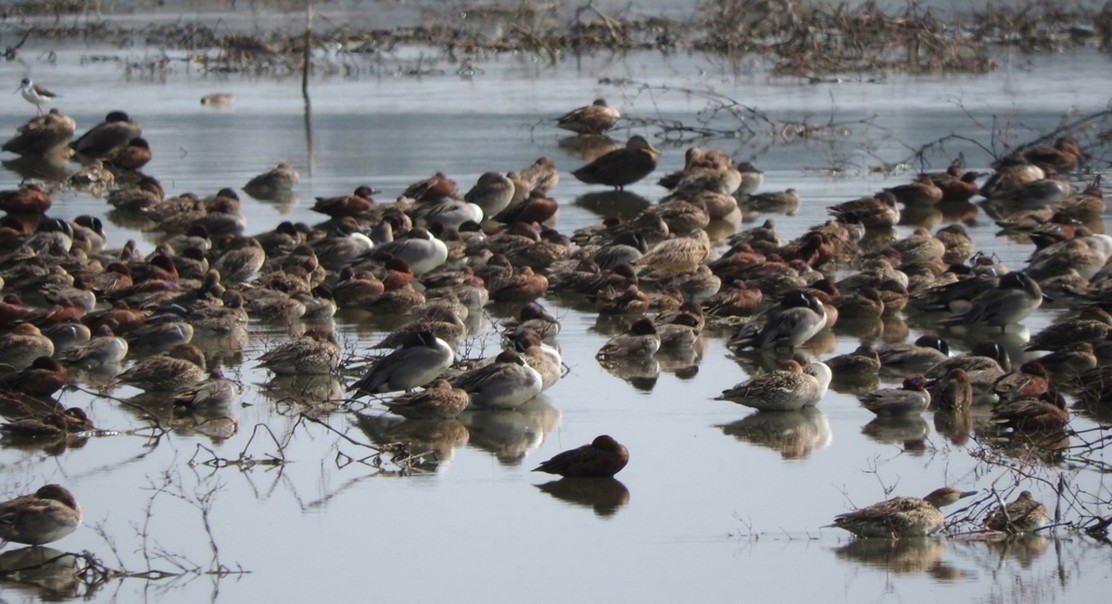
How bird type and diet impact waterbird populations
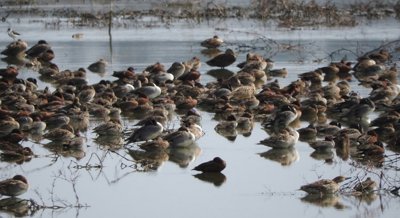
Waterbirds along the Caspian Sea show varying heavy metal levels in feathers, reflecting environmental pollution. Fish-eating birds had the highest concentrations of lead, cadmium, chromium, arsenic, and zinc, indicating food chain contamination.
 1st March, 2026
| Greg Howard
1st March, 2026
| Greg Howard
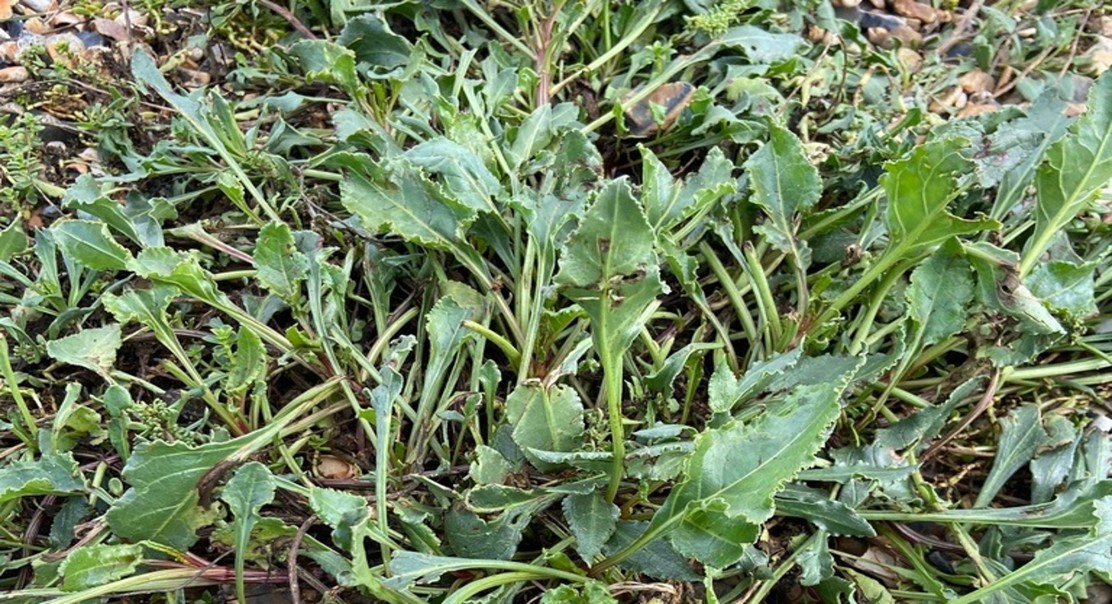
Predicting when sugar beets will flower early based on winter conditions
Climate change drives need for efficient irrigation. Research identified sugar beet hybrids suitable for autumn growing, reducing water use. Key is ‘bolting’ resistance—premature flowering reducing yield.
 28th February, 2026
| Jenn Hoskins
28th February, 2026
| Jenn Hoskins
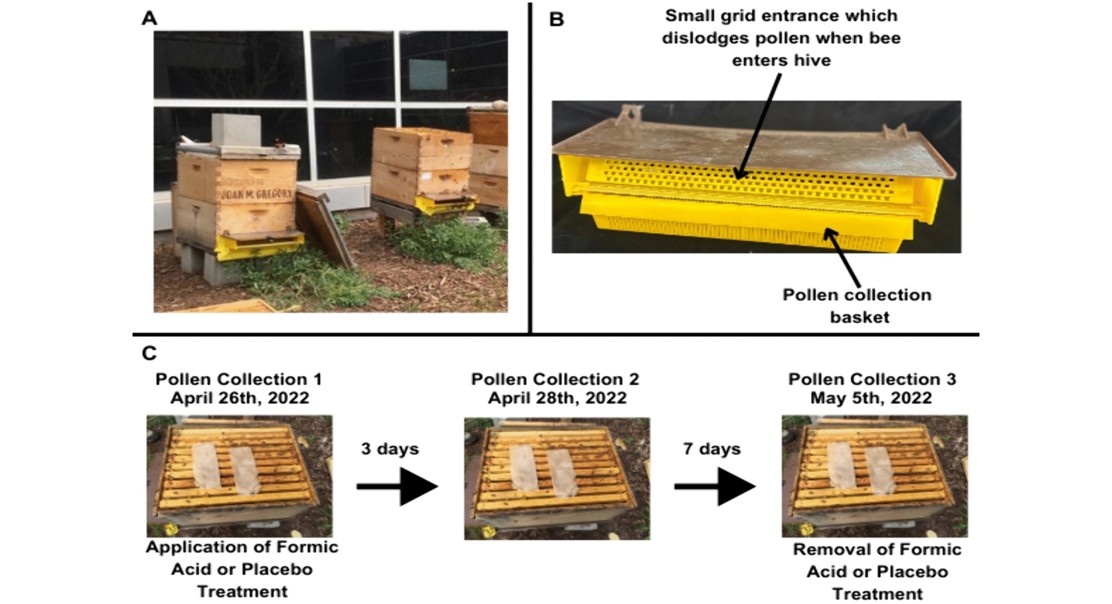
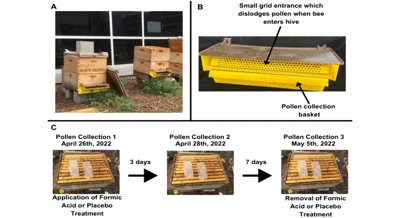
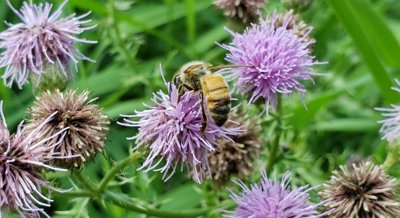
How formic acid affects honeybee foraging, revealed by advanced DNA analysis
Honeybee populations face decline due to Varroa mites. A new study examined if a common mite treatment, formic acid, impacts bee foraging. Results showed treated bees visited fewer plant types compared to untreated hives, though individual hive preferences varied.
 27th February, 2026
| Jenn Hoskins
27th February, 2026
| Jenn Hoskins
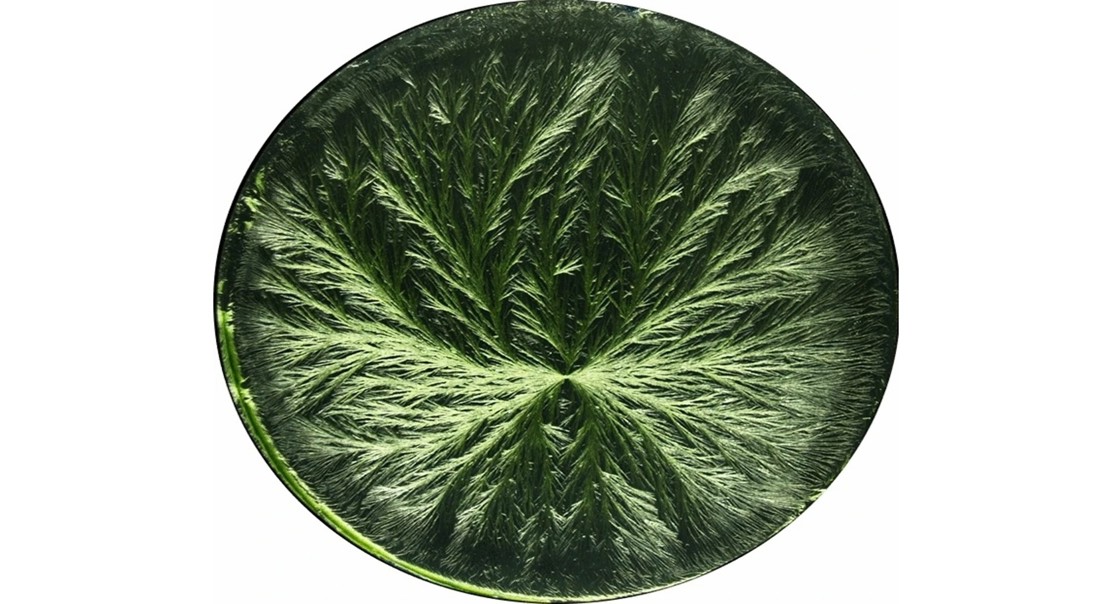
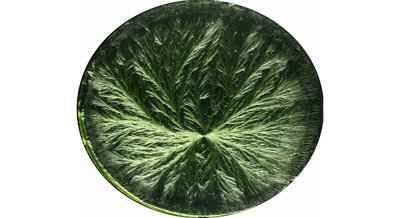
Copper chloride crystals help assess the quality of plant-based medicines
Herbal medicine quality control is challenging due to plant variation. Researchers tested a ‘fingerprinting’ method called copper chloride crystallisation (CCC) on mistletoe extracts, varying subspecies, host trees, & blending.
 27th February, 2026
| Jenn Hoskins
27th February, 2026
| Jenn Hoskins
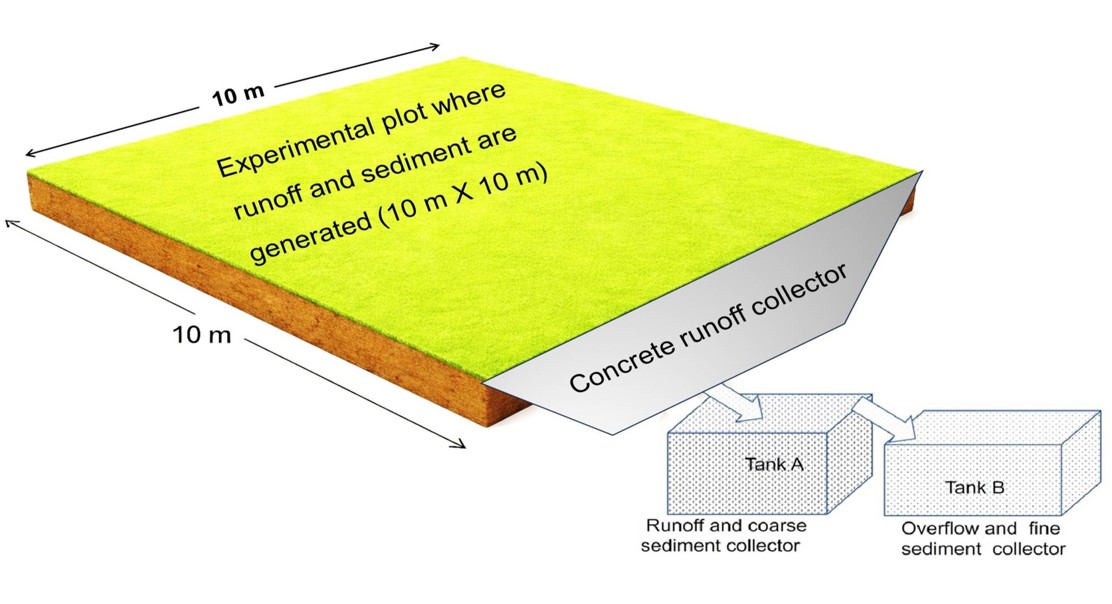
Sustainable farming practices improve soil health, water retention, and harvests
Ethiopian research shows farming methods minimizing soil disturbance & using plant residue (mulching) significantly improve soil health, water retention, & crop yields—maize up 48%, faba bean up to 321%.
 26th February, 2026
| Jim Crocker
26th February, 2026
| Jim Crocker
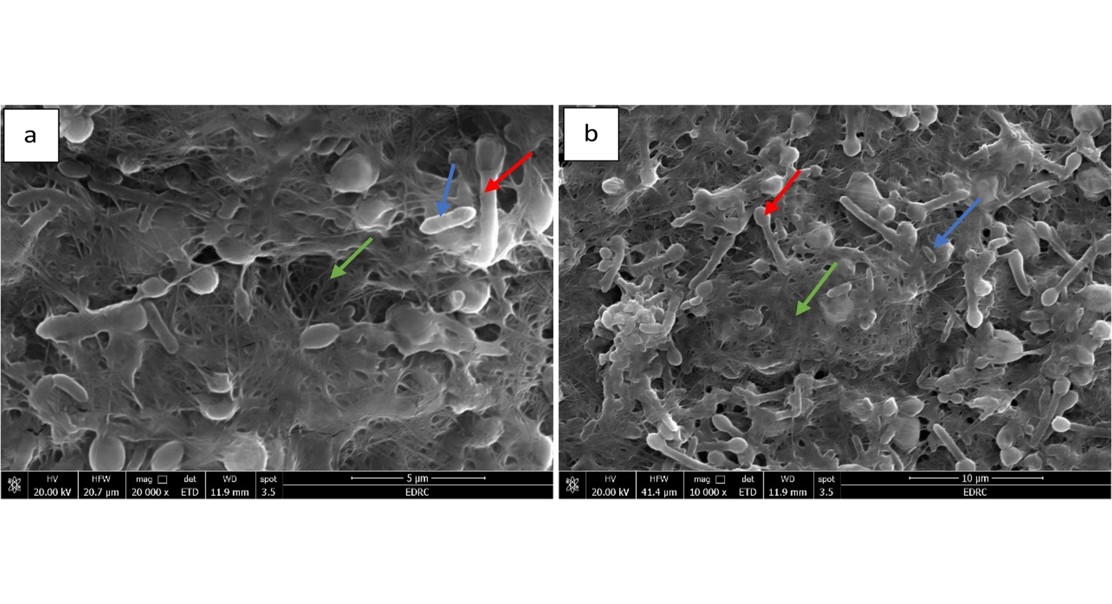
Boosting onion growth and soil health with beneficial microbes
Beneficial bacteria boost crop growth but struggle to survive in soil. New research shows embedding these bacteria in a natural polymer protects them, increasing onion yields by 45% vs controls & even beating free-cell application.
Herbs
Vegetables

Fruits
Medicine
Agriculture

Environment

Wildlife
Nutrition
Health
Fitness And Diet


Mental Health



Sustainability


Biotech
Genetics
Biochem
Ecology
Plant Science
Spices
Animal Science
Oceanography

Marine Biology
Mycology

Evolution
Historical Spotlight