How Schisandra Berry Helps Treat Depression and Nerve Pain: A Scientific Study

Greg Howard
21st July, 2024

How Schisandra Berry Helps Treat Depression and Nerve Pain: A Scientific Study

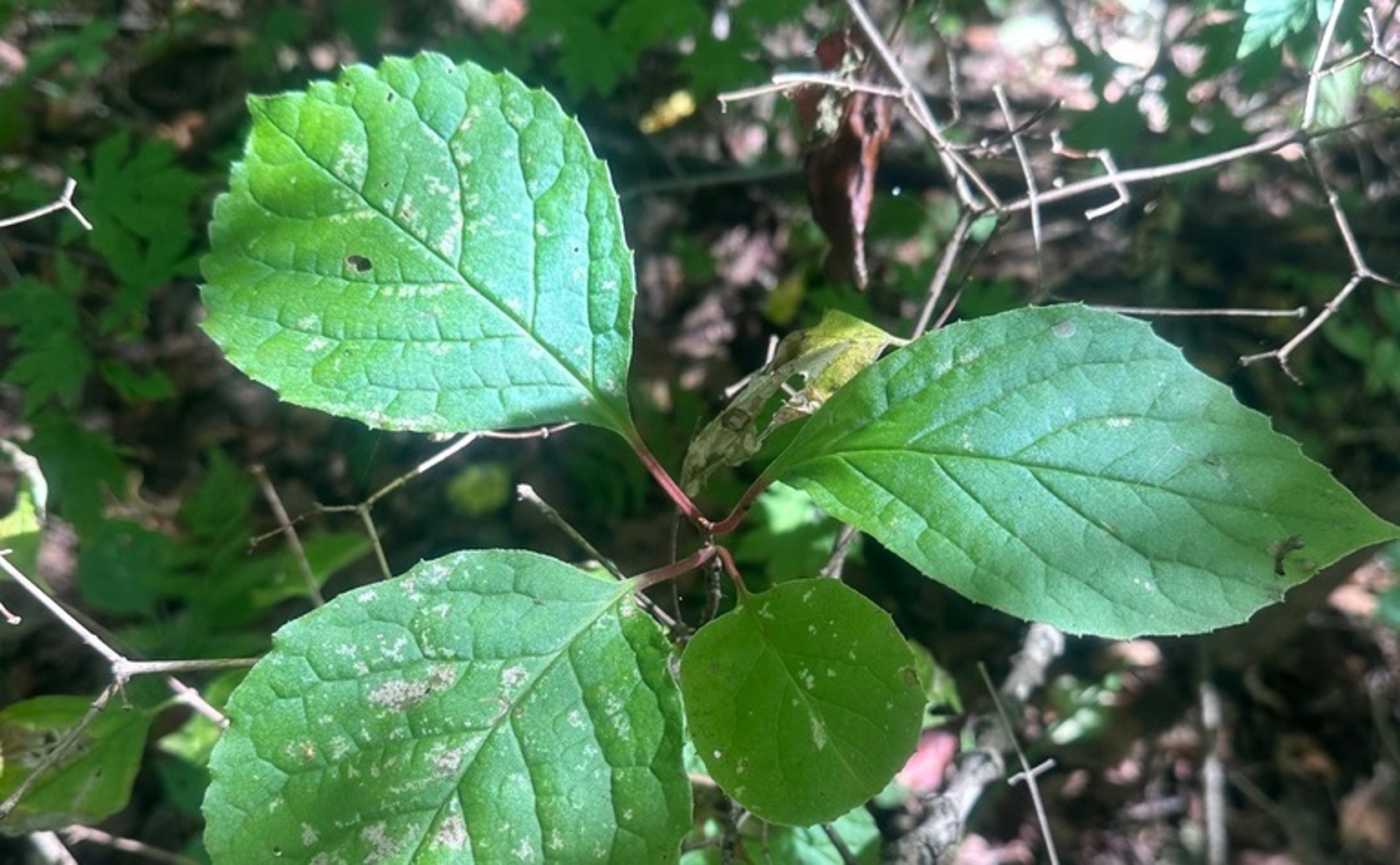
Chinese magnolia-vine (Schisandra chinensis)

Photo adapted from: Tatyana Petrenko / CC BY (Source)

Key Findings

  • Researchers from Hubei University of Medicine, Shiyan, China, studied Schisandra chinensis (SC) for treating neuropathic pain and depressive disorder
  • They identified seven bioactive components in SC that interact with key genes related to these conditions
  • These components may help reduce inflammation and promote nerve repair, potentially alleviating both pain and depressive symptoms
Neuropathic pain (NP) and depressive disorder (DD) are two debilitating conditions that often co-exist, complicating treatment and reducing quality of life. Traditional treatments have limited efficacy and can carry significant side effects. Recent research from Hubei University of Medicine, Shiyan, China, explores a novel therapeutic approach using Schisandra chinensis (SC), a traditional Chinese medicine known for its neuropsychological benefits, to manage NP/DD comorbidity[1]. The study utilized network pharmacology and molecular docking analyses to identify bioactive components of SC and their interactions with relevant target genes associated with NP/DD. Network pharmacology is a method that examines the interactions between drugs and multiple targets, while molecular docking is a technique used to predict the interaction between a drug and its target protein at the molecular level. This combined approach helps in understanding how multiple components of a drug can work together to exert therapeutic effects. Seven bioactive components of SC were identified: Longikaurin A, Deoxyharringtonine, Angeloylgomisin O, Schisandrin B, Gomisin A, Gomisin G, and Gomisin R. Among these, the first five were selected for detailed analysis. The study revealed that these components interact with a complex network of targets involved in NP/DD, including pathways related to tumor necrosis factor (TNF), vascular endothelial growth factor (VEGF), and other growth hormones (GH). The findings are significant as they provide a molecular basis for the therapeutic effects of SC in treating NP/DD. By regulating these pathways, the bioactive components of SC could potentially alleviate both neuropathic pain and depressive symptoms. This dual action is particularly beneficial given the interconnected nature of NP and DD, where chronic pain can exacerbate depressive symptoms and vice versa. Previous research has shown that imbalances in excitatory and inhibitory somatosensory signaling, alterations in ion channels, and variability in pain message modulation contribute to neuropathic pain[2]. The current study builds on this understanding by identifying specific molecular targets that SC components can modulate. For instance, the involvement of TNF and VEGF pathways suggests that SC may help in reducing inflammation and promoting nerve repair, which are crucial in managing neuropathic pain. Moreover, the study's use of molecular docking analysis to validate the therapeutic relevance of SC's active ingredients adds a layer of robustness to the findings. This method helps in predicting how well these components can bind to their target proteins, providing insights into their potential efficacy. The study also aligns with earlier findings on the importance of molecular pathways in disease management. For example, the PI3K/Akt signaling pathway has been shown to play a role in cell survival and communication, with implications for diseases like Alzheimer's[3]. Similarly, the current study highlights the importance of specific molecular pathways in the context of NP/DD, suggesting that targeting these pathways could be a viable therapeutic strategy. In terms of practical implications, these findings lay a solid foundation for future research aimed at developing novel therapeutic interventions for NP/DD. Understanding the molecular mechanisms underlying the effects of SC can guide the design of more effective treatments with fewer side effects. Additionally, the study underscores the potential of traditional medicines like SC in modern therapeutic approaches, offering a complementary strategy to conventional treatments. In conclusion, the research from Hubei University of Medicine provides valuable insights into the molecular mechanisms by which Schisandra chinensis can treat neuropathic pain and depressive disorder comorbidity. By identifying and validating the bioactive components of SC, the study opens new avenues for developing targeted therapies that can effectively manage these complex conditions. Further investigation is necessary to fully explore the therapeutic potential of SC, but the current findings offer a promising starting point for future research.

MedicineMental HealthBiochem

References

Main Study

1) Molecular mechanisms of Schisandra chinensis in treating depression-neuropathic pain comorbidity by network pharmacology and molecular docking analysis.

Published 18th July, 2024

https://doi.org/10.1016/j.neuroscience.2024.07.023


Related Studies


3) PS1 activates PI3K thus inhibiting GSK-3 activity and tau overphosphorylation: effects of FAD mutations.

Journal: The EMBO journal, Issue: Vol 23, Issue 13, Jul 2004


Related Articles

An unhandled error has occurred. Reload 🗙