
Mugwort and Barberry Show Promise Against Two Common Parasitic Infections
Jim Crocker
20th February, 2026


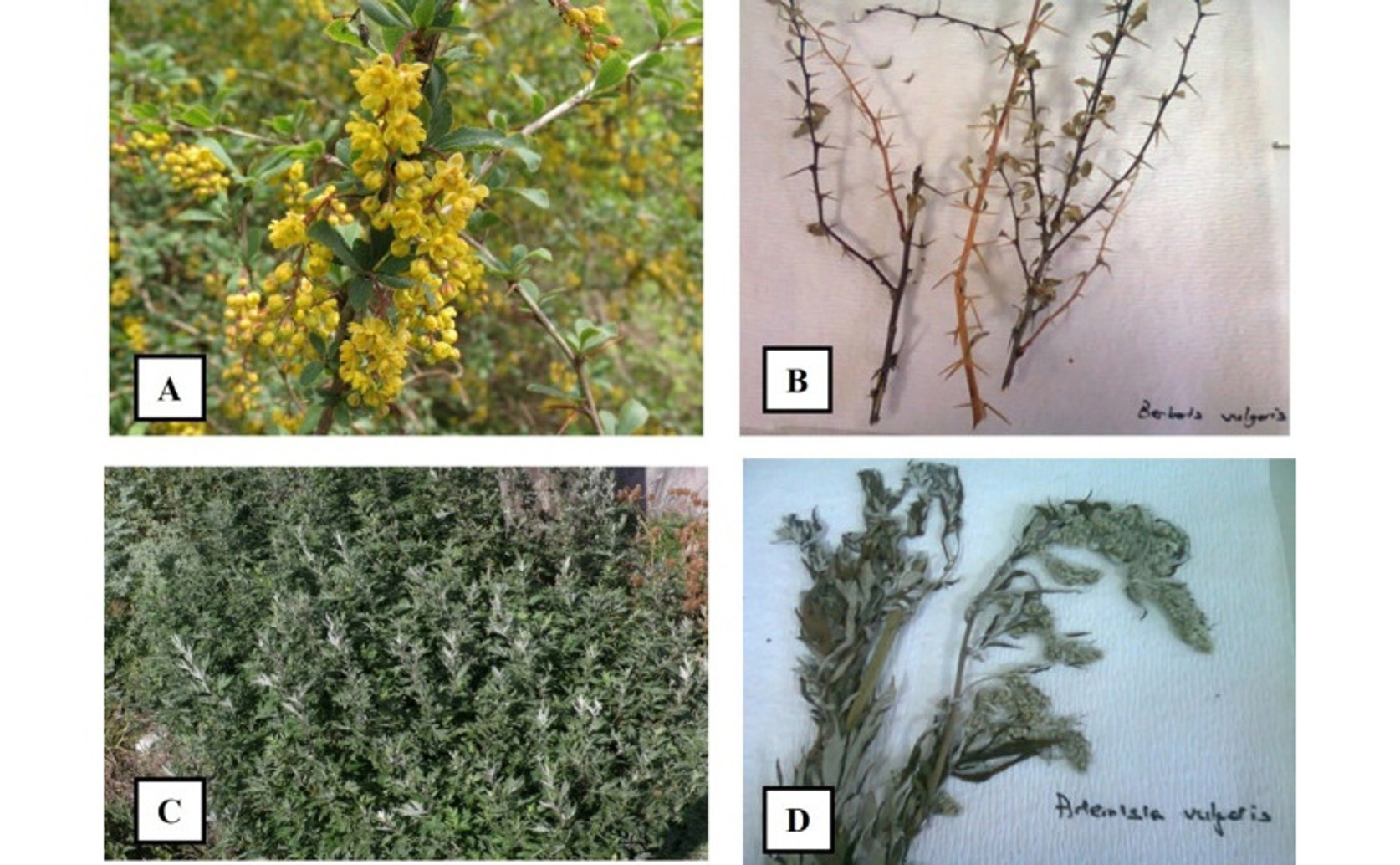
The morphological characteristics of the medicinal plants Berberis vulgaris (a, b) and Artemisia vulgaris (c, d) confirm the identity of the source material for the antiprotozoal extracts tested in this study.
Key Findings
- Extracts from Artemisia vulgaris and Berberis vulgaris, studied in Türkiye, showed activity against Leishmania major and Trichomonas vaginalis parasites
- Berberis vulgaris extract was more potent than Artemisia vulgaris, effectively reducing parasite numbers with relatively low toxicity to human cells
- Both plant extracts selectively killed parasites without significantly harming human immune cells, suggesting potential as drug candidates
References
Main Study
1) Antiprotozoal Activity of Artemisia vulgaris and Berberis vulgaris Against Leishmania major and Trichomonas vaginalis
Published 16th February, 2026
https://doi.org/10.1007/s11686-026-01224-1
Related Studies
2) 2-acylamino-5-nitro-1,3-thiazoles: preparation and in vitro bioevaluation against four neglected protozoan parasites.
3) In Vitro Testing of Trichomonas vaginalis Drug Susceptibility: Evaluation of Minimal Lethal Concentrations for Metronidazole and Tinidazole That Correspond With Treatment Failure.
4) Design, synthesis and in vitro antiprotozoal activity of benzimidazole-pentamidine hybrids.
Related Articles
 24th September, 2025 | Jim Crocker