Herbal remedies speed wound healing in lab studies

Jim Crocker
15th February, 2026

Herbal remedies speed wound healing in lab studies

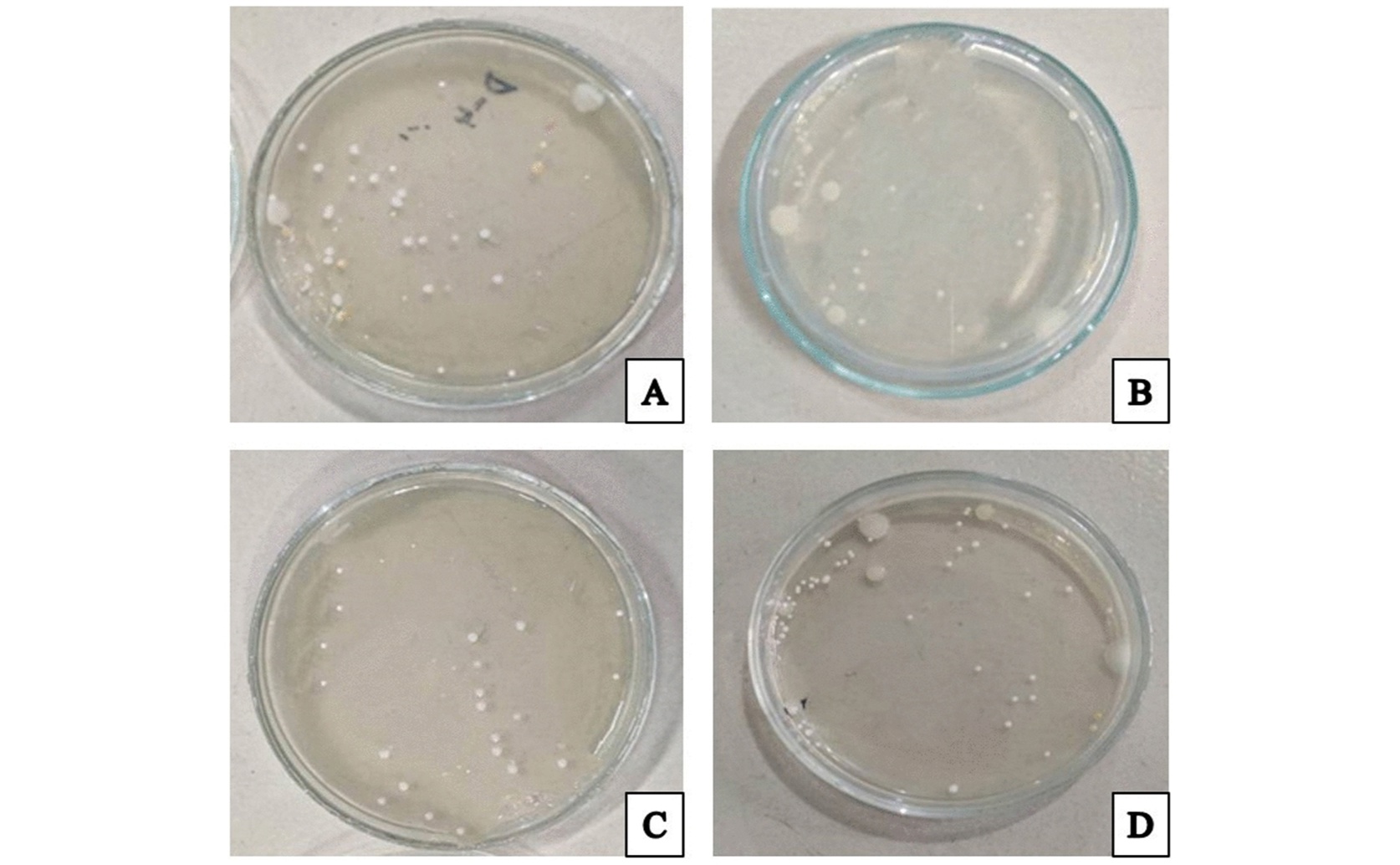
Cultures from wound swabs demonstrate the antibacterial efficacy of the herbal treatments studied, with the Mimosa pudica paste (A) showing the most significant reduction in bacterial colonies compared to the Cinnamomum verum paste (B), a mixture (C), and the control (D).

Image adapted from: Runa et al. / CC BY (Source)

Key Findings

  • This study, conducted in Bangladesh, investigated the effectiveness of Mimosa pudica (Lajjabati) and Cinnamomum verum (Daruchini) leaves on wound healing in rabbits
  • Mimosa pudica paste was most effective, showing less swelling and promoting faster tissue regeneration with hair follicle growth compared to other treatments
  • Cinnamomum verum paste induced more inflammation and slower healing, suggesting it may hinder the process despite some healing effect
Wound healing is a naturally occurring process, but often requires assistance, particularly when wounds are slow to close or become infected. Traditional remedies utilising plants have long been employed to aid this process, and modern research is increasingly validating their potential. A recent study conducted by researchers at Bangladesh Agricultural University and King Mongkut's University of Technology North Bangkok[1] investigated the effectiveness of Mimosa pudica (Lajjabati) and Cinnamomum verum (Daruchini) leaves in promoting wound healing in rabbits. The research addressed the need for effective wound care solutions, a problem highlighted by the increasing rates of chronic wounds and antibiotic resistance[2]. The study focused on two plants commonly used in traditional medicine, assessing their impact on wound contraction, tissue reaction, and bacterial presence. Sixteen rabbits were surgically wounded, with four groups receiving different treatments: Mimosa pudica paste, Cinnamomum verum paste, a combination of both, and a control group with no treatment. Researchers monitored the wounds over 21 days, observing morphological changes and collecting samples for both bacteriological and histopathological analysis. The results indicated that Mimosa pudica paste was the most effective treatment. Wounds treated with this paste exhibited significantly less swelling and elevation of the suture line compared to the other groups. Histopathological examination revealed that Mimosa pudica promoted normal tissue regeneration, with hair follicles beginning to grow as early as day 7. Crucially, this group also showed the lowest levels of bacterial colonies. Cinnamomum verum paste, while still showing some healing effect, induced more inflammation and tissue reaction, suggesting a slower healing process. These findings align with earlier research demonstrating the antimicrobial properties of various herbal pastes[3]. The study by[3] showed that both marigold and turmeric pastes reduced bacterial presence in sheep wounds, though marigold exhibited less tissue reaction. The Mimosa pudica paste in the current study appears to offer a similar benefit, with a more pronounced effect on reducing inflammation. The observed inflammation with Cinnamomum verum paste suggests that while it may possess some healing properties, it also triggers a more significant immune response, potentially hindering the healing process. The importance of collagen in wound healing, as detailed in[4], provides context for these observations. Collagen is the primary structural protein in the wound matrix, and its deposition and remodeling are critical for tissue repair. The reduced inflammation observed with Mimosa pudica could facilitate optimal collagen synthesis and organization, leading to faster and more effective wound closure. The study also highlights the complex interplay between wound pathophysiology and the body’s natural healing mechanisms, emphasizing the need to consider both the promotion of tissue regeneration and the control of inflammation. The researchers used morphological characteristics like wound contraction length and width as key indicators of healing progress. Bacterial colony counts were used to assess the antimicrobial effects of each treatment, while histopathological studies provided a detailed view of tissue changes at a microscopic level, including inflammation and the regeneration of skin structures. This multi-faceted approach allowed for a comprehensive evaluation of each plant’s therapeutic potential.

HerbsMedicineAgriculture

References

Main Study

1) Efficacy of Lajjabati (Mimosa pudica) and Daruchini (Cinnamomum verum) extracts on wound healing in rabbits

Published 13th February, 2026

https://doi.org/10.1371/journal.pone.0342449


Related Studies

2) Functional electrospun fibers for the treatment of human skin wounds.

https://doi.org/10.1016/j.ejpb.2017.07.001


3) Differential efficacies of marigold leaves and turmeric paste on the healing of the incised wound in sheep.

https://doi.org/10.5455/javar.2020.g477


4) Assessment and nutritional aspects of wound healing.

https://doi.org/10.1097/MCO.0b013e3282fbd35a


Related Articles

An unhandled error has occurred. Reload 🗙