Jujube seed may protect against liver damage in new study

Greg Howard
23rd February, 2026

Jujube seed may protect against liver damage in new study

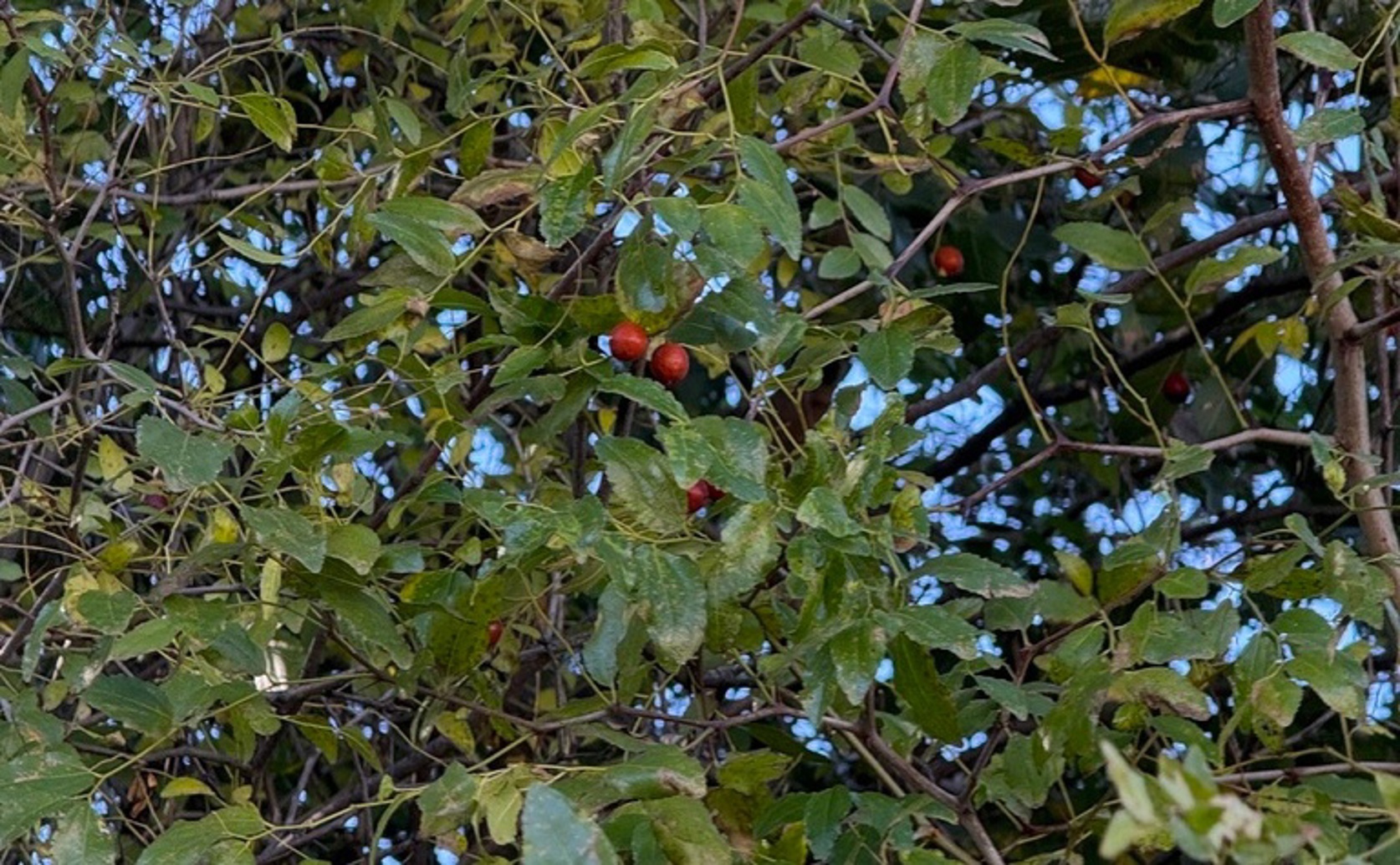
Jujube (Ziziphus jujuba)

Photo adapted from: Jane Charlen / CC BY (Source)

Key Findings

  • In rats with liver damage, Ziziphus jujuba (jujube) seed powder and oil improved liver function, reducing key damage indicators like ALT, AST, and bilirubin
  • The combination of jujube seed powder and oil provided the most substantial benefit, significantly lowering oxidative stress markers and restoring the liver’s natural defense mechanisms
  • Treatment with jujube seeds, especially the combination, helped normalize lipid levels, reduce inflammation, and improve overall health indicators like blood cell counts
Liver fibrosis represents a significant health challenge, stemming from chronic liver damage and leading to scarring, potentially culminating in cirrhosis and liver failure. A previous study [2] highlights liver biopsy as the current gold standard for diagnosis, but its invasive nature necessitates the development of non-invasive alternatives for monitoring disease progression. A key aspect of liver fibrosis is the excessive build-up of extracellular matrix, driven by the activation of hepatic stellate cells (HSCs)[3][4], and oxidative stress. Identifying effective treatments to reverse or halt this process is therefore critical. Researchers from Bahauddin Zakariya University and Foshan University recently investigated the potential of Ziziphus jujuba (jujube, or red date) seed powder and oil to combat liver fibrosis induced by carbon tetrachloride (CCl4)[1]. CCl4 is a common chemical used in laboratory settings to create a model of liver damage in animals, mimicking the effects of chronic liver disease. The study aimed to determine if these components, used individually or in combination, could alleviate the damage. The researchers began by analyzing the chemical composition of the jujube seed powder and oil. They found both contained significant antioxidant activity, meaning they could neutralize harmful molecules that contribute to cell damage. Specifically, the ethanol extract of the seed powder demonstrated a high phenolic content, indicating the presence of compounds known for their health benefits. Gas chromatography–mass spectrometry (GC–MS) revealed key bioactive compounds in both the powder and oil, including derivatives of 1,4-benzenedicarboxylic acid, hexanedioic acid bis(2-ethylhexyl) ester, and oleic acid. To assess effectiveness, the researchers induced liver fibrosis in animals using CCl4. This resulted in elevated levels of liver enzymes (ALT, AST, ALP) and bilirubin in the bloodstream – indicators of liver cell damage. They then administered the jujube seed powder, oil, or a combination of both to different groups of animals, comparing the results to a control group receiving no treatment. The results showed that all treatment groups experienced improvements in liver function, but the combination of seed powder and oil (Group 4) had the most substantial effect. This group exhibited significant reductions in ALT, AST, ALP, and bilirubin levels, suggesting a protective effect on the liver. Furthermore, the researchers observed a reduction in oxidative stress markers like MDA and NOx, alongside increased activity of antioxidant enzymes SOD and catalase. This indicates that the jujube components helped to restore the liver’s natural defense mechanisms against damaging molecules. Beyond liver function and oxidative stress, the study also examined lipid profiles, inflammatory markers, and overall health indicators. Animals treated with jujube seed powder and oil showed normalized lipid levels, reduced levels of pro-inflammatory cytokines TNF-α and IL-6, and improvements in blood cell counts, feed intake, and serum protein levels. These findings point to a broad-spectrum beneficial effect, addressing multiple facets of liver damage. The activation of hepatic stellate cells (HSCs) is central to the progression of liver fibrosis[3][4], and the observed improvements in inflammatory markers and extracellular matrix accumulation suggest that the jujube components may be influencing HSC activity. While [5] notes nanomaterial-based therapies are emerging as a potential treatment route, the current study demonstrates that naturally occurring compounds like those found in Z. jujuba seeds may offer a viable alternative. The synergistic effect observed with the combination of powder and oil suggests that different compounds within the seed contribute to the overall anti-fibrotic and hepatoprotective properties. However, the researchers acknowledge that further investigation is needed. The study did not delve into the specific histological changes within the liver tissue, nor did it fully elucidate the molecular pathways responsible for the observed effects. These steps are crucial for understanding the precise mechanisms of action and paving the way for potential clinical applications.

HerbsHealthBiochem

References

Main Study

1) Integrating phytochemical analysis and experimental validation of Ziziphus jujuba seed powder and oil to ameliorate CCl4-induced liver fibrosis in sprague dawley rats

Published 20th February, 2026

https://doi.org/10.1371/journal.pone.0343428


Related Studies

2) Noninvasive tests for liver fibrosis in 2024: are there different scales for different diseases?

https://doi.org/10.1093/gastro/goae024


3) Hepatic stellate cells in physiology and pathology.

https://doi.org/10.1113/JP281061


4) Signaling pathways that activate hepatic stellate cells during liver fibrosis.

https://doi.org/10.3389/fmed.2024.1454980


5) Liver fibrosis: pathological features, clinical treatment and application of therapeutic nanoagents.

https://doi.org/10.1039/d3tb02790b


Related Articles

An unhandled error has occurred. Reload 🗙