Chrysanthemum petals show promise for protecting eyes, study reveals

Jim Crocker
12th February, 2026

Chrysanthemum petals show promise for protecting eyes, study reveals

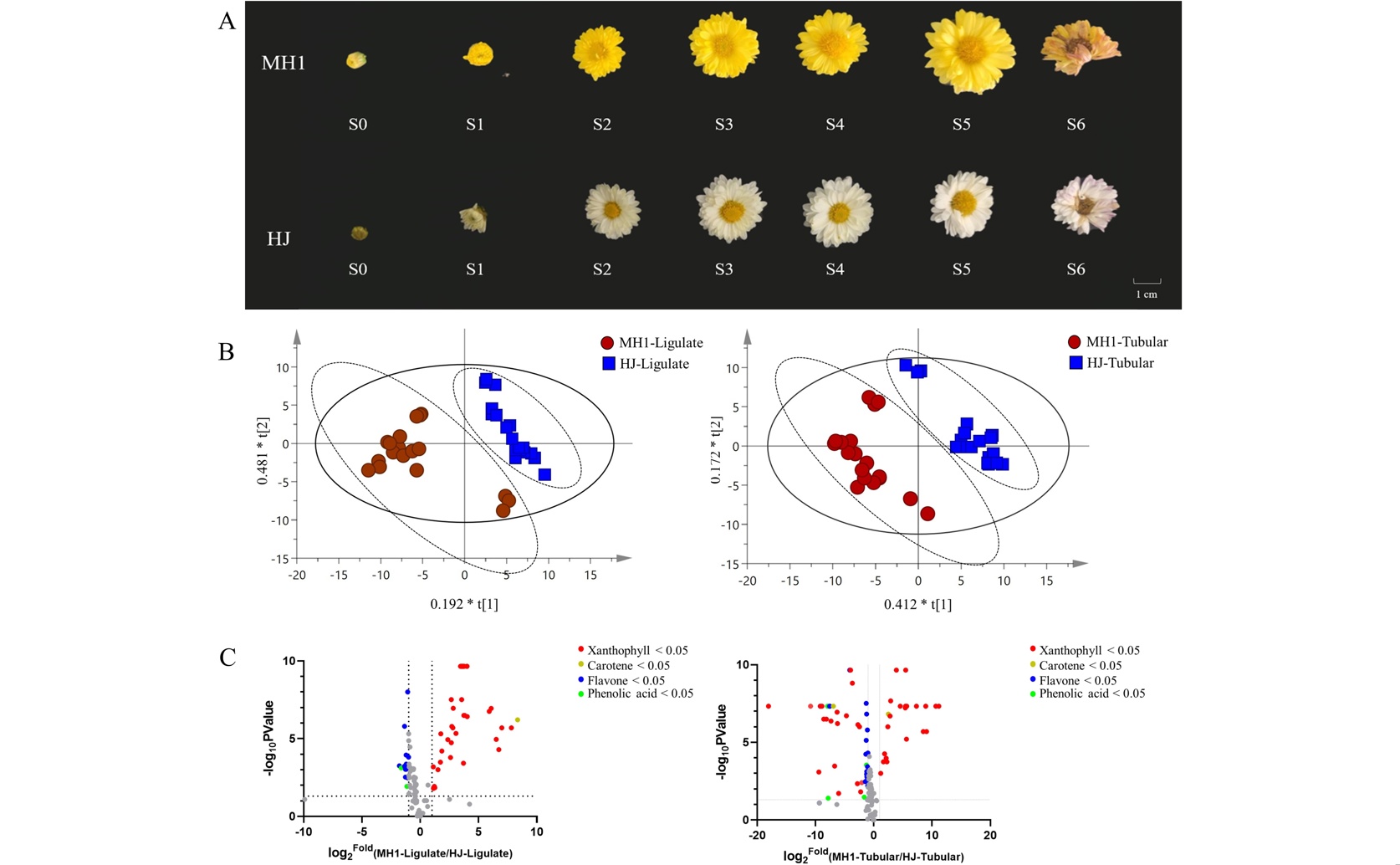
The new yellow Chrysanthemum morifolium cultivar MH1 is visually distinct from the white control cultivar HJ throughout its growth stages (a), a difference attributed to a unique metabolic profile characterized by significantly higher levels of xanthophylls and carotenes (b, c).

Image adapted from: Wang et al. / CC BY (Source)

Key Findings

  • A new chrysanthemum variety, MH1, cultivated in China, shows promise for eye health due to its unique chemical composition
  • MH1 flowers contain significantly higher levels of lutein and other xanthophylls compared to a standard variety, HJ, suggesting these compounds are key to its beneficial effects
  • Chrysanthemum extract from MH1 effectively prevented cell death and retinopathy in zebrafish models, demonstrating direct protective effects against eye damage
Chrysanthemum flowers are economically important globally, valued both as ornamental plants and for their potential health benefits. While traditionally used in teas and herbal remedies, a full understanding of the specific compounds responsible for these benefits, particularly concerning eye health, has been lacking. Research from the China Academy of Chinese Medical Sciences, Amway Botanical R&D Centre[1], sought to address this gap by comprehensively analyzing the chemical composition of chrysanthemum petals and evaluating their protective effects against eye damage. The study involved a detailed chemical analysis of chrysanthemum petals using a technique called metabolomics. This approach allows scientists to identify and quantify a wide range of metabolites – the small molecules that are the building blocks of life – present within a sample. The researchers identified 58 polyphenols and 65 xanthophylls, two broad classes of compounds known for their antioxidant and potential health-promoting properties. Importantly, they found that certain carotenoids – pigments responsible for the yellow and orange colours in many fruits and vegetables – were particularly abundant in both ligulate (ray) and tubular flowers of the chrysanthemum. These included β-cryptoxanthin, lutein stearate, lutein distearate, lutein dioleate, and lutein oleate, and their levels remained consistently high throughout the flower’s development stages. This finding builds upon earlier work which demonstrated that chrysanthemum flavonoids, including luteolin and luteoloside, possess hypolipidemic (cholesterol-lowering) activity[2]. While that study focused on metabolic effects, it highlighted the presence of beneficial compounds within chrysanthemum extracts. The current research expands on this by pinpointing specific carotenoids as key constituents. The consistent presence of these carotenoids throughout flower development suggests they may be responsible for a range of biological activities. The researchers didn't stop at simply identifying the compounds; they also tested the biological activity of an extract from a novel chrysanthemum cultivar. They found that at a concentration of 62.5 μg/mL, the extract was significantly more effective at preventing cell death (anti-apoptotic effects) than glutathione, a commonly used antioxidant. This is a crucial finding, as preventing cell death is a key mechanism in protecting against various diseases, including those affecting the eyes. Further testing showed the extract effectively prevented retinopathy – damage to the retina of the eye – at various concentrations. Interestingly, previous studies have also identified variations in chemical composition between different chrysanthemum varieties[3]. This research highlighted that the contents of phenolic acids and flavonoids can differ significantly, with some varieties, like Tongchengju (TCJ), exhibiting superior antioxidant activity in H2O2-induced hepatocyte injury testing. The current study, while not focusing on variety-specific differences, underscores the importance of identifying and characterizing the chemical profiles of different cultivars to maximize their potential health benefits. The identification of specific carotenoids in now provides a more targeted approach for screening and selecting chrysanthemum varieties with enhanced eye-protective properties. Furthermore, the study's focus on the mechanism of action – understanding how the chrysanthemum extract protects the eyes – is significant. By demonstrating anti-apoptotic effects and prevention of retinopathy, researchers are beginning to unravel the biological pathways involved. This is supported by[2] which showed that chrysanthemum flavonoids improved antioxidant activity and regulated enzymes involved in lipid metabolism, suggesting a complex interplay of mechanisms contributing to their overall health benefits. The current study builds on this by providing evidence of direct protective effects against eye damage. The researchers also noted that the compound content varied across developmental stages and tissues. This suggests that the optimal time to harvest chrysanthemum flowers for maximum eye-protective benefit may depend on the specific compounds being targeted. The analysis of flavonoids and caffeoylquinic acids in[4] also showed that extraction methods can influence the concentration of these compounds, further emphasizing the importance of optimizing processing techniques to preserve their activity.

HerbsNutritionHealth

References

Main Study

1) Integrated metabolomics and bioactivity analysis of new chrysanthemum cultivar petals: Insights into eye-protecting agents

Published 9th February, 2026

https://doi.org/10.1371/journal.pone.0340052


Related Studies

2) Hypolipidemic Effects and Preliminary Mechanism of Chrysanthemum Flavonoids, Its Main Components Luteolin and Luteoloside in Hyperlipidemia Rats.

https://doi.org/10.3390/antiox10081309


3) Comparison of Chemical Constituents and Pharmacological Effects of Different Varieties of Chrysanthemum Flos in China.

https://doi.org/10.1002/cbdv.202100206


4) Flavonoids and caffeoylquinic acids in Chrysanthemum morifolium Ramat flowers: A potentially rich source of bioactive compounds.

https://doi.org/10.1016/j.foodchem.2020.128733


Related Articles

An unhandled error has occurred. Reload 🗙