Siler Root's Anti-Aging Secrets Revealed

Greg Howard
21st August, 2025

Siler Root's Anti-Aging Secrets Revealed

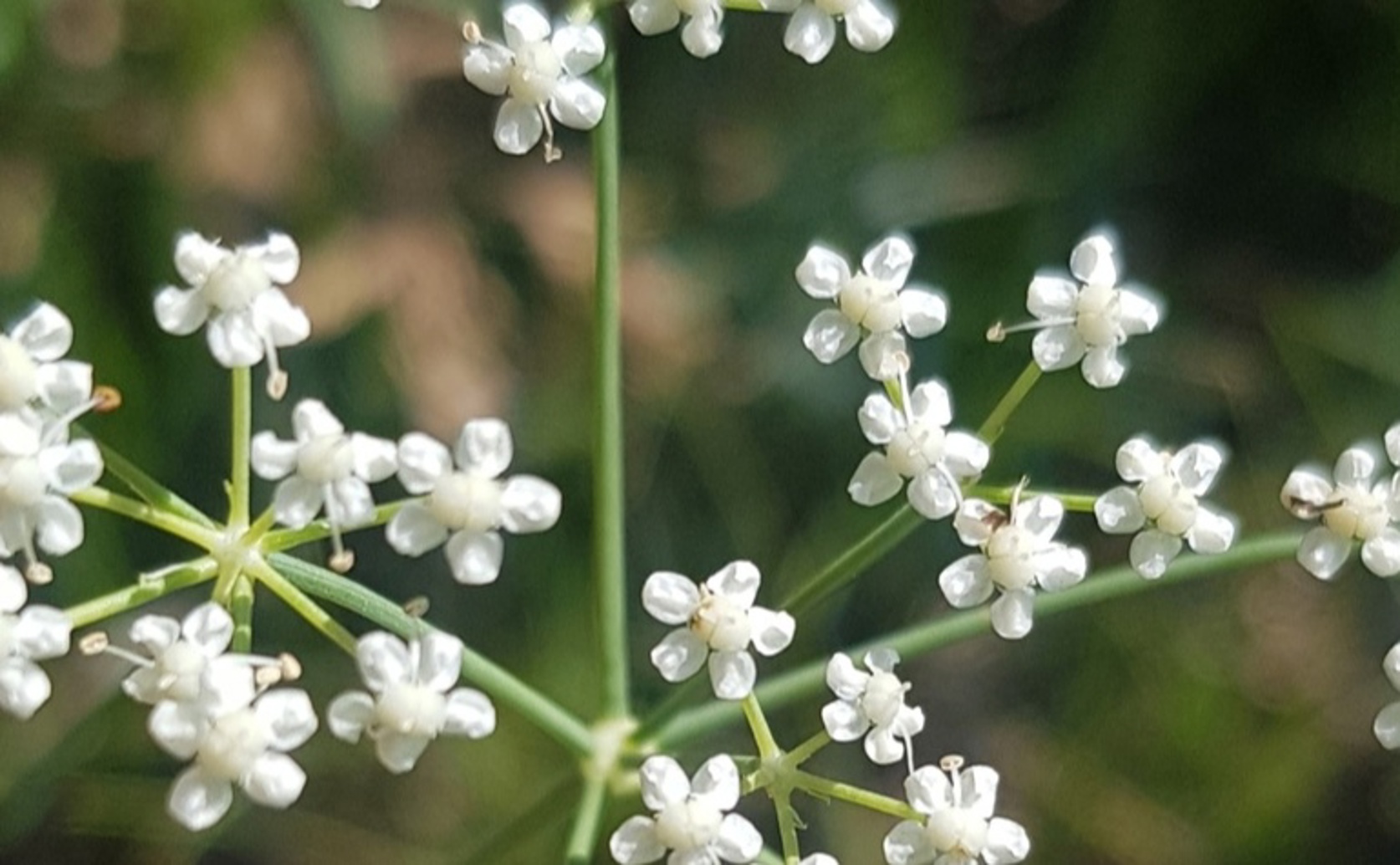
This study demonstrates that extracts from Saposhnikovia divaricata significantly extend the lifespan and healthspan of Drosophila melanogaster by modulating critical metabolic pathways associated with energy homeostasis and oxidative stress reduction.

Photo adapted from: Urgamal Magsar / CC BY (Source)

Key Findings

  • Researchers at Heilongjiang University and Baylor College of Medicine found that Fangfeng, a traditional herb, significantly extended the lifespan of fruit flies
  • Using advanced techniques, the study revealed Fangfeng works by improving key metabolic processes in flies, especially those related to energy and fighting cell damage
  • Specifically, the herb boosted the flies' ability to combat harmful oxidative stress, a major factor in aging, confirming its protective effects
Aging is a complex biological process characterized by a gradual decline in the body's functions and an increased susceptibility to various diseases. While global life expectancies are rising, a significant challenge remains: ensuring these extended years are lived in good health, a concept known as healthspan[2]. Researchers are actively seeking interventions to mitigate the negative effects of aging, focusing on key molecular pathways like insulin-like signaling, mTOR, and sirtuins. Simultaneously, traditional medicinal herbs are gaining attention for their potential to influence these very pathways. However, a comprehensive understanding of how these herbs globally affect multiple aging-related metabolic processes has been largely missing. A recent study conducted by researchers at Heilongjiang University of Chinese Medicine and Baylor College of Medicine[1] aimed to bridge this gap by investigating the anti-aging and antioxidant properties of Radix Saposhnikoviae, commonly known as Fangfeng. This research utilized Drosophila melanogaster, or fruit flies, as a model organism. Fruit flies are a valuable tool in aging research because they share many fundamental biological processes with humans, including key aging pathways, and have a relatively short lifespan, allowing for rapid study of interventions[3]. The study's approach involved feeding different preparations of Fangfeng to Drosophila. The findings revealed that these preparations significantly extended the lifespan of the fruit flies, though to varying degrees. To understand the underlying mechanisms, the researchers employed Nuclear Magnetic Resonance (NMR) metabolomics. This advanced technique allows scientists to identify and measure a wide range of small molecules, called metabolites, within a biological sample. Metabolites are the end products of cellular processes, so analyzing them provides a comprehensive snapshot of an organism's metabolic state. By comparing the metabolic profiles of treated and untreated flies, the team could pinpoint which biochemical pathways were influenced by Fangfeng. The metabolomic analysis uncovered that Fangfeng modulated several key metabolic pathways closely associated with aging. These included pathways related to energy metabolism, the response to oxidative stress, lipid metabolism, protein homeostasis, and inflammatory processes. The most significant effects were observed in pathways involved in oxidative stress and energy homeostasis, both of which are central to the aging process. Oxidative stress occurs when there is an imbalance between the production of reactive oxygen species (harmful molecules) and the body's ability to detoxify them, leading to cellular damage. Energy metabolism, on the other hand, refers to the processes by which cells generate and use energy, largely driven by mitochondria, which are often referred to as the powerhouses of the cell. Efficient mitochondrial function is crucial for healthy aging and maintaining healthspan[2]. The study's findings provide a scientific basis for integrating traditional herbal medicine into modern anti-aging strategies. By demonstrating Fangfeng's ability to modulate multiple aging-related pathways, the research expands our understanding of its potential benefits. For instance, the observed effects on energy metabolism could be linked to the vital role of molecules like Nicotinamide adenine dinucleotide (NAD+)[4]. NAD+ is a coenzyme essential for energy production and is known to decline with age. This decline is causally linked to many age-related diseases, and restoring NAD+ levels has emerged as a promising therapeutic approach to extend healthspan and lifespan[4]. While the study didn't directly measure NAD+ levels, its impact on energy metabolism suggests a potential indirect influence on these critical pathways, including those involving sirtuins, which are NAD+-dependent enzymes that play a role in healthy aging[4]. Furthermore, the modulation of insulin-like signaling by Fangfeng is particularly noteworthy. Research in other model organisms, such as the worm Caenorhabditis elegans, has shown that even minor changes in this pathway can dramatically extend lifespan, with the intestine playing a surprisingly major role in this regulation[5]. This highlights how fundamental metabolic shifts, potentially influenced by substances like Fangfeng, can have profound effects on longevity. The current study, by using Drosophila and deep metabolic profiling, reinforces the idea that aging is a modifiable biological process, a core tenet of geroscience[3]. It provides concrete evidence of how a natural compound can influence the same fundamental processes identified in other animal models, paving the way for future translational research aimed at improving human health and extending the period of healthy living.

HerbsHealthBiochem

References

Main Study

1) Unveiling the anti-aging of radix saposhnikoviae: A metabolomic study in Drosophila

Published 20th August, 2025

https://doi.org/10.1371/journal.pone.0330274


Related Studies

2) Unlocking the biochemical secrets of longevity: balancing healthspan and lifespan.

https://doi.org/10.1002/1873-3468.14963


3) Animal Models Relevant for Geroscience: Current Trends and Future Perspectives in Biomarkers, and Measures of Biological Aging.

https://doi.org/10.1093/gerona/glae135


4) NAD+ metabolism and its roles in cellular processes during ageing.

https://doi.org/10.1038/s41580-020-00313-x


5) Intestine-specific removal of DAF-2 nearly doubles lifespan in Caenorhabditis elegans with little fitness cost.

https://doi.org/10.1038/s41467-022-33850-4


Related Articles

An unhandled error has occurred. Reload 🗙