Betel nut extract shows promise in controlling mosquito development

Jim Crocker
4th February, 2026

Betel nut extract shows promise in controlling mosquito development

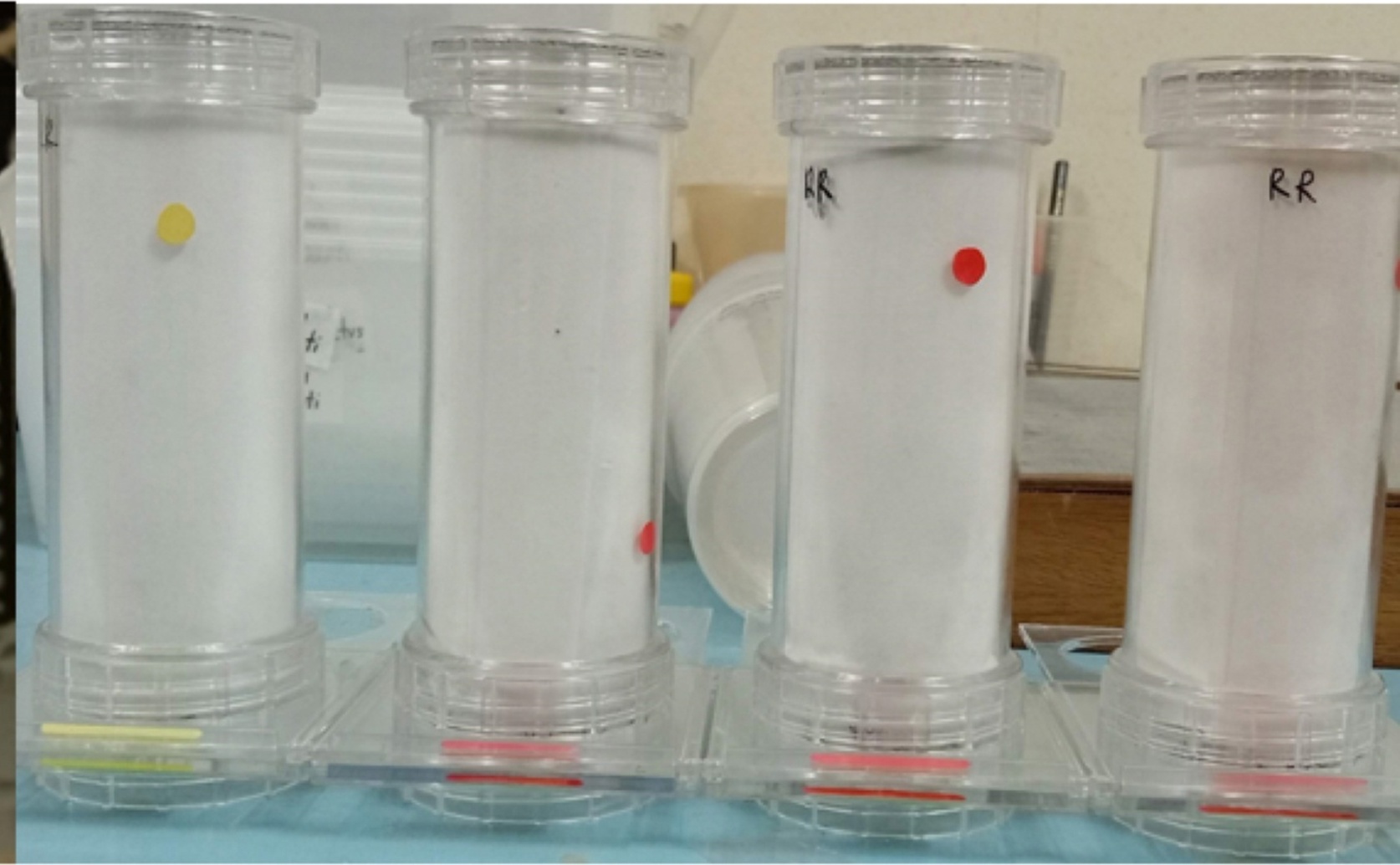
Preparation and application of treated filter papers for adulticidal bioassays using A. catechu nut extract.

Image adapted from: Rahman et al. / CC BY (Source)

Key Findings

  • In Malaysia, research showed Areca catechu nut extract effectively kills both Aedes aegypti and Aedes albopictus mosquitoes in lab tests
  • The extract prevents Aedes mosquitoes from laying eggs, even at relatively low concentrations, and also kills mosquito eggs
  • Key compounds in the extract, arecoline, arecaidine, and N-lauryldiethanolamine, disrupt the nervous system and enzyme activity in insects, explaining its insecticidal effect
Mosquito-borne diseases, such as dengue fever, Zika virus, and chikungunya, pose a significant global health threat. Controlling the mosquito populations that transmit these diseases is a constant challenge, primarily due to the development of insecticide resistance and growing concerns about the environmental impact of conventional chemical control methods[2]. Traditional strategies, including chemical insecticides, biological control agents, and pharmaceutical interventions, are increasingly hampered by these issues. This necessitates the exploration of novel, eco-friendly, and sustainable vector control approaches. Researchers at Universiti Malaya and Universiti Sains Malaysia recently investigated the potential of areca catechu nut extract as a bioinsecticide against two primary Aedes mosquito species, Aedes aegypti and Aedes albopictus[1]. Aedes aegypti is a particularly important vector, responsible for transmitting dengue, Zika, chikungunya, and yellow fever viruses[3]. The study aimed to assess the extract’s effectiveness at killing adult mosquitoes, preventing eggs from hatching, and deterring mosquitoes from laying eggs. The research team conducted a series of laboratory tests using methods established by the World Health Organization. These tests involved exposing mosquitoes to varying concentrations of a methanol-based extract derived from areca catechu nuts. The results demonstrated a clear dose-dependent effect: as the concentration of the extract increased, the mortality rate of both Ae. aegypti and Ae. albopictus also increased. Specifically, the LC50 – the concentration required to kill 50% of the mosquito population – was determined to be 767.501 ppm for Ae. aegypti and 758.278 ppm for Ae. albopictus. Beyond adult mortality, the extract also exhibited strong ovicidal activity, meaning it effectively killed mosquito eggs. Complete egg mortality was achieved at concentrations of 1600 ppm for Ae. aegypti and 1400 ppm for Ae. albopictus. Furthermore, the extract proved to be an effective oviposition deterrent, preventing female mosquitoes from laying eggs even at lower concentrations of 900 ppm in both choice and non-choice scenarios. Observations confirmed this deterrent effect, with gravid (pregnant) female mosquitoes actively avoiding surfaces treated with the extract, even when no alternative egg-laying sites were available. Understanding mosquito behaviour is crucial for effective control. A study conducted in Sri Lanka highlighted that a significant proportion of Aedes mosquito breeding sites are artificial containers[4], meaning that targeted interventions focusing on these habitats are essential. While larvicides are often used to control mosquito larvae, this approach may only address a limited portion of breeding grounds (around 20%), as the majority are artificial[4]. The research team further analysed the chemical composition of the areca catechu nut extract using liquid chromatography–mass spectrometry. This identified arecoline, arecaidine, and N-lauryldiethanolamine as key bioactive constituents. These compounds are known to interfere with the nervous system and detoxification enzymes of insects, providing a potential explanation for the extract’s insecticidal activity. The findings from support the potential of plant-derived compounds, such as those found in areca catechu nuts, as sustainable alternatives to conventional insecticides. The broad-spectrum efficacy observed across multiple mosquito life stages and behavioural endpoints – adult mortality, ovicidal activity, and oviposition deterrence – makes this extract a promising candidate for inclusion in integrated vector control programs. The use of plant extracts aligns with the growing interest in “green synthesis” of nanoparticles for mosquito control[2], offering an eco-friendly and biodegradable approach that minimizes reliance on toxic chemicals.

HerbsMedicineAgriculture

References

Main Study

1) Insecticidal potential of Areca catechu nut extract against multiple life stages of Aedes aegypti and Aedes albopictus

Published 2nd February, 2026

https://doi.org/10.1371/journal.pone.0341897


Related Studies

2) Mosquito-Borne Diseases and Their Control Strategies: An Overview Focused on Green Synthesized Plant-Based Metallic Nanoparticles.

https://doi.org/10.3390/insects14030221


3) Proliferation of Aedes aegypti in urban environments mediated by the availability of key aquatic habitats.

https://doi.org/10.1038/s41598-020-69759-5


4) Bionomic aspects of dengue vectors Aedes aegypti and Aedes albopictus at domestic settings in urban, suburban and rural areas in Gampaha District, Western Province of Sri Lanka.

https://doi.org/10.1186/s13071-022-05261-3


Related Articles

An unhandled error has occurred. Reload 🗙