Predicting when sugar beets will flower early based on winter conditions

Greg Howard
1st March, 2026

Predicting when sugar beets will flower early based on winter conditions

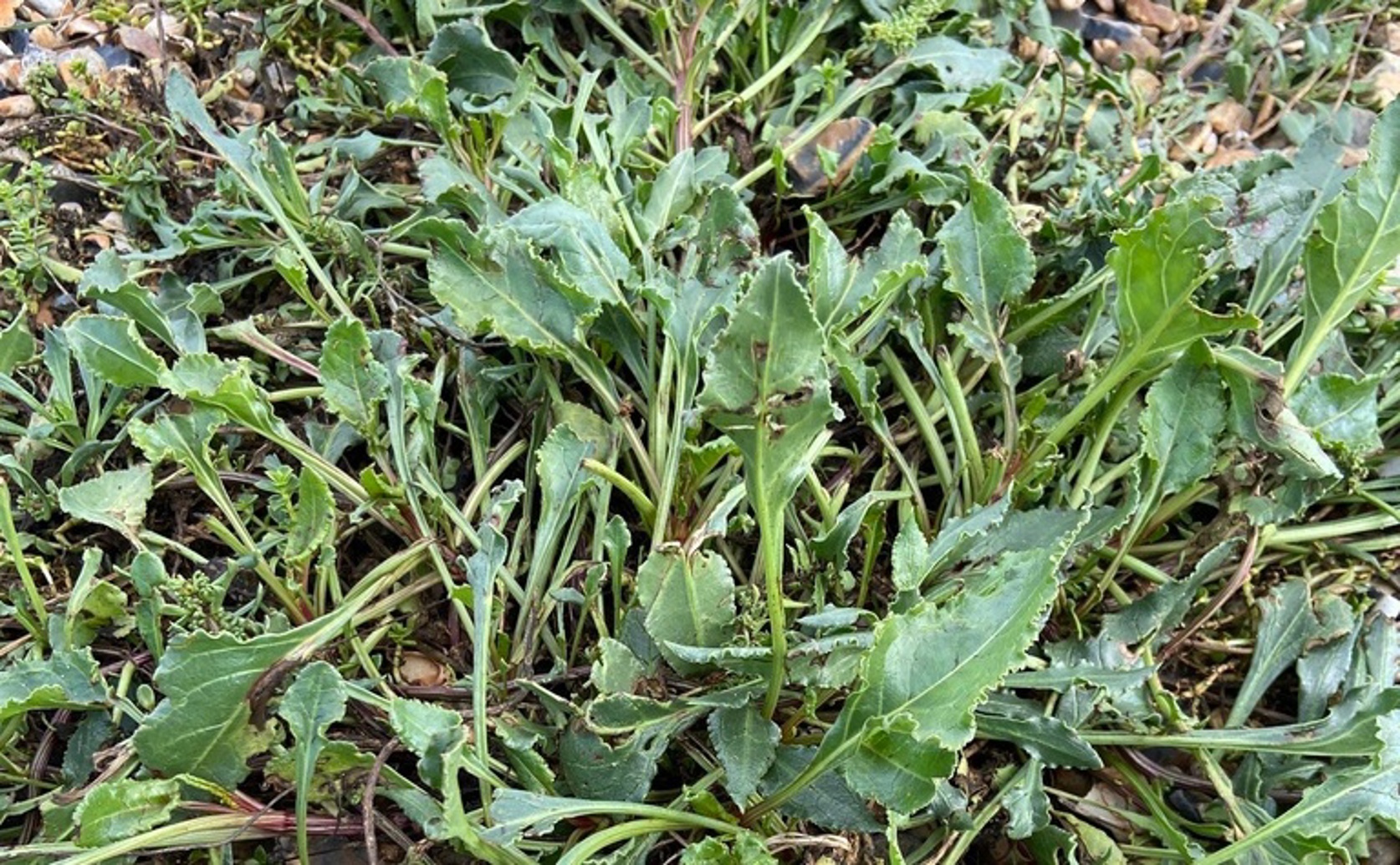
Sugar beet (Beta vulgaris)

Photo adapted from: Simon Colenutt / CC BY (Source)

Key Findings

  • In Iran, researchers studied sugar beet hybrids to improve autumn cultivation, aiming to reduce irrigation needs
  • Some hybrids, like BOL435 and BOL434, showed high resistance to premature flowering (bolting) and were more reliable choices for unpredictable winters
  • Identifying hybrids suited to specific growing conditions is crucial, as environmental factors significantly impact yield and performance
Climate change is increasing the demand for efficient water use in agriculture. Sugar beet, a valuable crop for both sugar and food production, is traditionally grown in the spring and summer, often requiring substantial irrigation. Growing sugar beet in the autumn offers a potential solution, capitalizing on natural rainfall and reducing the need for artificial watering. However, a major obstacle to autumn cultivation is ‘bolting’ – the premature flowering of the plant – which significantly reduces yield and profitability. Researchers at AREEO, Assiut University, have been investigating ways to overcome this limitation[1]. The study focused on identifying sugar beet hybrids that are both resistant to bolting and perform well under varying environmental conditions. Ten experimental hybrids, along with two existing bolting-resistant varieties, were grown across three different locations over two consecutive growing seasons (2022-2023 and 2023-2024). The researchers carefully measured various characteristics of the plants, including how much cold weather exposure (vernalization) they needed before bolting, and how sensitive they were to bolting once that threshold was reached. A key concept in understanding bolting is the ‘vernalization threshold’ (VT). This refers to the amount of prolonged cold temperatures a sugar beet plant requires to initiate flowering. Plants exposed to sufficient cold will eventually bolt, while those that don’t receive enough cold remain vegetative, focusing their energy on root and sugar production. The study found considerable variation in VT among the hybrids. One hybrid, BOL436, required the most cold exposure to bolt (134 hours) but was also highly susceptible to bolting if conditions were favorable. Conversely, hybrids BOL435 and BOL434 had similar high VT values but were much less likely to bolt, making them more reliable choices for unpredictable winters. The research demonstrated that both the genetic makeup of the sugar beet and the environment it’s grown in significantly impact yield. This is known as genotype-by-environment interaction (GEI). To understand this interaction, the researchers used a statistical method called Additive Main Effects and Multiplicative Interaction (AMMI) analysis. This showed that the first two principal components of GEI explained a substantial portion of the variation in both white sugar yield (WSY) and root yield (RY), highlighting the importance of selecting hybrids suited to specific growing conditions. Identifying stable, high-performing hybrids is crucial for successful autumn cultivation. The researchers employed several statistical tools, including Weighted Average of Absolute Scores (WAASB) and Multi-trait Stability Index (MTSI), to assess the consistency of performance across different environments. Hybrids BOL375, BOL239, BOL376, and BOL068 consistently showed high WSY, while BOL239, BOL375, BOL068, and BOL435 performed well in terms of RY. BOL434, BOL376, and BOL239 were identified as the most stable across a range of important traits. These findings build upon previous research into water resource management[2], which highlighted the significant ‘water footprint’ associated with agricultural production. The global average consumer’s water footprint is around 1,385 cubic meters per year, but this varies greatly depending on location and diet. Notably, the United States has a particularly high water footprint (2,842 cubic meters per year), driven in part by intensive agriculture. Reducing irrigation needs through practices like autumn cultivation of sugar beet could contribute to lowering these overall water consumption levels. The study also connects to research on the impact of aridity on plant ecosystems[3]. As drylands expand, carbon and nutrient stocks decline, reducing plant productivity and water-use efficiency. Developing crops that are more resilient to drought and salinity – key characteristics of dryland environments – is therefore essential. The wild relatives of sugar beet offer a valuable source of genetic diversity for improving tolerance to abiotic stresses, like drought and salinity[4][5]. The AREEO study’s identification of stable hybrids with high VT values represents a step towards breeding sugar beet varieties that can thrive in water-limited conditions, potentially reducing the pressure on already stressed water resources. The physiological plasticity observed in wild beet populations[5], and their ability to adjust to changing environments, further underscores the importance of incorporating wild relatives into breeding programs.

AgricultureEnvironmentPlant Science

References

Main Study

1) Predictive modeling of sugar beet bolting via vernalization-intensity model and resilience assessment in diverse autumn cultivation environments

Published 26th February, 2026

https://doi.org/10.1371/journal.pone.0339856


Related Studies

2) The water footprint of humanity.

https://doi.org/10.1073/pnas.1109936109


3) Impact of aridity rise and arid lands expansion on carbon-storing capacity, biodiversity loss, and ecosystem services.

https://doi.org/10.1111/gcb.17292


4) Genetic and Genomic Tools to Asssist Sugar Beet Improvement: The Value of the Crop Wild Relatives.

https://doi.org/10.3389/fpls.2018.00074


5) Genetic Diversity and Physiological Performance of Portuguese Wild Beet (Beta vulgaris spp. maritima) from Three Contrasting Habitats.

https://doi.org/10.3389/fpls.2016.01293


Related Articles

An unhandled error has occurred. Reload 🗙