
How cadmium and copper affect pumpkin seed development and energy use
Greg Howard
1st February, 2026


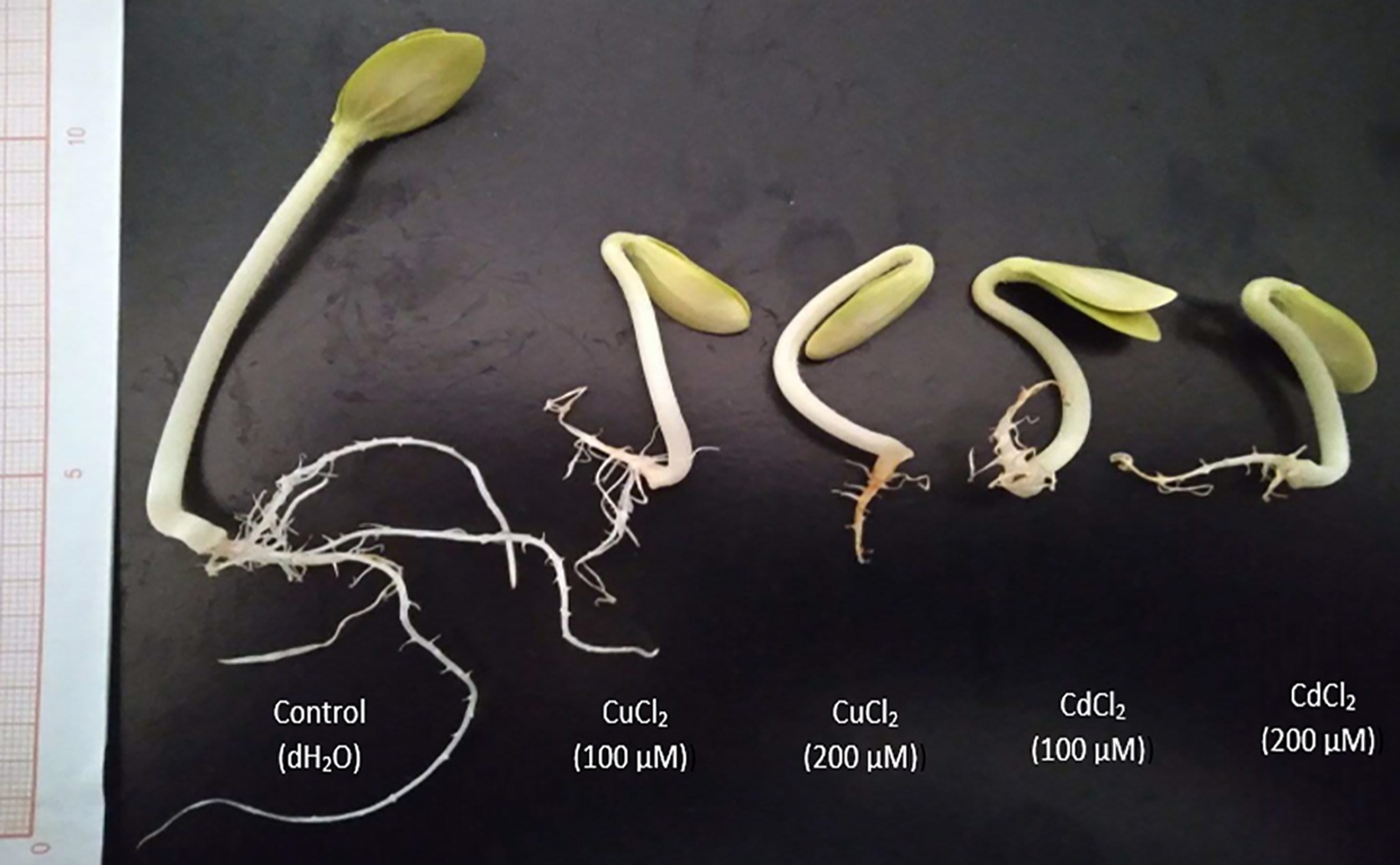
Cadmium and copper exposure caused visible stunting and reduced biomass in Cucurbita pepo seedlings, with cadmium producing more severe growth inhibition consistent with its greater disruption of reserve mobilization and seedling establishment.
Key Findings
- In zucchini seeds, cadmium and copper contamination at higher levels (200 µM) disrupted early growth stages, though germination rates were not significantly affected
- Cadmium was more toxic than copper, significantly reducing seedling length and weight by over 60% compared to copper’s 40% reduction
- Heavy metals, especially cadmium, hindered the breakdown of stored seed sugars, effectively limiting energy access for the seedlings
AgricultureEnvironmentPlant Science
References
Main Study
1) Physiological responses of Cucurbita pepo seeds to cadmium and copper stress: Differential impacts on reserve mobilization, metabolic efficiency, and growth
Published 30th January, 2026
https://doi.org/10.1371/journal.pone.0341814
Related Studies
2) Zinc Application Mitigates Copper Toxicity by Regulating Cu Uptake, Activity of Antioxidant Enzymes, and Improving Physiological Characteristics in Summer Squash.
3) Metabolomics Reveals the Molecular Mechanisms of Copper Induced Cucumber Leaf ( Cucumis sativus) Senescence.
4) Effect of Cadmium and Copper Exposure on Growth, Secondary Metabolites and Antioxidant Activity in the Medicinal Plant Sambung Nyawa (Gynura procumbens (Lour.) Merr).
Related Articles
 16th December, 2025 | Jim Crocker