Compounds from African mahogany leaves speed up wound healing

Greg Howard
6th February, 2026

Compounds from African mahogany leaves speed up wound healing

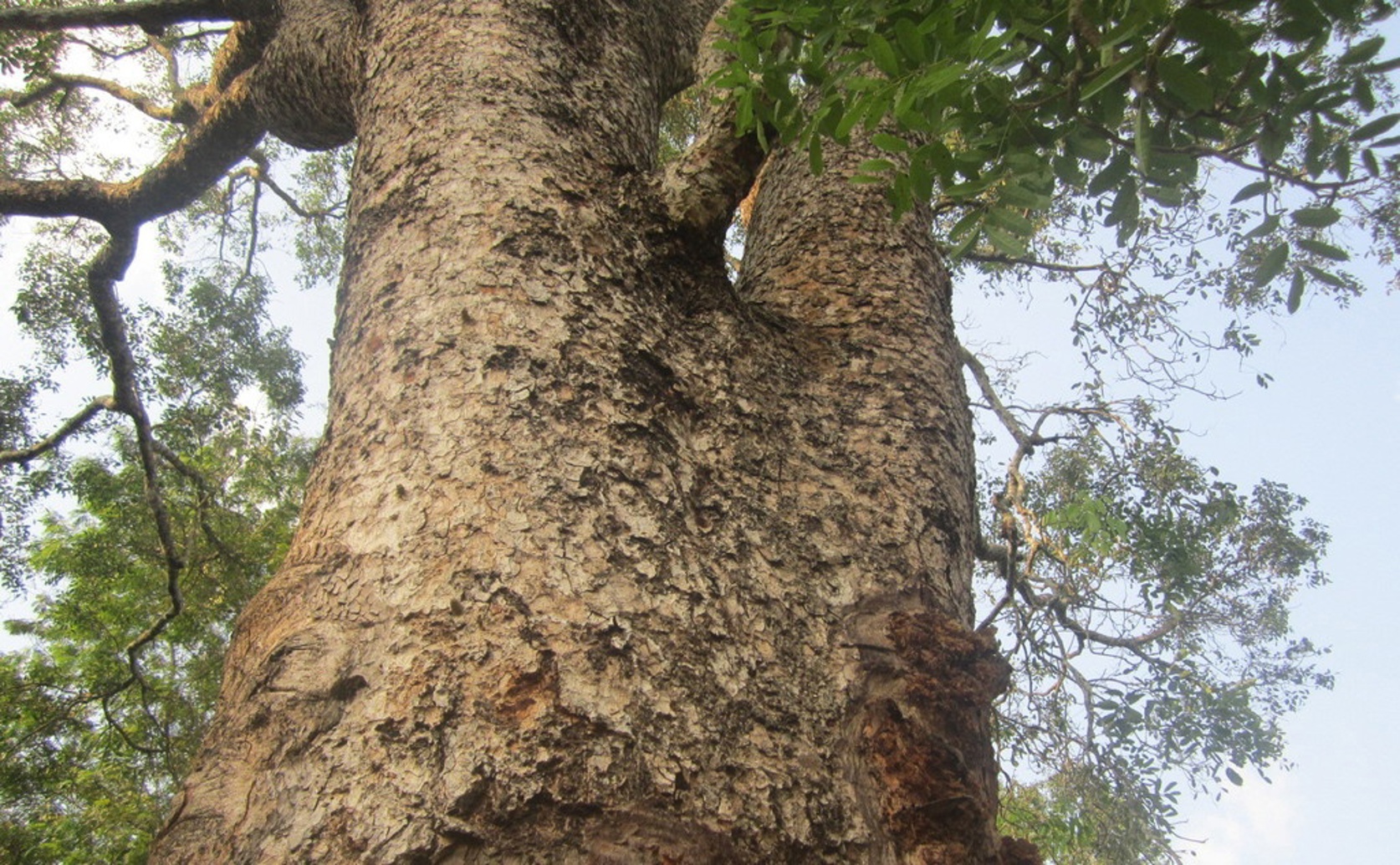
African mahogany (Khaya senegalensis)

Photo adapted from: Sunday Berlioz KAKPO / CC BY (Source)

Key Findings

  • Extracts from Khaya senegalensis leaves, studied in Malaysia, showed potential to accelerate wound healing in lab tests
  • The compounds β-sitosterol and stigmasterol, isolated from the leaves, significantly boosted the migration of skin cells without causing harm
  • These compounds appear to work by interacting with key proteins involved in inflammation and tissue repair, potentially reducing inflammation and promoting cell growth
Wound healing is a fundamental biological process, essential for restoring skin integrity after injury. However, this process is often imperfect, frequently resulting in scar tissue formation rather than complete regeneration, particularly in adults[2]. Chronic, non-healing wounds represent a significant medical challenge, affecting millions and incurring substantial healthcare costs[3][4]. These wounds often stem from underlying conditions like diabetes, vascular disease, or aging, which disrupt the normal stages of healing – inflammation, angiogenesis (new blood vessel formation), and tissue recruitment[3]. Current treatments are limited, highlighting the need for novel therapeutic strategies. Researchers at Universiti Sains Malaysia and the National Institutes of Health Malaysia recently investigated the potential of Khaya senegalensis leaves to improve wound healing[1]. Khaya senegalensis is a tree found in Africa, and various parts of the tree have traditionally been used in folk medicine for their healing properties. This study aimed to scientifically validate these traditional uses and identify the specific compounds responsible for any observed benefits. The research team employed a multi-faceted approach, beginning with a phytochemical analysis to identify the chemical constituents present in the leaves. They found a variety of compounds, including flavonoids, saponins, triterpenoids, tannins, and steroids, with the specific composition varying depending on the solvent used for extraction. Extracts prepared with ethyl acetate showed the strongest ability to neutralize free radicals – a process called DPPH radical scavenging – while methanol extracts contained the highest levels of phenolic compounds. Crucially, the study assessed the safety of the extracts by performing cytotoxicity assays on both HaCaT (skin cells) and HDF (fibroblast cells – cells involved in wound repair) cells. All extracts, fractions, and isolated compounds proved non-toxic at concentrations up to 100 µg/mL, indicating they were unlikely to harm healthy cells. The core of the study focused on the ability of the extracts to promote wound closure. Using a “scratch assay” – where a layer of cells is damaged to simulate a wound – the researchers observed significant, concentration-dependent healing. The most effective extract, along with its subfractions, completely closed the simulated wounds within 24 hours at a concentration of 12.5 μg/mL. To pinpoint the active compounds, the team isolated β-sitosterol and stigmasterol from the extract. These compounds were then further analyzed using techniques like NMR and FTIR to confirm their chemical structures. The final piece of the puzzle involved molecular docking, a computational method used to predict how well these compounds bind to specific proteins involved in wound healing. The results showed that β-sitosterol and stigmasterol strongly interact with two key proteins: TNF-α (a pro-inflammatory molecule) and GSK-3β (involved in cell proliferation and migration). This suggests these compounds may work by reducing inflammation and promoting the growth of new cells. The findings align with the broader understanding of the complexities of wound repair[2][3]. Chronic wounds often fail to heal due to dysregulation of the inflammatory response and impaired cell migration[3]. The ability of Khaya senegalensis extracts to exhibit antioxidant and anti-inflammatory properties, coupled with their pro-migratory effects, suggests they could address multiple aspects of the healing process. The economic burden of chronic wounds is substantial[4], and the identification of affordable and effective treatments, like those derived from natural sources, is a critical area of research. While further studies are needed to confirm these findings in vivo (in living organisms) and determine optimal delivery methods, Khaya senegalensis shows considerable promise as a novel therapeutic agent for wound repair.

HerbsMedicinePlant Science

References

Main Study

1) Bioassay-guided fractionation and identification of wound healing active compounds from Khaya senegalensis leaves

Published 2nd February, 2026

https://doi.org/10.1371/journal.pone.0339051


Related Studies

2) Wound repair and regeneration.

https://doi.org/10.1038/nature07039


3) Wound repair and regeneration: mechanisms, signaling, and translation.

https://doi.org/10.1126/scitranslmed.3009337


4) Human Wounds and Its Burden: An Updated Compendium of Estimates.

https://doi.org/10.1089/wound.2019.0946


Related Articles

An unhandled error has occurred. Reload 🗙