Chamomile boosts antibiotic power against drug-resistant stomach bacteria

Greg Howard
17th December, 2025

Chamomile boosts antibiotic power against drug-resistant stomach bacteria

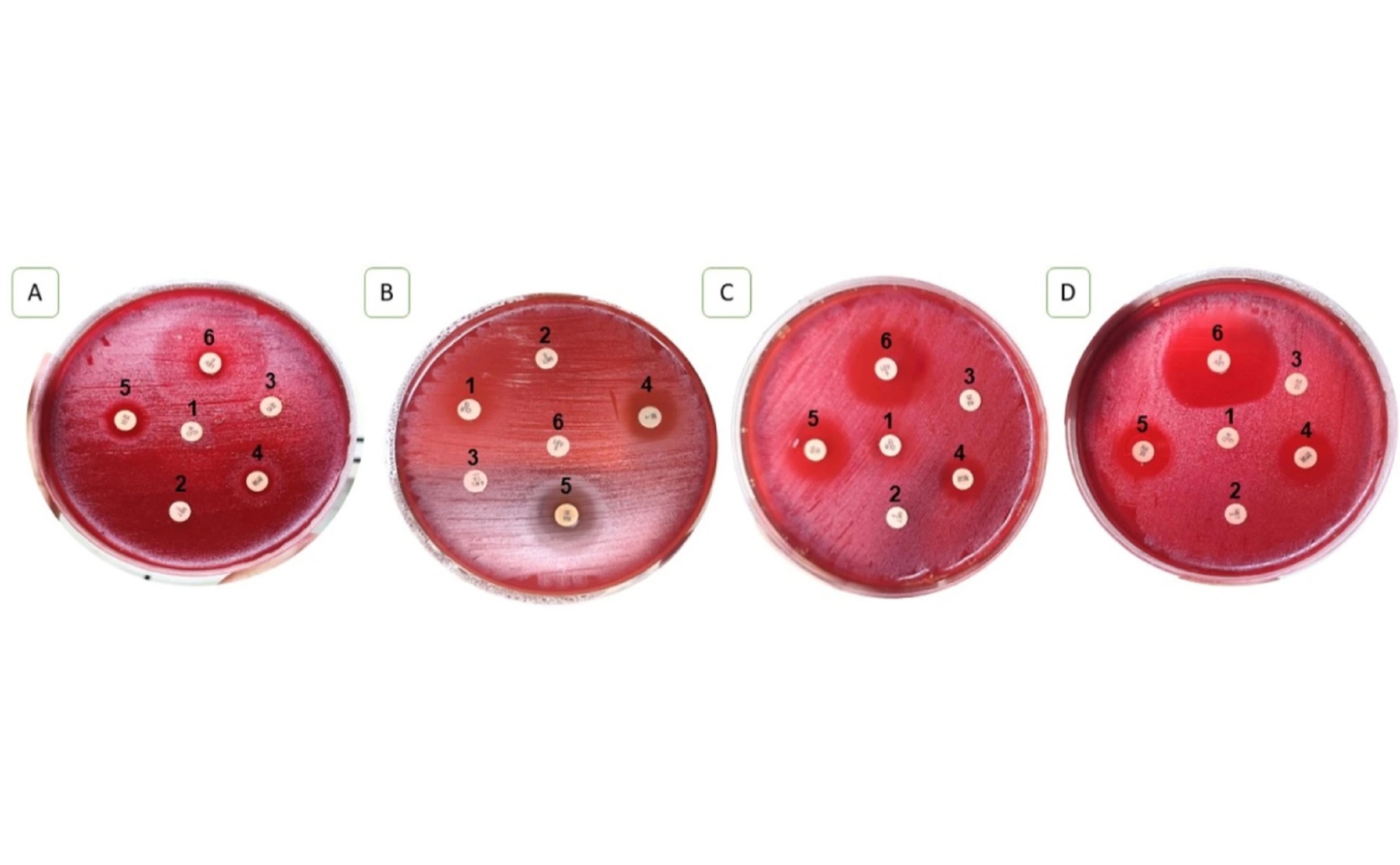
Widespread multidrug resistance is demonstrated across four distinct groups (a–d) of clinical Helicobacter pylori isolates, which proved resistant to nearly all tested antibiotics except for variable effectiveness from levofloxacin.

Image adapted from: Ali et al. / CC BY (Source)

Key Findings

  • In a hospital setting in Egypt, nearly all H. pylori isolates tested were resistant to common antibiotics like amoxicillin, metronidazole, and clarithromycin
  • Chamomile extract demonstrated antibacterial activity against H. pylori, and when combined with antibiotics, often boosted the antibiotics’ effectiveness by up to 2.3-fold
  • Analysis of chamomile’s chemical components revealed 14 compounds with known antibacterial properties, and computer modeling suggests eight of these could disrupt essential functions within H. pylori
Helicobacter pylori infection affects almost half of the world’s population, and is a major cause of peptic ulcers and gastric cancers[2]. A significant and growing problem is the increasing resistance of these bacteria to commonly used antibiotics, leading to treatment failures and the need for alternative strategies. Researchers at Ain Shams University recently investigated whether chamomile extract could help overcome this resistance[1]. The study focused on examining the antibacterial properties of chamomile ethanolic extract, both on its own and when used alongside standard antibiotics. Thirty patients undergoing endoscopy at El-Demerdash Hospital in Cairo, Egypt, provided stomach tissue samples. These samples were tested to confirm the presence of H. pylori and then cultured to grow the bacteria in a laboratory setting. Crucially, the researchers also determined which antibiotics the H. pylori strains were sensitive to, and which they were resistant to. This involved measuring the minimum inhibitory concentration (MIC) – the lowest amount of an antibiotic needed to stop the bacteria growing – and the minimum bactericidal concentration (MBC) – the lowest amount needed to kill them. The results showed that all thirty tissue samples contained H. pylori, and that chamomile extract had antibacterial activity against all 20 isolates successfully cultured. The extract’s effectiveness varied, requiring concentrations between 1.562 and 6.25 mg/mL to inhibit growth, and 3.12 to 12.5 mg/mL to kill the bacteria. However, the most interesting finding was what happened when the extract was combined with existing antibiotics. In many cases, the combination produced a synergistic effect – meaning the combined effect was stronger than would be expected from simply adding the effects of each component together. While some combinations didn’t work well, and even reduced antibiotic effectiveness (an antagonistic effect), the majority improved the antibiotics’ ability to fight the infection. This is particularly important because[2] highlights the challenges of H. pylori treatment, including antibiotic resistance and the need for multiple lines of therapy. In cases where antibiotics alone were struggling to work, adding chamomile extract significantly boosted their effectiveness, increasing the size of the area where bacterial growth was inhibited by 2.2-fold for tetracycline, 2.1-fold for rifampicin, and 1.7 to 2.3-fold for levofloxacin. To understand how chamomile extract was working, the researchers analyzed its chemical composition using techniques like FT-IR and GC-MS. These methods identified 38 different compounds within the extract, 14 of which are known to have antimicrobial properties. They then used computer modelling – molecular docking – to predict how well these compounds would bind to ten different proteins essential for H. pylori survival. Eight compounds showed particularly strong binding affinities, suggesting they could disrupt the bacteria’s functions. Further analysis indicated these compounds also have properties that make them suitable as potential drugs, including being safe and easily absorbed by the body. Other research[3] notes the declining success rates of H. pylori treatment despite increased knowledge of the bacterium, and the need for clinicians to be prepared for multiple treatment failures. The findings from the main study suggest chamomile extract could be a valuable addition to existing treatment regimens, particularly in cases of antibiotic resistance. The research builds on the idea of using complementary therapies, such as probiotics and phytomedicines, to improve H. pylori eradication rates[2]. While[4] discusses the adverse effects of conventional ulcer treatments, chamomile extract offers a potentially safer alternative or adjunct therapy.

HerbsMedicineBiochem

References

Main Study

1) Synergistic potentiation of antibiotics by chamomile phytochemicals against multidrug-resistant Helicobacter pylori

Published 15th December, 2025

https://doi.org/10.1186/s13099-025-00777-2


Related Studies

2) Treatment of Helicobacter pylori infection: Current and future insights.

https://doi.org/10.12998/wjcc.v4.i1.5


3) Second and third line treatment options for Helicobacter pylori eradication.

https://doi.org/10.3748/wjg.v20.i6.1517


4) Peptic Ulcer Disease: A Brief Review of Conventional Therapy and Herbal Treatment Options.

https://doi.org/10.3390/jcm8020179


Related Articles

An unhandled error has occurred. Reload 🗙