How Turmeric Supplements Affect Organ Development in Females

Greg Howard
30th January, 2025

How Turmeric Supplements Affect Organ Development in Females

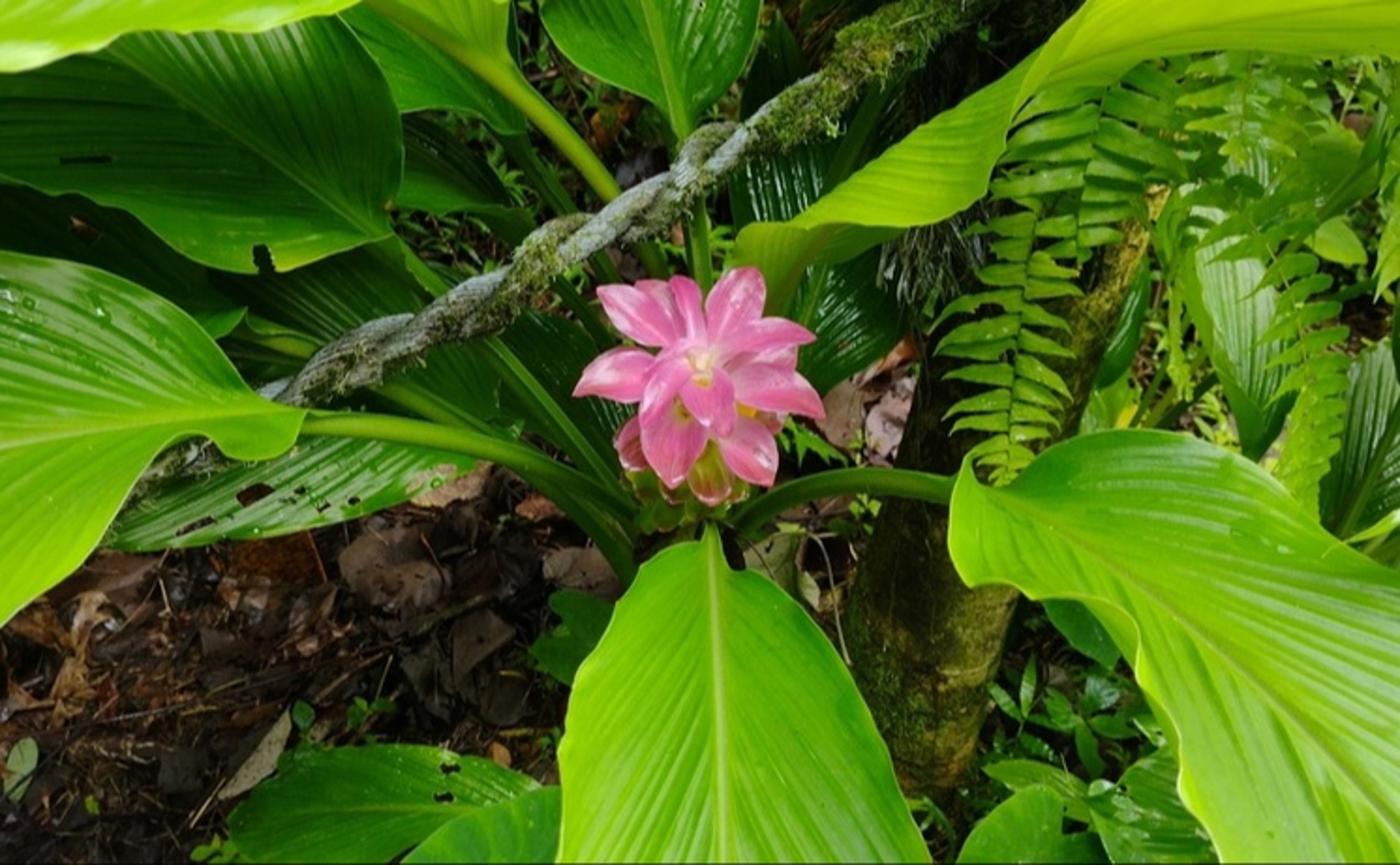
Turmeric (Curcuma longa)

Photographer: Dana Lee Ling

Key Findings

  • Researchers in Ecuador found that low-dose turmeric supplementation (1–2 g/day) in female chickens influenced organ development without affecting their final weight
  • Chickens receiving 1–2 g/day of turmeric had notable changes in organ size, including larger hearts and differences in liver, gallbladder, and cecum development
  • These organ-level changes suggest turmeric may improve digestion, nutrient absorption, and overall physiological function, benefiting small-scale poultry farming
The study conducted by researchers at the Escuela Superior Politécnica de Chimborazo (ESPOCH) in Ecuador[1] investigated the effects of Curcuma longa (commonly known as turmeric) supplementation on the growth and organ development of female chickens. This research is particularly significant as backyard and small-scale poultry farming is a vital economic activity for families in Ecuador, providing high-quality protein and enhancing food security. The study aimed to determine whether turmeric, in the form of C. longa flour, could enhance productivity and well-being in chickens, potentially offering a natural and accessible feed additive for small-scale farmers. The experiment involved 200 female chickens divided into four groups: a control group receiving only a basal diet, and three treatment groups receiving the basal diet supplemented with 1 g/day (T1), 2 g/day (T2), or 3 g/day (T3) of C. longa. The researchers measured the final weight of the chickens and examined the morphometric (size and shape) characteristics of various organs, including the esophagus, gizzard, heart, liver, gallbladder, and cecum. The results showed that supplementation with 1 or 2 g/day of C. longa did not significantly affect the final weight compared to the control group, with all groups averaging approximately 2763 ± 28 g (P < 0.32). However, notable differences were observed in organ development, particularly in T1 and T2 groups. The T1 group exhibited a shorter esophagus (3.7 ± 0.5 mm; P < 0.002) and gizzard (4.9 ± 0.3 mm) compared to other groups, but these chickens also had larger hearts (P < 0.02). Differences in the liver, gallbladder, and cecum were more pronounced in chickens supplemented with 1 or 2 g/day of C. longa (P = 0.01 to 0.001). These findings suggest that turmeric supplementation at lower doses may influence the development of specific organs, potentially improving aspects of digestion, nutrient absorption, and overall physiological function. These results align with previous research on the health benefits of plant-based additives in animal diets. For example, members of the genus Curcuma have long been used in traditional medicine for their anti-inflammatory, digestive, and antimicrobial properties[2]. Essential oils derived from Curcuma species, particularly C. longa, have demonstrated various biological activities, including their ability to support gastrointestinal health and reduce inflammation[2]. While the ESPOCH study focused on C. longa flour rather than essential oils, the observed organ development benefits may be linked to the bioactive compounds in turmeric, such as curcuminoids and volatile components, which are known to influence health and physiological processes. Additionally, the findings complement earlier studies on probiotics and intestinal health in poultry. Probiotics have been shown to improve digestion, nutrient absorption, and immune responses by regulating intestinal microbes[3]. While turmeric is not a probiotic, its potential to enhance the development of digestive organs like the liver and cecum may indirectly support similar benefits by optimizing the chickens’ ability to process and absorb nutrients. This could lead to improved growth performance and overall well-being, especially in resource-limited settings where access to commercial feed additives may be restricted. The ESPOCH study highlights the potential of C. longa as a natural feed additive to enhance poultry productivity and organ development. However, the researchers recommend further studies focusing on immunology and histology to better understand the mechanisms underlying these benefits. These additional investigations could provide valuable insights into how turmeric supplementation influences immune function, tissue development, and overall health in chickens. In conclusion, this research provides evidence that low-dose supplementation of C. longa flour (1–2 g/day) positively affects the morphometric characteristics of key organs in female chickens, potentially improving their development and productivity. While the final weight of the chickens remained unaffected, the observed organ-level changes could have long-term implications for their health and efficiency. These findings offer a promising, cost-effective option for small-scale poultry farmers seeking to improve their flocks’ performance while utilizing locally available resources.

HealthSpicesAnimal Science

References

Main Study

1) Morphometric characteristics of organs of female chickens (Pazo de Vilane) supplemented with Curcuma longa.

Published 29th January, 2025

https://doi.org/10.1590/1519-6984.285702


Related Studies

2) Chemical Composition and Biological Activities of Essential Oils of Curcuma Species.

https://doi.org/10.3390/nu10091196


3) The impact of probiotics on gut health via alternation of immune status of monogastric animals.

https://doi.org/10.1016/j.aninu.2020.11.004


Related Articles

An unhandled error has occurred. Reload 🗙