Cardamom extraction method shows promise against harmful microbes

Greg Howard
10th December, 2025

Cardamom extraction method shows promise against harmful microbes

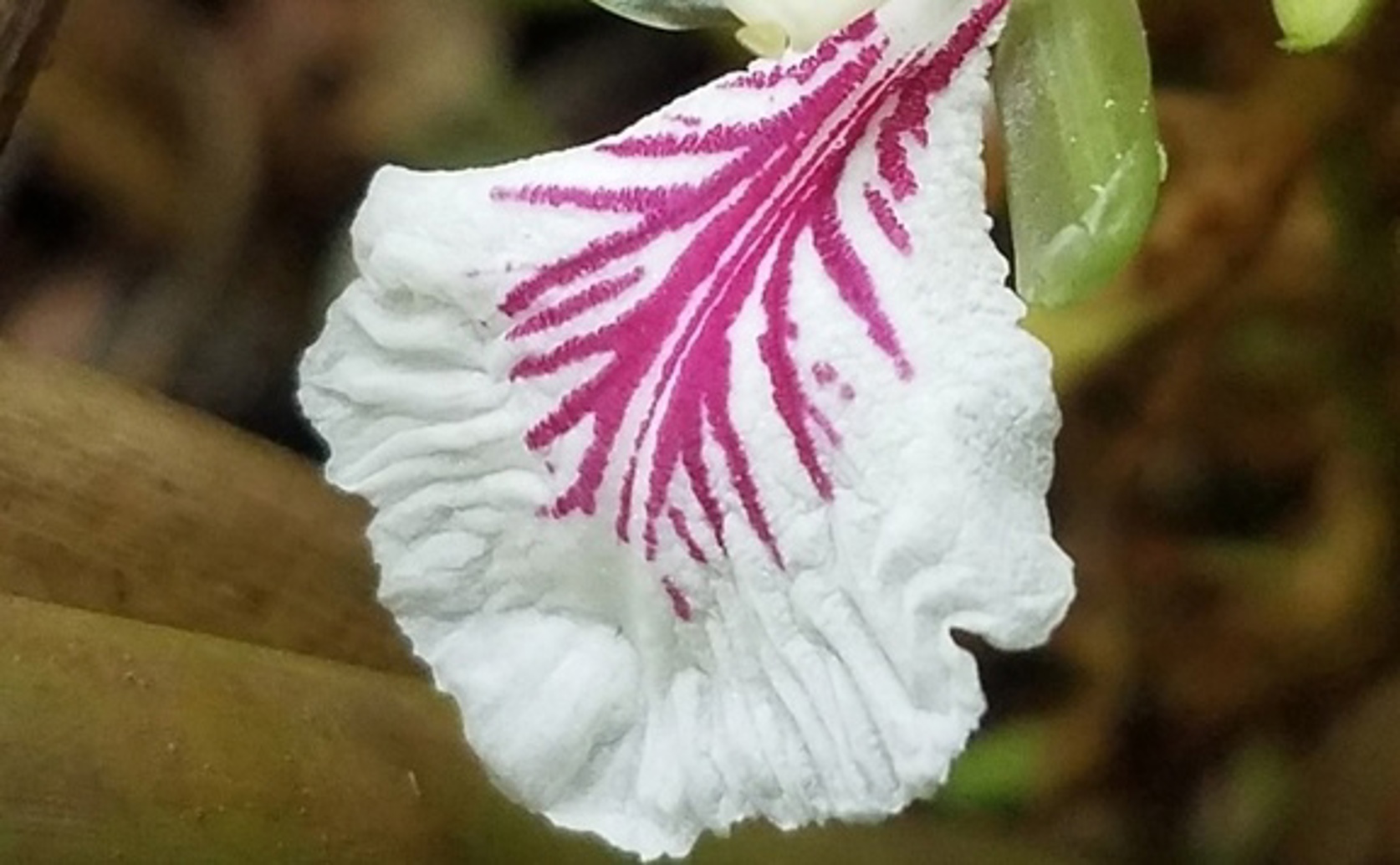
Green Cardamom (Elettaria cardamomum)

Public Domain Photograph

Key Findings

  • This study, conducted at Imam Mohammad Ibn Saud Islamic University, optimized green cardamom extract using supercritical fluid extraction
  • Increasing extraction pressure to 300 bar yielded the highest amount of extract and proportionally increased levels of beneficial phenolic compounds like gallic acid
  • The extract obtained at 300 bar demonstrated the strongest antimicrobial activity against Bacillus subtilis and Candida albicans, inhibiting their growth and reducing biofilm formation
Extracting useful compounds from plants is gaining attention as a cost-effective and sustainable way to develop new products. A research team from Imam Mohammad Ibn Saud Islamic University (IMSIU)[1] recently investigated how different pressures during a specific extraction process – supercritical fluid extraction (SFE) – affect the properties of green cardamom. Supercritical fluid extraction uses a substance, often carbon dioxide, under high pressure and temperature to pull out compounds from plant material. It’s favoured because it’s efficient and leaves no harmful residue. The IMSIU study focused on optimizing this process for green cardamom, a spice known for its flavour and potential health benefits[2]. Researchers tested pressures of 100, 200, and 300 bar (a unit of pressure – roughly 14.5 psi per bar) to see which yielded the most bioactive compounds and the strongest antimicrobial effects. The study found that increasing the pressure during extraction led to a greater yield of beneficial compounds. The highest weight of extract was achieved at 300 bar, and levels of phenolic compounds – plant chemicals with antioxidant and antimicrobial properties – also increased proportionally with pressure. Specifically, gallic acid, a potent antioxidant, showed a significant rise with each pressure increase. Crucially, the extracts obtained at the highest pressure (300 bar) demonstrated the most potent antimicrobial activity. They were particularly effective against Bacillus subtilis and Candida albicans, common bacteria and fungi respectively, inhibiting their growth with zones of 23.33 mm and 22.17 mm in laboratory tests. Further tests confirmed that higher extraction pressure also enhanced the extract’s ability to prevent biofilm formation and reduce the breakdown of red blood cells – both indicators of biological activity. Time-lapse observations showed that the 300-bar extract consistently inhibited microbial growth over time. To understand how the extract was working at a cellular level, the researchers used transmission electron microscopy (TEM). This technique revealed significant damage to the structure of B. subtilis and C. albicans cells treated with the 300-bar extract, confirming its strong antimicrobial action. The researchers also used computer modelling – molecular docking – to investigate how key compounds in the cardamom extract, gallic acid and syringic acid, interact with proteins in the bacteria B. subtilis and S. aureus. This modelling showed that syringic acid had a slightly stronger binding affinity to these proteins than gallic acid, suggesting it may play a more significant role in the antimicrobial effect. The modelling identified specific interactions between the compounds and amino acid residues within the bacterial proteins, providing insights into the mechanism of action. These findings build upon previous research demonstrating the antimicrobial properties of cardamom[2][3]. While earlier studies identified various bioactive components in cardamom essential oil and their ability to inhibit microbial growth, including quorum sensing – a bacterial communication system –[2][3], this study demonstrates that optimizing the extraction process itself can significantly enhance these properties. For example, previous work showed that black cardamom essential oil (BCEO) inhibited violacein production, a marker of quorum sensing, without significantly affecting bacterial growth[3]. The IMSIU study suggests that SFE at higher pressures could potentially amplify this quorum sensing inhibition, alongside direct antimicrobial effects. Furthermore, the use of SFE, as opposed to traditional solvent extraction, aligns with a growing trend towards greener and more sustainable extraction methods[4]. The research highlights the potential of pressure-optimized SFE to maximize the bioactivity of plant extracts, offering a promising avenue for developing new therapeutic agents.

MedicineBiochemSpices

References

Main Study

1) Innovative strategy for extraction of green cardamom via super critical fluid extractor at different levels of pressure with its application against microorganisms in vitro and in silico

Published 8th December, 2025

https://doi.org/10.1186/s40643-025-00951-z


Related Studies

2) Evaluating the antimicrobial potential of green cardamom essential oil focusing on quorum sensing inhibition of Chromobacterium violaceum.

https://doi.org/10.1007/s13197-017-2668-7


3) Black cardamom essential oil prevents Escherichia coli O157:H7 and Salmonella Typhimurium JSG 1748 biofilm formation through inhibition of quorum sensing.

https://doi.org/10.1007/s13197-020-04821-8


4) GC/MS analysis of Juniperus procera extract and its activity with silver nanoparticles against Aspergillus flavus growth and aflatoxins production.

https://doi.org/10.1016/j.btre.2020.e00496


Related Articles

An unhandled error has occurred. Reload 🗙