Soft Flesh Condition in European Sardines Caused by Parasite

Jim Crocker
19th December, 2024

Soft Flesh Condition in European Sardines Caused by Parasite

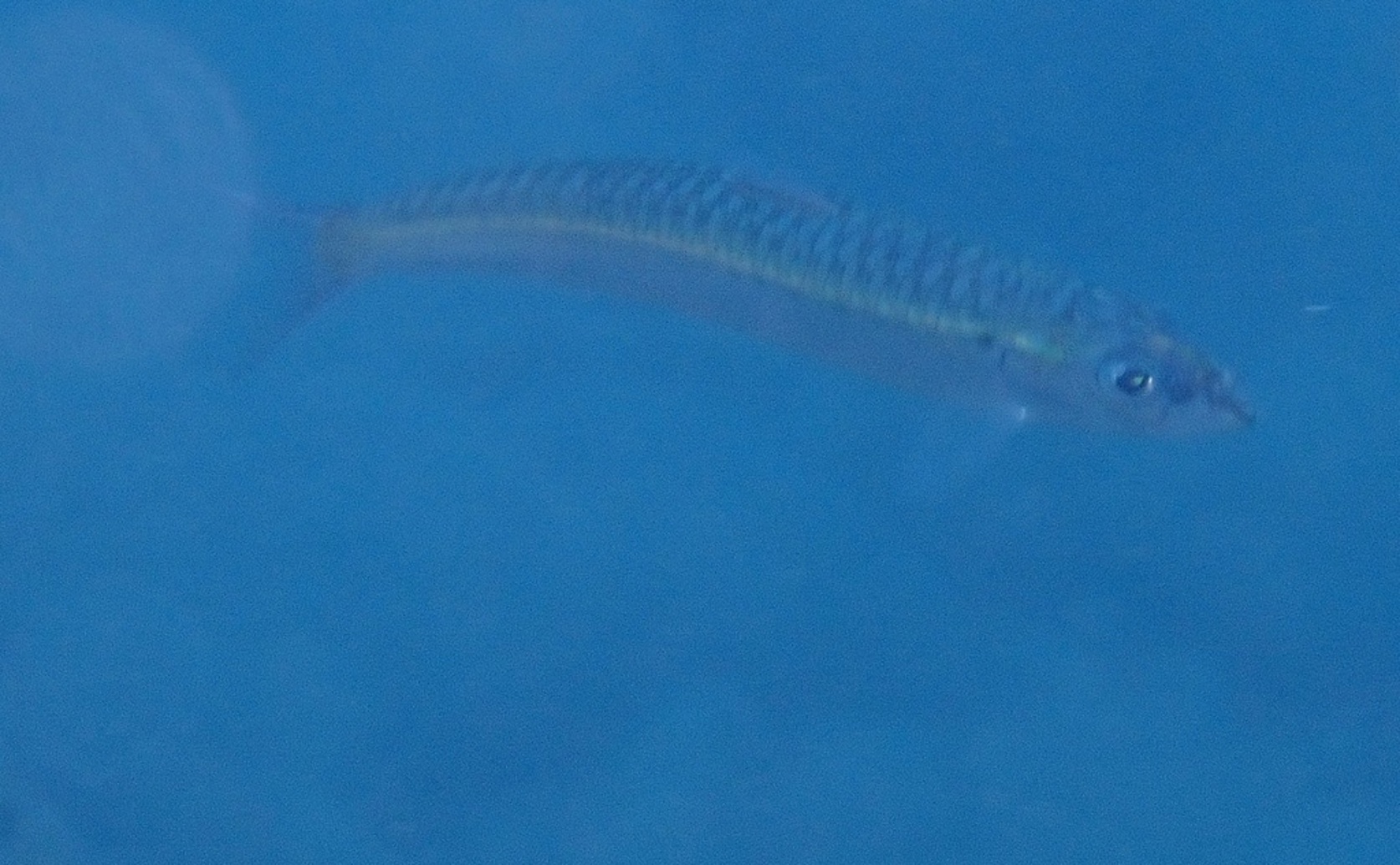
European Sardine (Sardina pilchardus)

Photo adapted from: César Alonso / CC BY (Source)

Key Findings

  • A study by the Institute of Marine Research in 2023 found that 5.4% of Iberian sardines caught off the northern Spanish Atlantic coast had 'soft flesh' due to Kudoa parasites
  • The 'soft flesh' condition, caused by Kudoa thyrsites, leads to muscle degradation in sardines, affecting their texture and quality
  • This issue poses a significant threat to the marketability and consumer confidence in Iberian sardines, highlighting the need for effective monitoring and management strategies
European sardine (Sardina pilchardus) is a key species in the commercial fishing industry, particularly in Spain, one of the largest sardine suppliers in Europe. The Iberian sardine stock holds significant economic value, yet it faces a threat from Kudoa parasites, which cause a condition known as 'soft flesh'. This condition compromises the texture and quality of the fish, posing a substantial issue for food safety and marketability. The Institute of Marine Research (IMR) conducted a study in 2023 to investigate the prevalence of 'soft flesh' in the Iberian sardine stock caught off the northern Spanish Atlantic coast[1]. The study examined 500 sardine specimens using manual texture testing and visual inspection 48 hours post-catch. The results revealed that 5.4% of the sardines (27 out of 500) exhibited 'soft flesh'. Microscopic examination of the affected muscle samples identified the presence of Kudoa thyrsites-like myxospores, which were confirmed through SSU rDNA gene sequence analysis as K. thyrsites. This finding is particularly concerning as the larger Iberian sardines, which are highly valued by consumers, appear to be the most affected. Kudoa parasites, particularly K. thyrsites, are known to cause significant proteolysis (breakdown of proteins) in fish muscle tissue post-mortem, leading to the 'soft flesh' condition[2]. Previous studies have shown that K. thyrsites infections result in severe muscle degradation due to the action of cysteine proteases, specifically cathepsin L proenzyme (Kth-CL)[2]. This enzyme becomes active under specific pH conditions, leading to the breakdown of muscle tissue and the subsequent softening of the flesh. The presence of K. thyrsites in the Iberian sardine stock raises concerns about the quality and safety of the fish, which can impact consumer confidence and marketability. The unsightly appearance of infected fillets can deter consumers, both locally and in international markets, from purchasing these sardines. This is a significant issue for the fishing industry, as maintaining high standards of food quality is crucial for sustaining market demand and ensuring consumer trust. The findings of this study highlight the need for effective monitoring and management strategies to mitigate the impact of Kudoa infections on the Iberian sardine stock. Understanding the factors that contribute to the prevalence of 'soft flesh' and developing methods to prevent or control these infections are essential steps in ensuring the quality and safety of sardine products. Previous research has emphasized the importance of evaluating fish freshness and quality, particularly in relation to the texture and structure of fish muscle[3]. Factors such as hardness, cohesiveness, and resilience are critical quality attributes that can be affected by Kudoa infections. The development of advanced texture and structure measurement techniques, including sensory evaluation and instrumental methods, can aid in the early detection and assessment of 'soft flesh' in sardine stocks. These techniques can provide valuable insights into the extent of muscle degradation and help identify potential interventions to maintain fish quality. Moreover, the study of Kudoa parasites and their impact on fish muscle tissue is an ongoing field of research. The identification and characterization of proteases involved in muscle degradation, such as Kth-CL, provide a deeper understanding of the mechanisms underlying 'soft flesh'[2]. This knowledge can inform the development of targeted strategies to inhibit protease activity and prevent muscle degradation in infected fish. In conclusion, the occurrence of Kudoa-induced 'soft flesh' in the Iberian sardine stock presents a significant challenge for the fishing industry. The findings of the IMR study underscore the importance of monitoring and managing Kudoa infections to ensure the quality and safety of sardine products. Continued research into the mechanisms of muscle degradation and the development of advanced evaluation techniques will be crucial in addressing this issue and maintaining consumer confidence in sardine products.

HealthAnimal ScienceMarine Biology

References

Main Study

1) Occurrence of 'soft flesh' condition induced by Kudoa thyrsites parasite in the Iberian European sardine stock.

Published 18th December, 2024

https://doi.org/10.1007/s00436-024-08436-2


Related Studies

2) Identification, characterization and deduced amino acid sequence of the dominant protease from Kudoa paniformis and K. thyrsites: a unique cytoplasmic cysteine protease.

https://doi.org/10.1016/j.cbpb.2007.11.011


3) Texture and Structure Measurements and Analyses for Evaluation of Fish and Fillet Freshness Quality: A Review.

https://doi.org/10.1111/1541-4337.12043


Related Articles

An unhandled error has occurred. Reload 🗙