
How bird type and diet impact waterbird populations
Jenn Hoskins
1st March, 2026


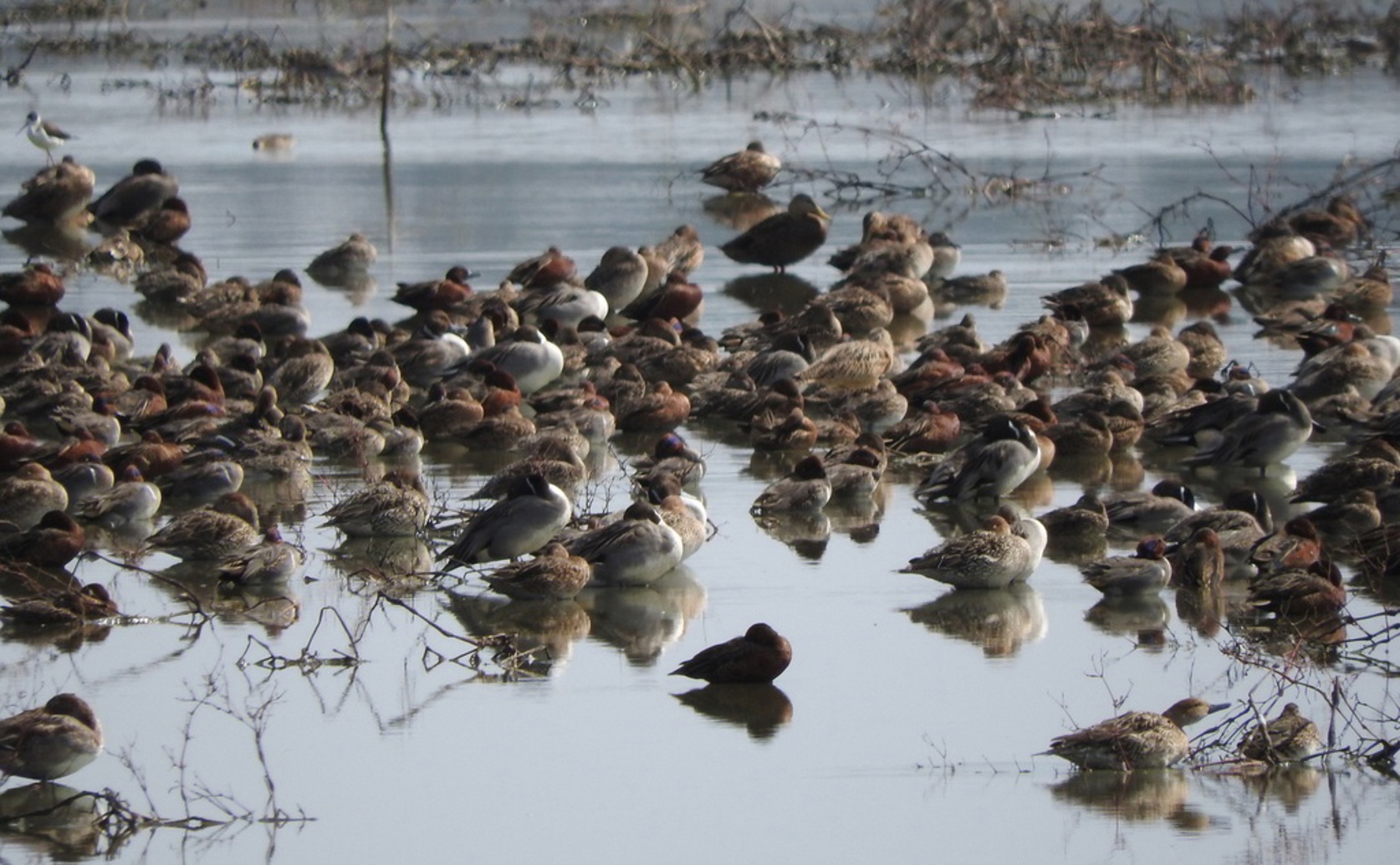
Anas acuta, one of the waterbird species examined in the study.
Key Findings
- Waterbirds wintering along the Caspian Sea coast of Iran accumulate trace metals, with levels varying by species
- Piscivorous birds (fish-eaters) showed the highest concentrations of lead, cadmium, chromium, and arsenic due to biomagnification in the food chain
- Some birds had metal levels exceeding thresholds linked to potential health problems like kidney issues and impaired survival
References
Main Study
1) Effect of taxonomy and feeding guilds on waterbirds of the Southern Caspian Sea, Iran
Published 26th February, 2026
https://doi.org/10.1371/journal.pone.0334915
Related Studies
2) An integrated model for assessing heavy metal exposure risk to migratory birds in wetland ecosystem: A case study in Dongting Lake Wetland, China.
3) The role of earthworm Lampito mauritii (Kinberg) in amending lead and zinc treated soil.
4) Wetland habitats supporting waterbird diversity: Conservation perspective on biodiversity-ecosystem functioning relationship.
Related Articles
 10th October, 2025 | Jenn Hoskins