Effectiveness of Plant Extracts Compared to Insecticide on Two Whitefly Species

Jenn Hoskins
17th January, 2025

Effectiveness of Plant Extracts Compared to Insecticide on Two Whitefly Species

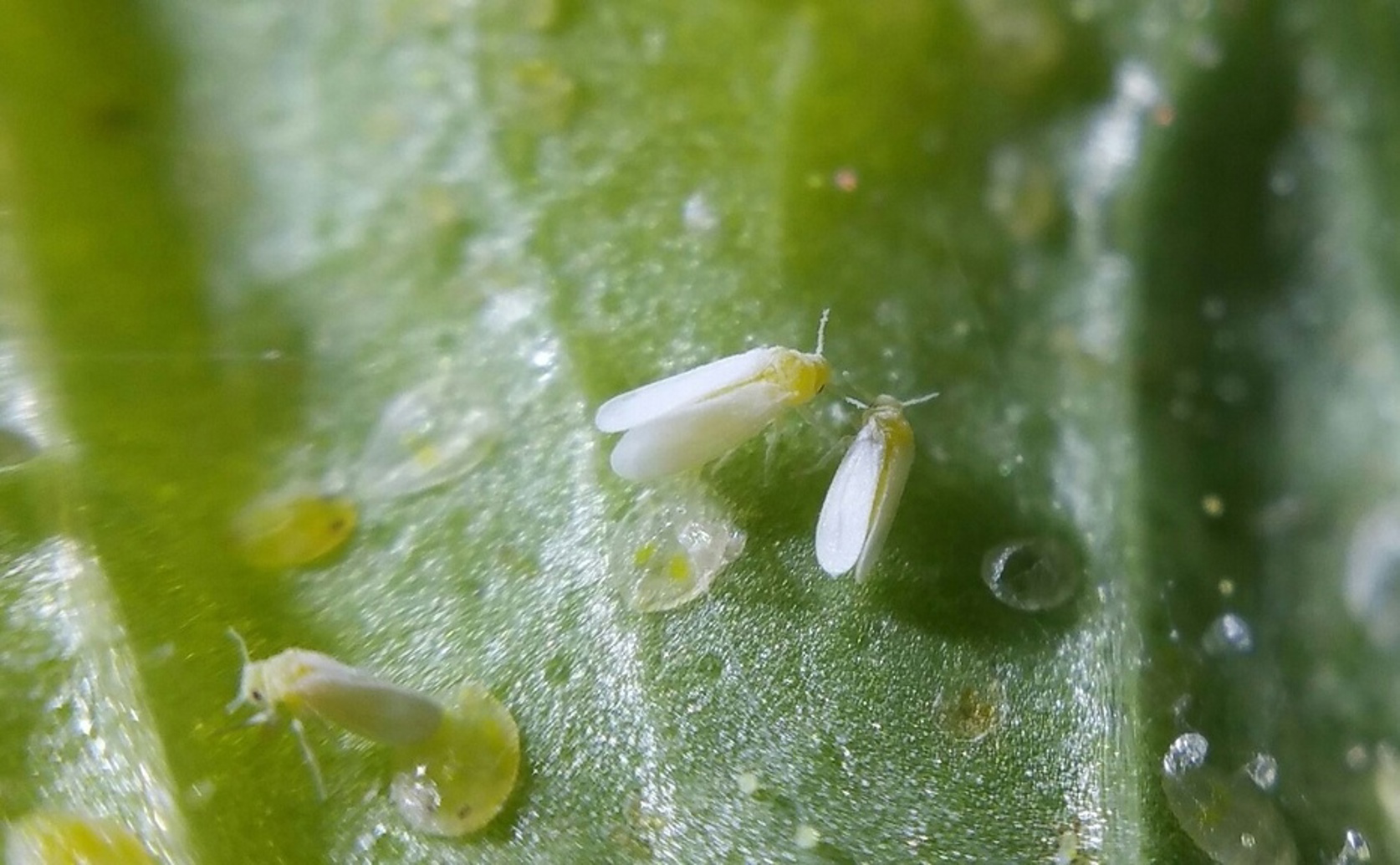
Silverleaf Whitefly (Bemisia tabaci), one of the two species covered.

Photo adapted from: Mihajlo Tomić / CC BY (Source)

Key Findings

  • The study by Alexandria University tested plant extracts from thyme, garlic, and weeping willow to control whitefly pests
  • Garlic and weeping willow extracts were most toxic to B. tabaci, while thyme and garlic were most effective against T. ricini
  • Combining these plant extracts with the insecticide mospilan increased their effectiveness, leading to higher pest mortality
Insect pests such as the whitefly, Bemisia tabaci, and its relative Trialeurodes ricini, pose significant threats to global agriculture due to their role in transmitting plant viruses and their resistance to chemical insecticides. A recent study by Alexandria University explores an innovative approach to managing these pests using plant-derived n-hexane extracts (HEs) combined with traditional insecticides[1]. The study evaluated the insecticidal properties, synergistic effects, and acetylcholinesterase (AChE) inhibitory effects of HEs from thyme (Thymus vulgaris), garlic (Allium sativum), and weeping willow (Salix babylonica). The HEs were tested against two whitefly species: B. tabaci biotype B and T. ricini. Acetamiprid (mospilan), a common insecticide, was used as a reference for comparison. The chemical composition of the HEs was determined using gas chromatography-mass spectrometry (GC-MS) and gas chromatography with flame-ionization detection (GC-FID). The main compounds identified were thymol and geranyl-α-terpinene in thyme, diallyl sulfide and allyl tetrasulfide in garlic, and various phenylalkanes in weeping willow. The study found that the HEs from weeping willow and garlic exhibited the highest toxicity against B. tabaci, while thyme and garlic HEs were most effective against T. ricini. Interestingly, when the HEs were combined with mospilan, a potentiating effect was observed. This synergistic action was quantified using co-toxicity factors, which ranged from 21.47 for garlic HE combined with mospilan against B. tabaci to 37.65 for weeping willow HE combined with mospilan against T. ricini. The combination of mospilan and weeping willow HE showed the highest AChE inhibitory effect 48 hours after treatment. AChE is an enzyme critical for the proper functioning of the nervous system in insects; inhibiting this enzyme leads to paralysis and death of the pests. The study also evaluated the repellent efficacy of the HEs using a choice test design. Thyme HE at 2% concentration exhibited the highest repellent effect against B. tabaci, with a repellency index (RI) of 88.22%. Conversely, weeping willow HE at 1% showed an attractant effect, with an RI value of -8.94%. These findings build upon previous research on alternative pest control methods. For instance, a study demonstrated that the coat protein of a begomovirus could deliver insect-specific neurotoxins into the whitefly haemocoel, leading to significant mortality[2]. This approach, like the use of plant-derived HEs, represents a shift towards more sustainable and targeted pest management strategies. Another relevant study evaluated the insecticidal properties of various plant extracts against the cotton leafworm, Spodoptera littoralis, and found that Schinus terebinthifolius extract was highly toxic to larvae and eggs[3]. This aligns with the current study's focus on identifying effective natural insecticides that can be integrated into pest management programs. The current research highlights the potential of combining natural plant extracts with conventional insecticides to enhance pest control efficacy while potentially reducing the reliance on synthetic chemicals. This integrated pest management (IPM) approach could be particularly valuable in managing resistant pest populations and minimizing environmental impact. In conclusion, the study by Alexandria University provides compelling evidence for the use of thyme, garlic, and weeping willow HEs in combination with acetamiprid to control whitefly pests. By leveraging the synergistic effects and AChE inhibitory properties of these natural extracts, this research paves the way for more sustainable and effective pest management strategies.

AgricultureBiochemPlant Science

References

Main Study

1) Comparative efficacy of plant derived extracts with the insecticide mospilan on two whitefly species Bemisia tabaci biotype B and Trialeurodes ricini.

Published 15th January, 2025

https://doi.org/10.1038/s41598-024-84958-0


Related Studies

2) Coat protein of a whitefly-vectored plant virus as a delivery system to target whitefly.

https://doi.org/10.1111/1751-7915.14468


3) Comparative study of three plant-derived extracts as new management strategies against Spodoptera littoralis (Boisd.) (Lepidoptera: Noctuidae).

https://doi.org/10.1038/s41598-023-30588-x


Related Articles

An unhandled error has occurred. Reload 🗙