
Aloe vera carbon dots detect temperature, pH, and iron levels
Greg Howard
23rd January, 2026


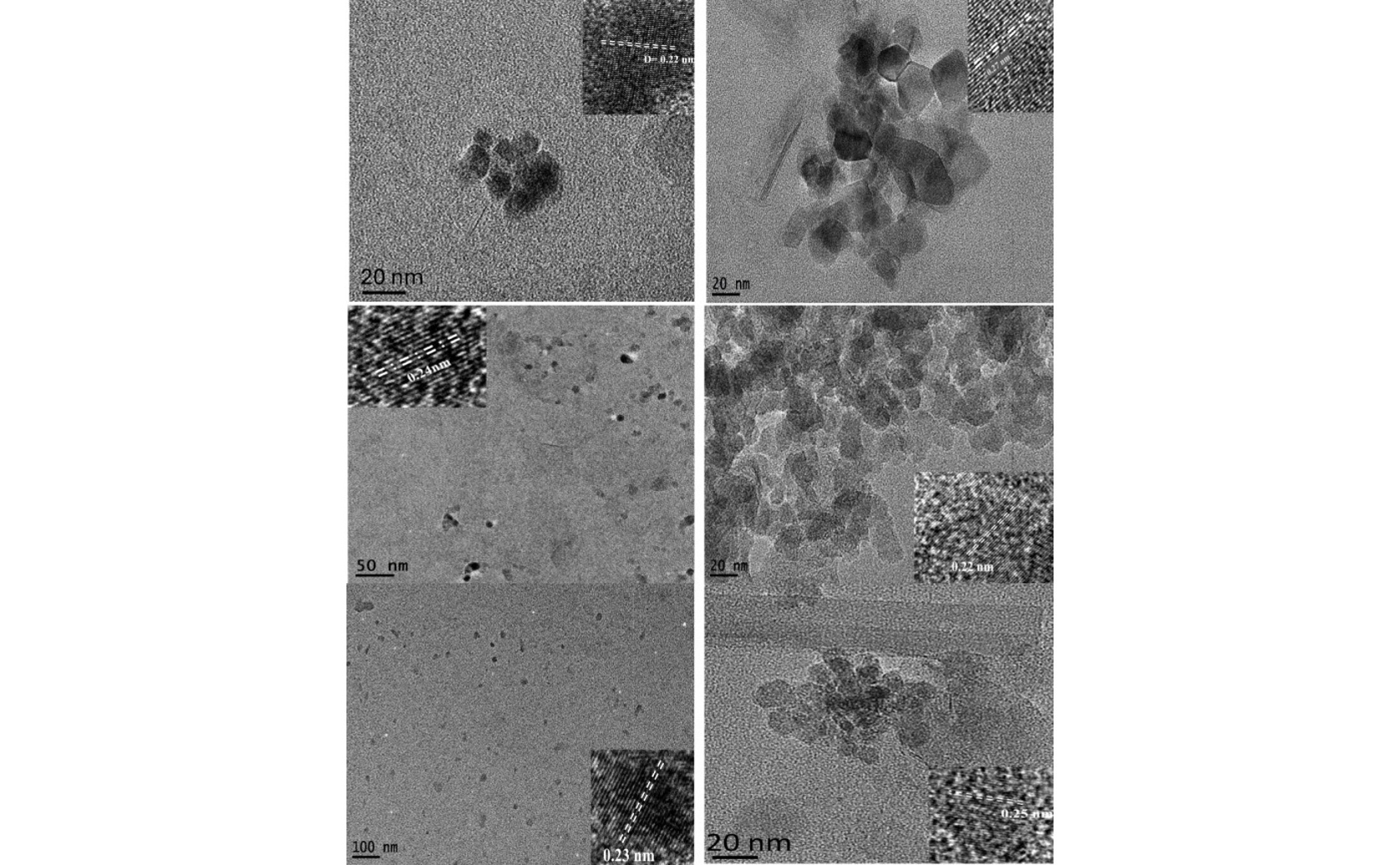
Higher synthesis temperatures yield smaller, more spherical carbon dots derived from Aloe vera (a–c), while longer reaction times at 240°C initially increase particle size (d, e) before a reduction occurs (f), illustrating the precise morphological control that is key to optimizing the nanoparticles' sensing capabilities.
Key Findings
- Researchers developed a sustainable method to create carbon dots (CDs) from Aloe vera gel using a simple hydrothermal process
- CDs synthesized at 240°C for 12 hours exhibited the brightest fluorescence and were selected for further testing as sensors
- These optimized CDs effectively detect temperature changes and iron(III) ions (Fe³⁺) with high sensitivity, showing potential for environmental monitoring and biomedical applications
References
Main Study
1) Aloe vera derived carbon dots as multifunctional fluorescent probe for temperature, pH, and ferric ion sensing
Published 20th January, 2026
https://doi.org/10.1038/s41598-025-34499-x
Related Studies
2) Nitrogen and sulphur doped carbon dot: An excellent biocompatible candidate for in-vitro cancer cell imaging and beyond.
3) Multi-functionalized carbon dots as theranostic nanoagent for gene delivery in lung cancer therapy.
4) Fabrication of Folic Acid-Derived Carbon Dot-Conjugated Chitosan Nanospheres as Theragnostic Agents for pH-Responsive Anticancer Drug Delivery.
Related Articles
 31st December, 2025 | Jenn Hoskins