Crepe-myrtle leaf extract: Uncovering Potential medicinal properties of Crepe-myrtle leaf extract.

Jenn Hoskins
31st December, 2025

Crepe-myrtle leaf extract: Uncovering Potential medicinal properties of Crepe-myrtle leaf extract.

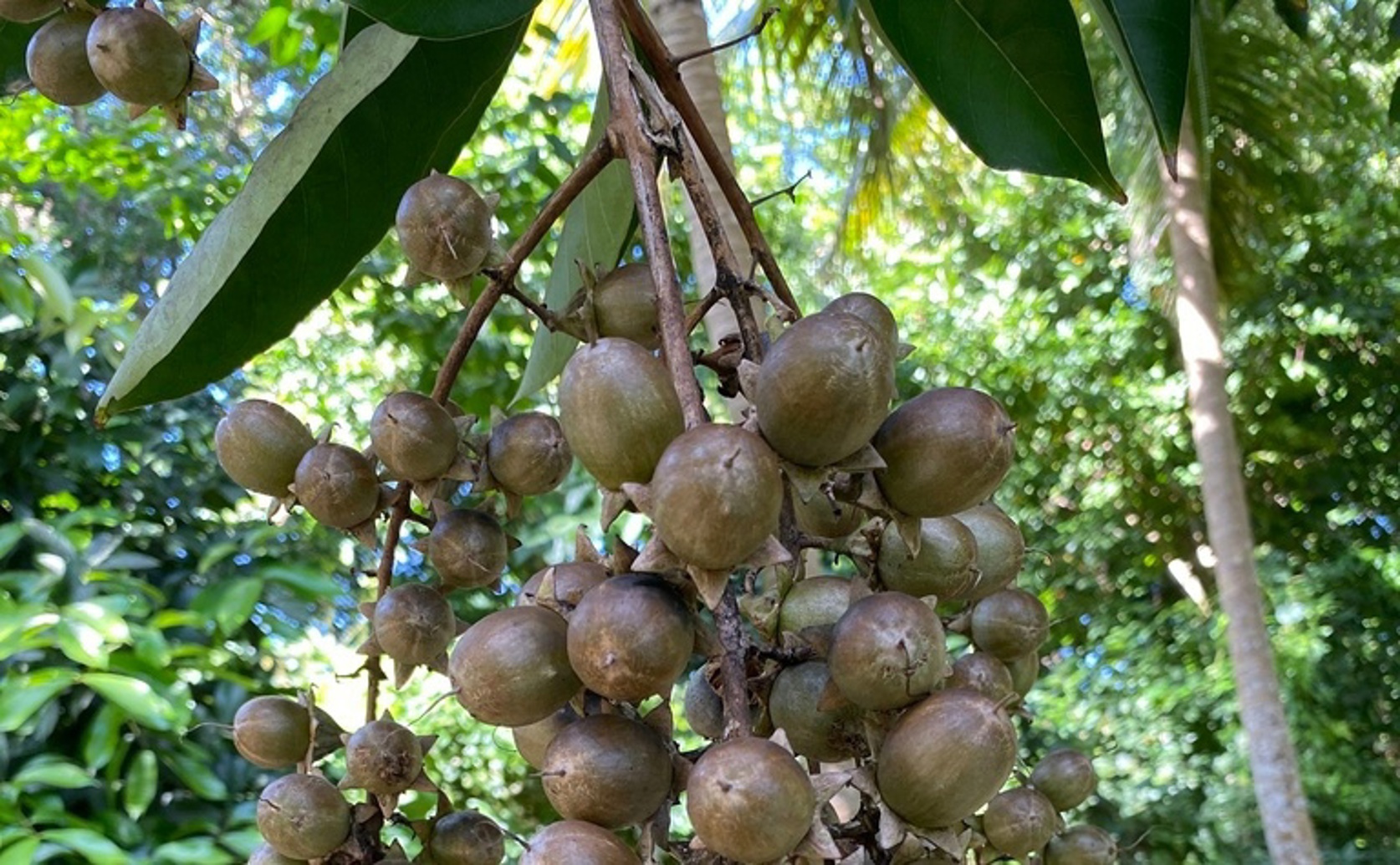
Giant Crepe-myrtle (Lagerstroemia speciosa)

Photo adapted from: Tamberly Conway / CC BY (Source)

Key Findings

  • Extracts from L. speciosa leaves, sourced from Bangladesh, contain high levels of beneficial compounds like phenolics and flavonoids
  • L. speciosa leaf extracts effectively neutralized harmful free radicals and demonstrated antibacterial activity against drug-resistant strains
  • Computer modeling suggests compounds in L. speciosa may inhibit enzymes related to diabetes and have potential anticancer properties
The increasing prevalence of noncommunicable diseases like diabetes and cancer, coupled with the rise of antibiotic-resistant bacteria, presents a significant global health challenge. Traditional medicine, drawing on natural resources, offers a potential avenue for discovering new treatments. Lagerstroemia speciosa (L. speciosa) Linn., a plant traditionally used in various cultures, has shown promise in managing these conditions, but comprehensive scientific investigation is often lacking. Researchers from the University of Rajshahi, Primeasia University, Dhaka Medical College Hospital, and Universidade Federal do Para[1] recently undertook a detailed study of L. speciosa leaf extracts to identify and characterize their bioactive properties, using both laboratory experiments and computer simulations. The core problem this research addresses is the need for effective, naturally-derived compounds to combat disease and drug resistance. While traditional use suggests potential benefits, rigorous scientific validation is crucial before any plant-based remedy can be considered for wider application. This study aimed to move beyond simply observing effects to understanding which compounds are responsible and how they work. The researchers prepared extracts from L. speciosa leaves using different organic solvents – methanol and ethanol – and then analyzed their chemical composition. They found that methanol and ethanol extracts contained the highest levels of total phenolics, flavonoids, and proanthocyanidins, compounds known for their potential health benefits. These compounds are particularly effective due to their chemical structure and ability to interact with biological systems. The study then assessed the extracts’ ability to neutralize harmful molecules called free radicals. Free radicals are unstable molecules that can damage cells, contributing to oxidative stress[2][3] – an imbalance between the production of these damaging molecules and the body’s ability to counteract them. The ethanol extract demonstrated a strong ability to ‘scavenge’ free radicals, effectively reducing oxidative stress. Importantly, the methanol extract exhibited significant antibacterial activity against multidrug-resistant strains of Escherichia coli and Staphylococcus aureus. This is particularly noteworthy given the growing threat of antibiotic resistance, where existing drugs are becoming less effective. The extract also showed moderate antifungal activity against Candida albicans and Saccharomyces cerevisiae. Further testing revealed that the extracts were moderately toxic to brine shrimp, suggesting a potential anticancer effect. This toxicity is thought to be due to compounds like ellagic acid and gallic acid, which are known to interfere with cancer cell growth. Beyond these effects, the methanol and ethanol extracts were tested for their ability to inhibit α-amylase and α-glucosidase, enzymes involved in carbohydrate digestion. Both extracts significantly reduced the activity of these enzymes, comparable to the standard antidiabetic drug acarbose. This suggests that L. speciosa extracts could help manage diabetes by slowing down carbohydrate breakdown and reducing blood sugar spikes after meals. To support these experimental findings, the researchers used computer simulations – a process called molecular docking – to predict how the bioactive compounds in the extracts interact with relevant biological targets. These simulations, combined with ADME (Absorption, Distribution, Metabolism, and Excretion) pharmacokinetic studies, provided further evidence for the observed antioxidant, antimicrobial, antidiabetic, and chemopreventive activities. This in silico approach helps to understand the mechanisms of action and predict how the compounds would behave in the body. Previous research has highlighted the importance of identifying natural antioxidants[2][3], as synthetic options can sometimes be harmful. The study by builds on this by identifying specific compounds within L. speciosa that demonstrate robust antioxidant activity, offering a potentially safer alternative. The antimicrobial findings also align with earlier studies demonstrating the potential of medicinal plant extracts to combat drug-resistant pathogens[4], and the current research provides a more detailed analysis of the compounds responsible for these effects.

MedicineBiochemPlant Science

References

Main Study

1) Integrating bioactivity and molecular simulations to explore the pharmacological landscape of Lagerstroemia speciosa leaf extract

Published 29th December, 2025

https://doi.org/10.1371/journal.pone.0339566


Related Studies

2) Oxidative stress, prooxidants, and antioxidants: the interplay.

https://doi.org/10.1155/2014/761264


3) Free radicals, antioxidants and functional foods: Impact on human health.

https://doi.org/10.4103/0973-7847.70902


4) Extraction methods and bioautography for evaluation of medicinal plant antimicrobial activity.

Journal: Letters in applied microbiology, Issue: Vol 30, Issue 5, May 2000


Related Articles

An unhandled error has occurred. Reload 🗙