Uncovering the anti-inflammatory potential of amaranth as a functional livestock feed.

Jenn Hoskins
31st December, 2025

Uncovering the anti-inflammatory potential of amaranth as a functional livestock feed.

This study identifies Amaranth (Amaranthus hypochondriacus) as a source of potent bioactive compounds with significant anti-inflammatory potential, supporting its use as a functional feed to improve immune regulation in livestock.

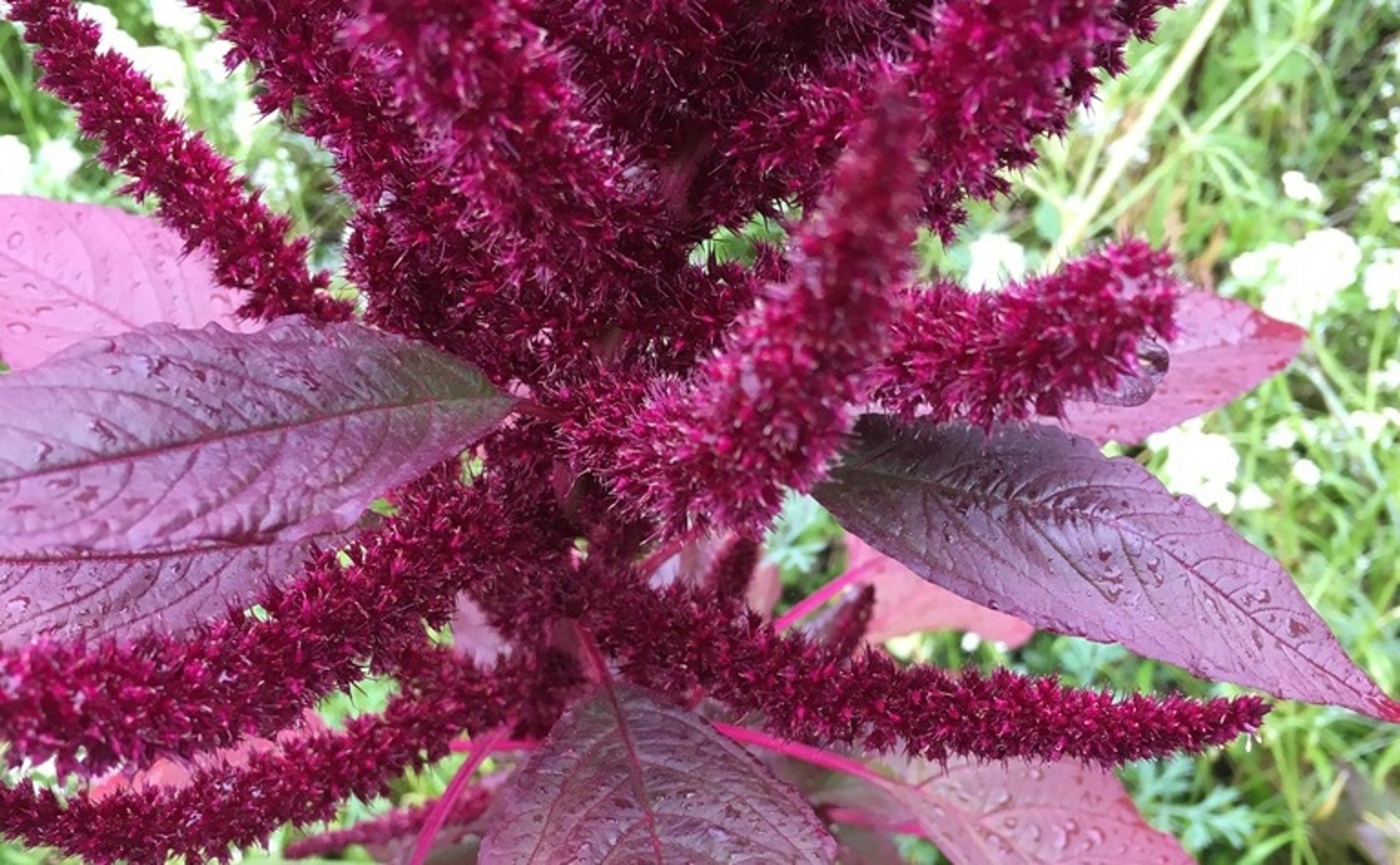
Public Domain Photograph

Key Findings

  • Amaranth, studied in China, contains compounds with potential to reduce inflammation in livestock, offering a sustainable feed option
  • Key compounds like ferulic, isoferulic, and sinapic acids target inflammation by interacting with vital cell processes like ATP binding
  • Molecular modeling suggests these compounds strongly bind to inflammatory proteins IL6 and MMP9, potentially disrupting the inflammatory response
Amaranth, a plant historically used in traditional medicine, is gaining attention for its potential benefits in livestock health. A key challenge in modern animal husbandry is optimizing feed resources while maintaining animal wellbeing and productivity. Inflammation in animals can significantly reduce these factors, leading to economic losses and welfare concerns. Researchers at Beijing University of Agriculture, RMIT University, and Wuhan Polytechnic University[1] recently investigated the anti-inflammatory properties of amaranth to explore its use as a feed additive. The study focused on identifying the specific compounds within amaranth responsible for its anti-inflammatory effects and understanding how these compounds interact with the animal’s body at a molecular level. This was achieved through a two-pronged approach: metabolomics and network pharmacology. Metabolomics involves identifying and quantifying all the small molecules (metabolites) present in a sample – in this case, amaranth at different stages of growth. Network pharmacology then uses this data to predict how these metabolites interact with various biological pathways and potential drug targets within an animal. Using LC-MS/MS (Liquid Chromatography-Mass Spectrometry/Mass Spectrometry) the researchers identified 266 different metabolites in amaranth. Several key compounds stood out, including ferulic acid, isoferulic acid, sinapic acid, and 13-HODE. These are all known to possess biological activity, and their presence suggested a potential for anti-inflammatory effects. To confirm this, the team screened for 132 targets related to inflammation and found that the identified metabolites were involved in crucial processes like ATP binding (the energy source for cells), the inflammatory response itself, and the PI3K-Akt/MAPK signaling pathways – pathways that regulate inflammation. The study didn't stop at simply identifying these compounds and their associated pathways. Researchers also used computer modeling techniques – molecular docking and molecular dynamics simulations – to predict how well the key compounds would bind to specific inflammatory targets like IL6 and MMP9. These simulations showed strong interactions, suggesting that the compounds could effectively interfere with the inflammatory process. This research builds on earlier work highlighting the potential of alternative feed sources. For example, a review of tomato pomace[2] found it to be a rich source of proteins, fats, and antioxidant compounds, demonstrating its potential to improve animal health and reduce feed waste. Similarly, investigations into grain amaranths[3] revealed their high protein and oil content compared to conventional cereals, making them a viable alternative feed ingredient. However, these studies focused primarily on the nutritional content and growth performance benefits. The current study goes further by pinpointing the mechanisms behind amaranth’s potential benefits – specifically, its anti-inflammatory activity. The findings align with broader concerns about global food security and the need to optimize feed resources[4]. As the global population increases, demand for food is expected to rise significantly, potentially by 35% to 56% by 2050. This necessitates exploring alternative feed ingredients that are both nutritious and beneficial for animal health. Using amaranth as a biofunctional feed, rich in phenolic acids and fatty acids, could contribute to these goals. The study suggests that incorporating amaranth into livestock diets could help reduce inflammation, improve animal wellbeing, and potentially enhance the overall efficiency of food production.

MedicineBiochemPlant Science

References

Main Study

1) A screening strategy for bioactive components from Amaranth: An integrated approach of network pharmacology, molecular docking and molecular dynamics simulation

Published 26th December, 2025

https://doi.org/10.1371/journal.pone.0338443


Related Studies

2) Sustainable Valorization of Tomato Pomace (Lycopersicon esculentum) in Animal Nutrition: A Review.

https://doi.org/10.3390/ani12233294


3) Amaranthus grain as a new ingredient in diets for dairy cows: productive, qualitative, and in vitro fermentation traits.

https://doi.org/10.1002/jsfa.11761


4) A meta-analysis of projected global food demand and population at risk of hunger for the period 2010-2050.

https://doi.org/10.1038/s43016-021-00322-9


Related Articles

An unhandled error has occurred. Reload 🗙