Chiliadenus montanus extracts may hold promise for lung cancer treatment

Jenn Hoskins
28th September, 2025

Chiliadenus montanus extracts may hold promise for lung cancer treatment

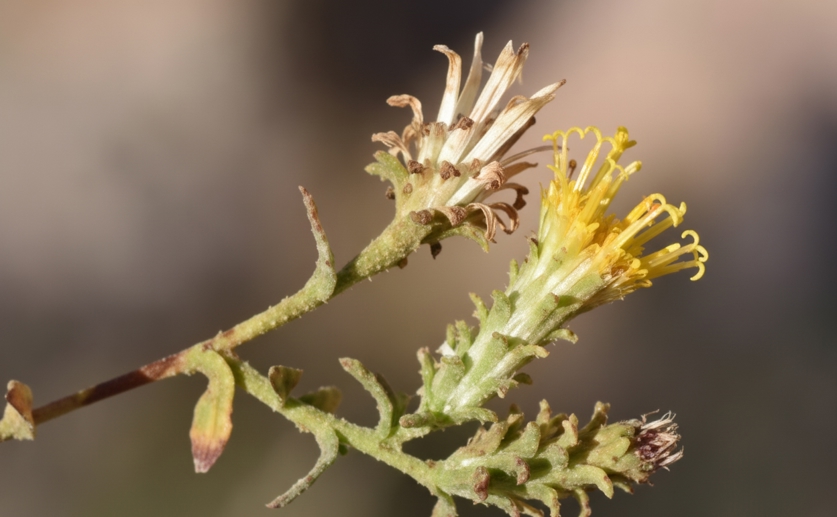
Chiliadenus montanus, a perennial herb studied for its potential anticancer properties.

Photo adapted from: Castillo et al. / CC BY (Source)

Key Findings

  • In Jordan, Chiliadenus montanus plant extracts contain diverse compounds with potential medicinal value
  • Ethanol extract from the plant showed strong antioxidant activity and selectively killed lung cancer cells in lab tests
  • A nanoemulsion formulation was successfully created to deliver the extract effectively, maintaining stability for potential lung cancer therapy
Lung cancer remains a significant global health challenge, demanding innovative treatment strategies. Traditional medicine offers a rich source of potential therapies, and plants with known pharmacological properties are often investigated for their anticancer potential. Recent research from Al-Zaytoonah University of Jordan, The University of Jordan, and University of Belgrade[1] focuses on Chiliadenus montanus, a plant historically used in Mediterranean medicine, to explore its efficacy against lung cancer cells and to develop a more effective delivery method. The study began by examining the chemical composition of C. montanus. Extracts were created using different solvents – ethanol, water, petroleum ether, chloroform, and methanol – and then analyzed for key compounds like phenols and flavonoids, which are known for their antioxidant and potential anticancer activities. Antioxidant activity was also directly measured. The results showed that the ethyl acetate fraction contained the highest levels of phenols and flavonoids, while the ethanol extract exhibited the strongest antioxidant effect and showed a selective ability to kill H1299 lung cancer cells in laboratory settings. This selective cytotoxicity is important, as it suggests the extract harms cancer cells more than healthy cells. Further analysis of the ethanol extract identified three major compounds: nevadensin, chlorogenic acid, and sorbifolin. These compounds are thought to contribute to the observed pharmacological effects. Additionally, volatile compounds – those that easily evaporate – were identified using gas chromatography-mass spectrometry (GC-MS). α-phellandrene, 1,8-cineole, and α-cadinol were found to be the most prominent, with 1,8-cineole being the main component responsible for the plant’s aroma. This detailed chemical profiling builds upon earlier work demonstrating the presence of flavonoids, terpenes, and essential oils in the Chiliadenus genus[2], supporting the traditional use of these plants for medicinal purposes. However, simply identifying active compounds isn’t enough. Delivering these compounds effectively to the lungs, where they can target cancer cells, is a major hurdle. Traditional drug delivery methods often face challenges like poor stability, limited absorption, and systemic side effects. To address this, the researchers focused on developing nanoemulsions (NEs). NEs are incredibly small mixtures of oil, water, and a surfactant (which helps mix the oil and water) that can encapsulate drugs and improve their delivery[3]. The researchers used a technique called spontaneous emulsification to create NEs containing the ethanol extract of C. montanus. They varied the concentrations of different ingredients – ethanol extract, surfactant, cosurfactant, and oil phase – to find the optimal formulation. The goal was to create a stable NE that could be effectively inhaled and reach the lungs. The resulting NE, labeled S4, demonstrated excellent stability, a pH appropriate for the lungs, and a droplet size of less than 100 nanometers. This small size is crucial, as it allows the NEs to penetrate deep into the lung tissue[4]. The study highlights the potential of C. montanus as a source of anticancer compounds and demonstrates a promising approach to delivering these compounds directly to lung cancer cells via nanoemulsions. The findings suggest that C. montanus NEs could offer a stable and effective pulmonary drug delivery system for lung carcinoma therapy.

MedicineBiochemPlant Science

References

Main Study

1) Phytochemical characterization, anticancer potential, and nanoemulsion-based delivery of Chiliadenus montanus

Published 26th September, 2025

https://doi.org/10.1371/journal.pone.0333482


Related Studies

2) The Genus Chiliadenus: A Comprehensive Review of Taxonomic Aspects, Traditional Uses, Phytochemistry and Pharmacological Activities.

https://doi.org/10.3390/plants14020205


3) Recent exploration of nanoemulsions for drugs and cosmeceuticals delivery.

https://doi.org/10.1111/jocd.14704


4) Solid Lipid Nanoparticles (SLN) and Nanostructured Lipid Carriers (NLC) for pulmonary application: a review of the state of the art.

https://doi.org/10.1016/j.ejpb.2013.08.013


Related Articles

An unhandled error has occurred. Reload 🗙