Tangerine peel compounds show promise in blocking sugar breakdown enzymes

Jim Crocker
17th January, 2026

Tangerine peel compounds show promise in blocking sugar breakdown enzymes

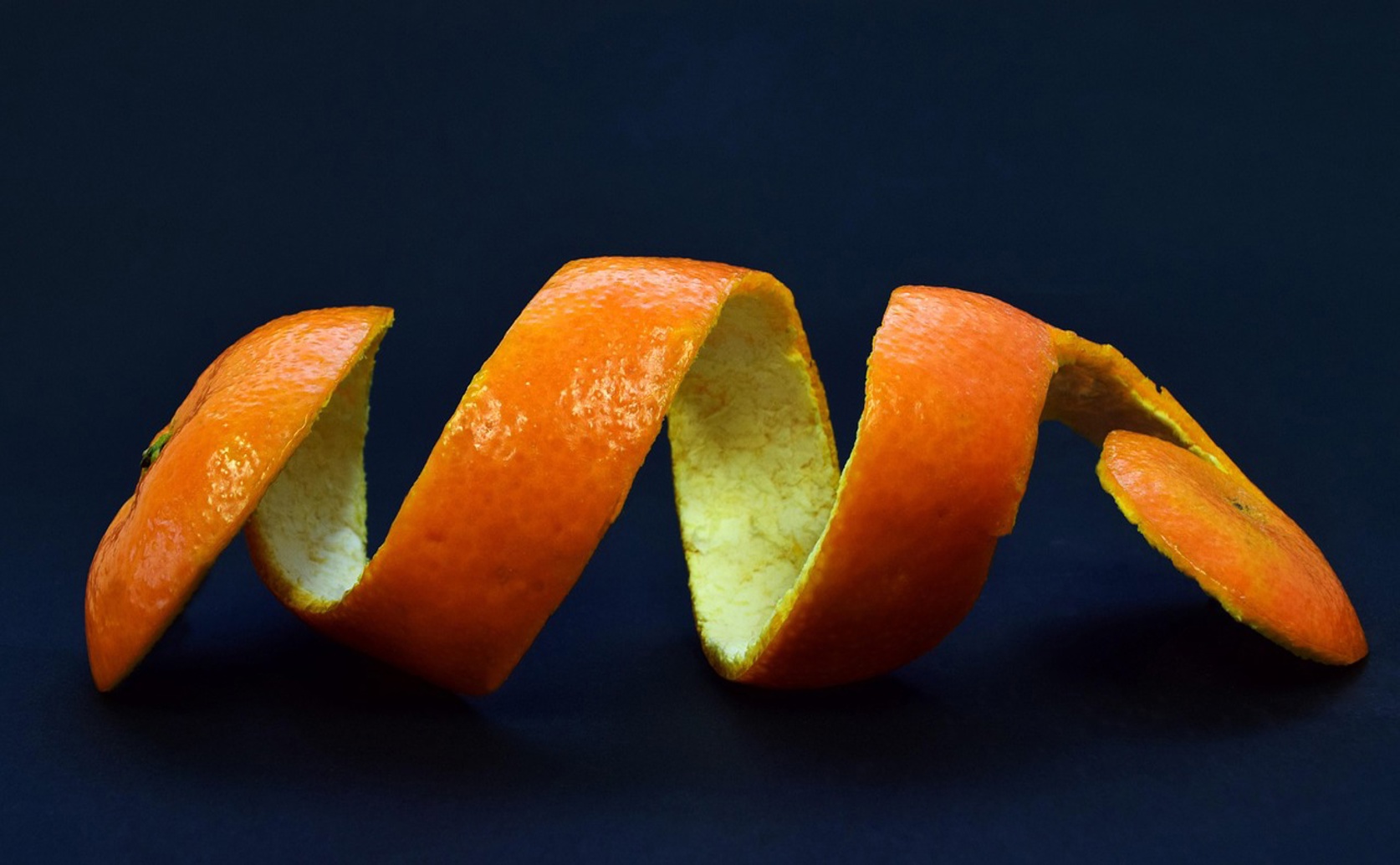
Tangerine peel

Pixabay

Key Findings

  • Research from Beijing Tongrentang & Hong Kong Baptist University identified 84 compounds in tangerine peel with potential blood sugar-lowering effects
  • Most of the active compounds found in tangerine peel were multimethoxy flavonoids (PMFs), known for antioxidant and anti-inflammatory properties
  • These compounds work by inhibiting α-glucosidase, an enzyme that slows carbohydrate digestion and glucose absorption, likely contributing to the peel’s hypoglycemic effects
Citri Reticulatae Pericarpium, commonly known as tangerine peel, has a long history of use in traditional medicine, and recent research suggests it may help lower blood sugar levels. However, the specific compounds responsible for this effect, and how strongly they work, remained unknown. A team from Beijing Tongrentang & Hong Kong Baptist University[1] set out to identify these active ingredients and understand their mechanism of action. The study focused on α-glucosidase, an enzyme that breaks down carbohydrates in the digestive system. Inhibiting this enzyme slows down glucose absorption, which can help manage blood sugar. Researchers used a two-step process to pinpoint the compounds within tangerine peel responsible for this inhibition. First, they employed “affinity ultrafiltration,” a technique that selectively isolates molecules that bind to α-glucosidase. This essentially filtered out the components with potential inhibitory activity. Second, they used advanced technology called UPLC-ESI-Orbitrap-MS to identify the chemical structures of these isolated molecules. UPLC-ESI-Orbitrap-MS separates and identifies compounds based on their mass and electrical charge, providing a detailed molecular fingerprint. This analysis revealed a surprisingly large number of active compounds – 84 in total – that could inhibit α-glucosidase. The majority of these were multimethoxy flavonoids (PMFs). These are plant-based compounds known for their antioxidant and anti-inflammatory properties. The researchers concluded that blocking α-glucosidase activity is likely a key way tangerine peel exerts its blood sugar-lowering effects. Importantly, this study was the first to directly demonstrate the hypoglycemic (blood sugar lowering) activity and potential anti-diabetes value of these PMFs found in tangerine peel. This finding aligns with previous research on citrus fruits and their bioactive components. For example, studies have shown that various citrus essential oils, including those from lemons, limes, and mandarins, possess anti-inflammatory properties[2]. While that study focused on inflammation, it identified limonene as a key active compound, suggesting that citrus fruits contain a variety of pharmacologically relevant molecules. Furthermore, research on extracts from Citrus reticulata peels, specifically those rich in nobiletin, demonstrated benefits for learning and memory, linked to stimulation of a specific cellular signaling pathway[3]. The current study builds on this understanding by identifying a different set of active compounds – PMFs – and a distinct mechanism of action – α-glucosidase inhibition – contributing to the overall health benefits of citrus fruits. It also complements research showing that PMFs can protect skeletal muscle from damage[4] and enhance mitochondrial function[5]. The latter study, for instance, focused on tangeretin, a specific PMF, and its ability to improve exercise performance by boosting mitochondrial biogenesis – the creation of new mitochondria within cells. The identification of these 84 α-glucosidase inhibitors, predominantly PMFs, provides a strong foundation for further research. Future studies could investigate the individual and combined effects of these compounds, optimize extraction methods to maximize their concentration, and explore their potential use in developing new treatments for diabetes and related metabolic disorders.

MedicineBiochemPlant Science

References

Main Study

1) Global profiling of α-glucosidase inhibitors from Citri Reticulatae Pericarpium based on affinity ultrafiltration screening coupled with UPLC-ESI-Orbitrap-MS method

Published 13th January, 2026

https://doi.org/10.1371/journal.pone.0340990


Related Studies

2) Anti-Inflammatory Properties and Chemical Characterization of the Essential Oils of Four Citrus Species.

https://doi.org/10.1371/journal.pone.0153643


3) Potent activity of nobiletin-rich Citrus reticulata peel extract to facilitate cAMP/PKA/ERK/CREB signaling associated with learning and memory in cultured hippocampal neurons: identification of the substances responsible for the pharmacological action.

https://doi.org/10.1007/s00702-013-1025-x


4) Polymethoxyflavones in orange peel extract prevent skeletal muscle damage induced by eccentric exercise in rats.

https://doi.org/10.1093/bbb/zbaa036


5) Citrus Tangeretin Improves Skeletal Muscle Mitochondrial Biogenesis via Activating the AMPK-PGC1-α Pathway In Vitro and In Vivo: A Possible Mechanism for Its Beneficial Effect on Physical Performance.

https://doi.org/10.1021/acs.jafc.8b04124


Related Articles

An unhandled error has occurred. Reload 🗙