
Potato growth is unexpectedly preserved during co-attack by the fall armyworm and a bacterial pathogen.
Jim Crocker
28th December, 2025


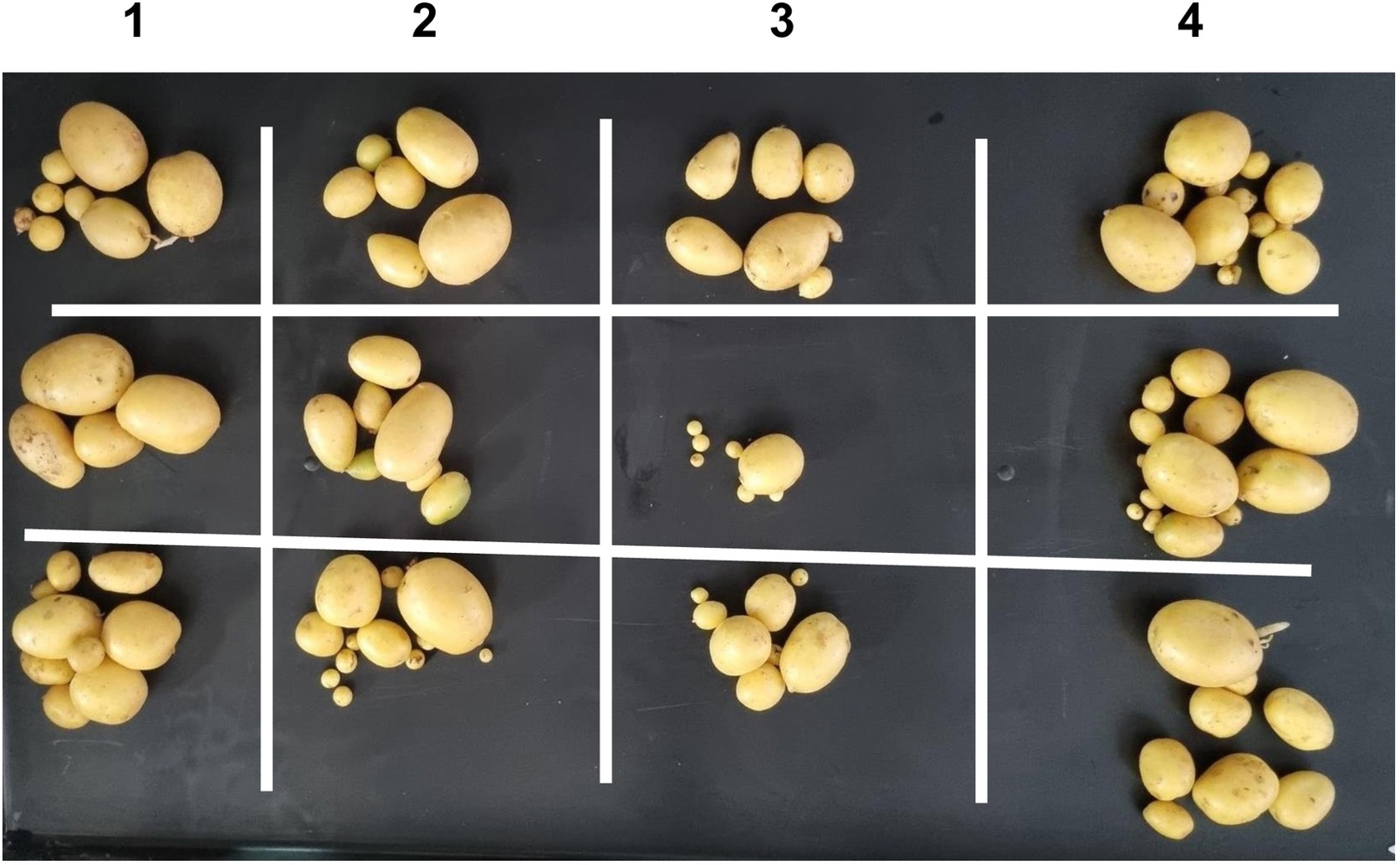
While potato tuber weight was reduced by either the bacterium Pseudomonas syringae pv. tomato (2) or the fall armyworm Spodoptera frugiperda (3) alone compared to the control (1), this negative effect was negated when both parasites were present (4), suggesting an antagonistic interaction.
Key Findings
- In South Africa, potato seedlings are vulnerable to fall armyworm (FAW) and Pseudomonas syringae pv. tomato (Pst) which reduce growth and yield
- FAW individually reduced plant height, stem diameter, and tuber weight, but this negative impact was lessened when Pst was also present, suggesting a possible interaction
- Both FAW and Pst altered the potato plants’ internal chemistry (metabolome), indicating a stress response, with the combination of both potentially reducing FAW’s effects
AgricultureEcologyPlant Science
References
Main Study
1) Pseudomonas syringae pv. tomato and the fall armyworm modulate the morpho-physiology and the metabolome of potato plants
Published 26th December, 2025
https://doi.org/10.1371/journal.pone.0324111
Related Studies
2) Impact of Rice and Potato Host Plants Is Higher on the Reproduction than Growth of Corn Strain Fall Armyworm, Spodoptera frugiperda (Lepidoptera: Noctuidae).
3) Isolation of Pseudomonas syringae pv. Tomato strains causing bacterial speck disease of tomato and marker-based monitoring for their virulence.
4) Pseudomonas syringae pv. tomato: the right pathogen, of the right plant, at the right time.
Related Articles
 8th October, 2025 | Greg Howard