Hiding messages in RNA sequences using secure codes and random numbers

Jim Crocker
11th December, 2025

Hiding messages in RNA sequences using secure codes and random numbers

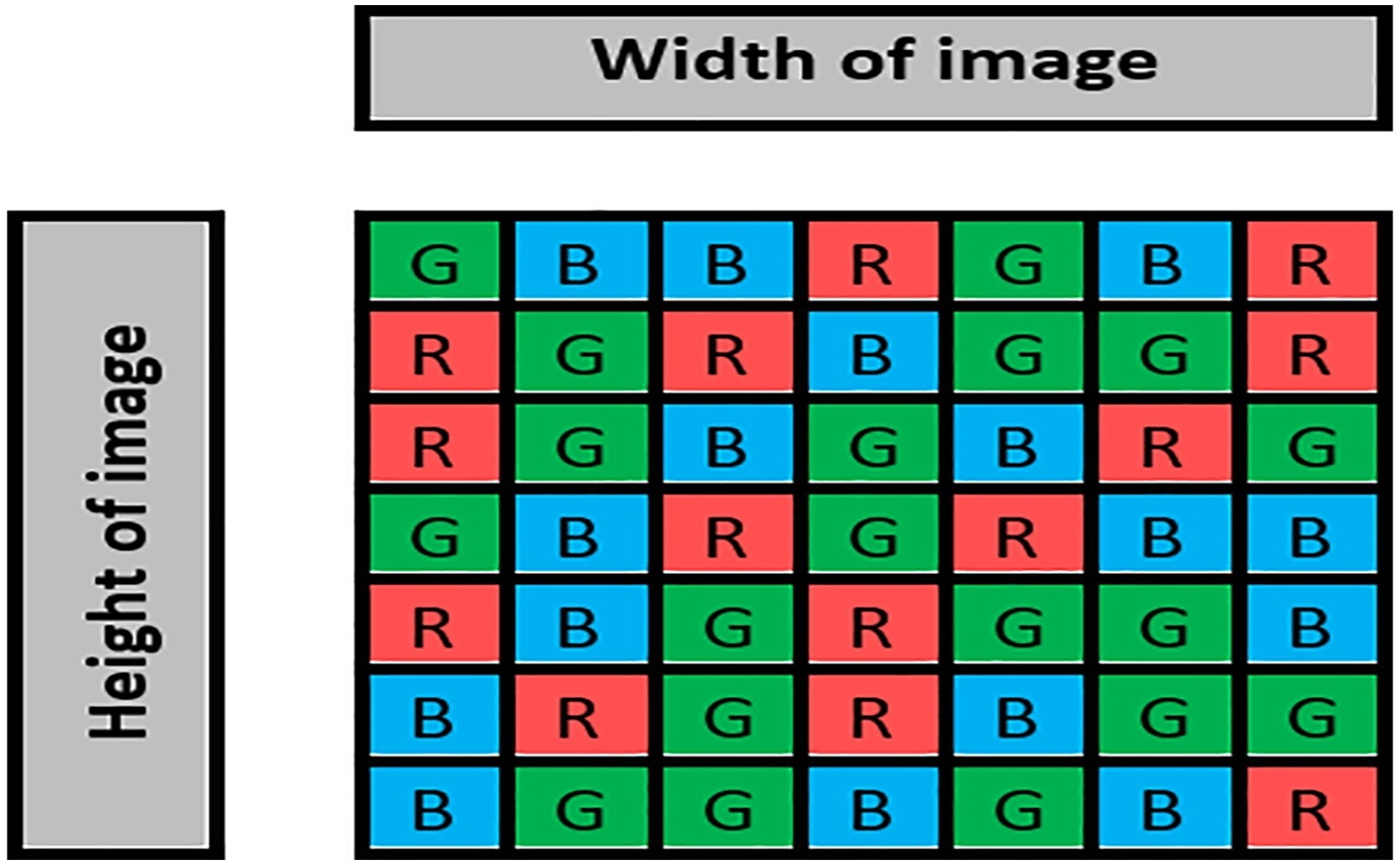
Codebook table from study.

Image adapted from: Hamad et al. / CC BY (Source)

Key Findings

  • This Iraqi study developed a new method to protect text data by combining encryption and steganography
  • The encryption process converts text into RNA sequences, then to binary code using a randomly generated key for security
  • The system hides the encrypted data within an image by altering the least significant bits of its pixels, making detection difficult
The increasing power of computers and the development of new technologies pose a significant threat to traditional methods of data security. Encryption, the process of scrambling data to make it unreadable without a key, is a cornerstone of modern security, but increasingly sophisticated attacks are challenging its effectiveness. A common approach to bolster security is to combine encryption with steganography – the practice of hiding the existence of a message itself. Recent research from the University of Anbar and University of Baghdad[1] explores a novel combination of these techniques to enhance data protection. The study proposes a system where a message is first encrypted and then concealed within an image. This dual-layer approach aims to provide a more robust defense against unauthorized access. The encryption component of the system operates in five distinct stages. Initially, the message is translated into a sequence of RNA (Ribonucleic acid) building blocks. RNA was chosen as a basis for the initial conversion, and a table is constructed to facilitate this process. This RNA sequence is then converted into decimal numbers, which are subsequently transformed into binary code – the language of computers, consisting of 0s and 1s. A crucial element of the encryption process is the generation of a key. The researchers employed True Random Number Generators (TRNGs) to create this key. TRNGs are algorithms designed to produce genuinely unpredictable sequences, unlike pseudorandom number generators which, while appearing random, are based on deterministic formulas. Once the key is generated, it's combined with the binary-encoded message using an XOR operation. XOR (Exclusive OR) is a logical operation that compares the binary digits of the message and the key; if the digits are different, the result is 1, and if they are the same, the result is 0. The output of this XOR operation forms the ciphertext – the encrypted message. The steganography component then hides this ciphertext within an image. This is achieved through a two-step process. First, a codebook table is created to determine which parts of the image’s pixels will be used to store the ciphertext’s bits. Each pixel contains information for red, green, and blue color components. The method randomly selects one of these color components for each bit of the ciphertext. Finally, the least significant bit (LSB) of the selected color component is altered to represent the ciphertext bit. Modifying the LSB has a minimal impact on the image’s visual appearance, making the hidden message difficult to detect. This approach builds on earlier work exploring the use of biological sequences for cryptographic purposes[2]. That study demonstrated the potential of DNA sequences, readily available in genetic databases, as a source of random keys for One Time Pad cryptosystems. The current research extends this concept by utilizing RNA instead of DNA, and integrating it within a more comprehensive security framework that includes steganography. The use of TRNGs for key generation, as opposed to solely relying on mathematical operations and chaotic functions as in[2], further enhances the unpredictability of the encryption process. The researchers claim their method offers an efficient solution for securing data and can be applied in various fields, including information security and privacy protection. The combination of encryption and steganography, coupled with the use of RNA sequences and TRNGs, represents a promising advancement in the ongoing effort to protect sensitive information from increasingly sophisticated cyber threats.

BiotechGeneticsBiochem

References

Main Study

1) Text cryptography and steganography based on RNA sequences generation, true random number generators, and codebook method

Published 9th December, 2025

https://doi.org/10.1371/journal.pone.0338700


Related Studies

2) Generation of random sequences using DNA cryptography for OTP encryption.

https://doi.org/10.1016/j.biosystems.2023.105064


Related Articles

An unhandled error has occurred. Reload 🗙