New system helps track bat deaths at wind farms

Jenn Hoskins
10th November, 2025

New system helps track bat deaths at wind farms

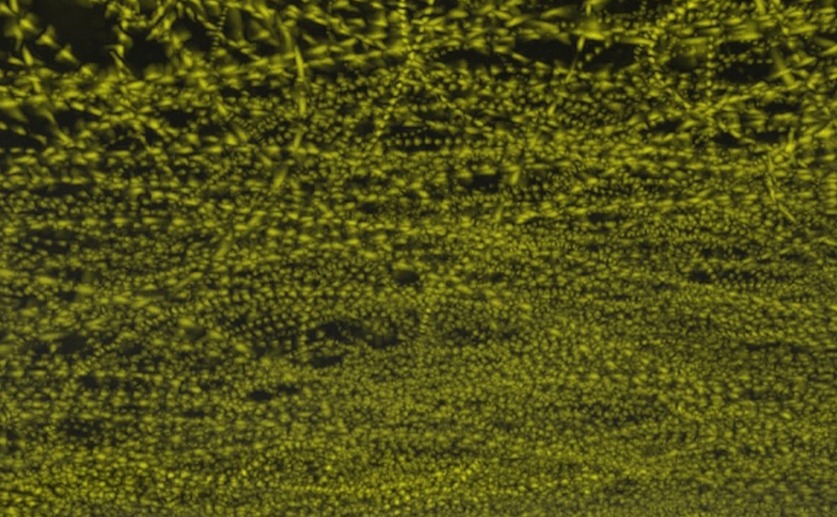
Bat activity tracks detected by a thermal camera system positioned below the rotor swept area of a wind turbine, demonstrating the potential for this technology to monitor bat behavior in a previously unstudied zone.

Image adapted from: Weaver et al. / CC BY (Source)

Key Findings

  • This Texas wind farm study tested a new system using thermal cameras below turbine blades to find bat fatalities
  • Machine learning accurately identified potential bat fatalities from camera data, aligning with carcasses found during standard searches
  • The camera system detected significant bat activity below the turbines, suggesting a need to expand monitoring beyond the rotor area
Bat fatalities at wind turbines are a significant concern for conservation efforts, particularly for migratory tree-dependent species[2]. Traditional methods for assessing these fatalities rely on ground searches for carcasses, a process that is both time-consuming and often misses a substantial number of actual events. This is because locating carcasses can be difficult, and search efforts are often limited by terrain and weather conditions. Researchers at Bowman Consulting, Wildlife Imaging Systems, and King Fahd University of Petroleum & Minerals have been working to improve fatality detection using new technologies. A recent study[1] investigated the use of thermal cameras and machine learning to automatically detect bat fatalities at wind turbines. Thermal cameras detect heat signatures, allowing them to “see” animals even in darkness. The researchers focused the cameras below the rotor swept area (RSA) – the space through which the turbine blades rotate – a location where fatalities are likely to occur but are difficult to observe directly. The core of the study was to determine if a system combining these cameras with machine learning algorithms could effectively identify potential fatalities. The study was conducted at two wind turbines in southern Texas. Each turbine was equipped with two thermal cameras, and the system recorded continuously during standard post-construction monitoring (PCM). PCM is a regulatory requirement to assess the impact of wind farms on wildlife. The cameras generated a massive amount of data – over 274,000 bat tracks were recorded. These tracks represent the heat signatures of bats flying within the camera’s view. Machine learning algorithms were then used to analyze this data, identifying 189 tracks as potential bat fatalities. These algorithms are designed to recognize patterns indicative of a collision, such as a sudden disappearance of a heat signature. To validate the algorithm’s accuracy, researchers manually reviewed 10-minute summaries of the video footage. This manual review confirmed 23 of the algorithm-identified tracks as possible fatalities. Crucially, these 23 events corresponded with actual bat carcasses discovered during ground searches, and the timing of the camera detection aligned with the estimated time of death. This research builds on earlier work that highlighted the importance of understanding bat behavior around turbines[3][4][5]. For example, studies have shown that bats are more active at lower wind speeds and are often attracted to turbines, potentially by air currents or visual cues[4]. Understanding when and where bats are most at risk is crucial for developing effective mitigation strategies. The current study doesn’t directly address why bats are vulnerable, but it provides a more efficient way to gather data about how fatalities occur. The findings demonstrate that the camera system, combined with the machine learning algorithm, can successfully identify potential bat fatalities. The primary benefit of this system is its ability to rapidly process large volumes of video data, pinpointing areas where searchers should focus their efforts. This could significantly reduce the time and resources required for traditional carcass searches. Furthermore, the technology has potential applications in challenging environments, such as offshore wind farms, where traditional search methods are impractical. Previous research has also explored curtailment – slowing or stopping turbines under certain conditions – as a way to reduce bat fatalities[2]. However, determining the optimal curtailment strategies requires detailed information about bat activity and risk. This new technology could provide the data needed to refine these strategies, potentially reducing both bat fatalities and energy production losses. The algorithm-based curtailment strategies discussed in[3] could be further refined with the data provided by this new system.

EnvironmentWildlifeEcology

References

Main Study

1) Testing a bat fatality detection system at wind turbines

Published 7th November, 2025

https://doi.org/10.1371/journal.pone.0334609


Related Studies

2) A review of the effectiveness of operational curtailment for reducing bat fatalities at terrestrial wind farms in North America.

https://doi.org/10.1371/journal.pone.0256382


3) Drivers of bat activity at wind turbines advocate for mitigating bat exposure using multicriteria algorithm-based curtailment.

https://doi.org/10.1016/j.scitotenv.2023.161404


4) Behavior of bats at wind turbines.

https://doi.org/10.1073/pnas.1406672111


5) Behavioral patterns of bats at a wind turbine confirm seasonality of fatality risk.

https://doi.org/10.1002/ece3.7388


Related Articles

An unhandled error has occurred. Reload 🗙