How Public Involvement Helps Restore Rockfish Populations

Jenn Hoskins
11th September, 2025

How Public Involvement Helps Restore Rockfish Populations

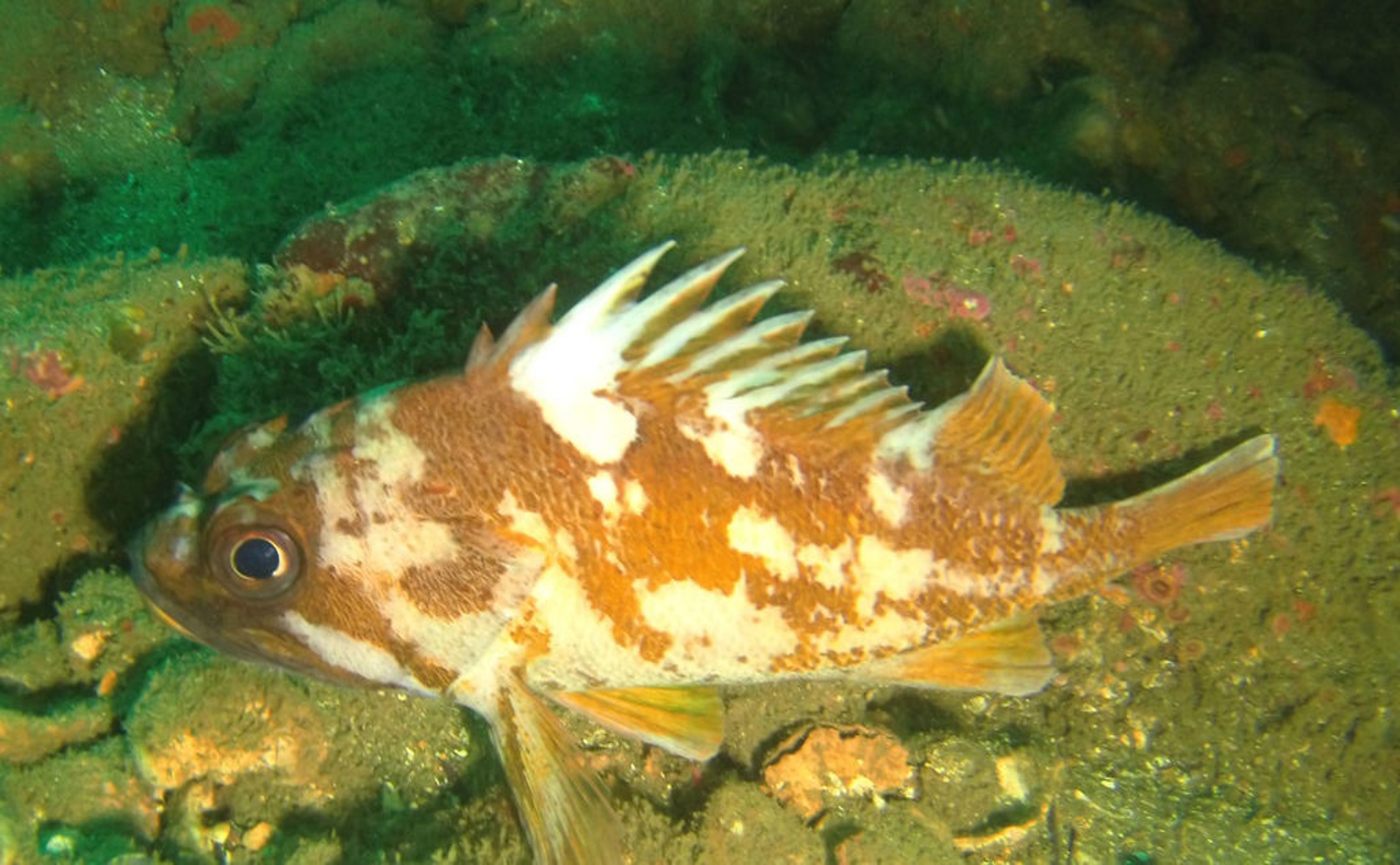
Rockfishes (Sebastes)

Photo adapted from: Michael Bear / CC BY (Source)

Key Findings

  • Washington State’s rockfish recovery programs, initiated after an ESA listing in 2010, involved a decade of public education and outreach
  • Effective rockfish recovery requires a varied outreach strategy to reach diverse audiences and achieve multiple goals like education and compliance
  • Collaboration between agencies and communities builds trust and shared responsibility, significantly improving conservation efforts
Protecting endangered species often relies on public support and cooperation, meaning natural resource agencies frequently engage with communities to raise awareness and encourage responsible behaviour. A recent study by researchers at the University of Washington, in collaboration with the National Marine Fisheries Service, Washington Department of Fish and Wildlife, Natural Resources Consultants, Inc., and MARE – Marine and Environmental Sciences Centre[1], investigated the effectiveness of outreach and engagement efforts surrounding the recovery of rockfish species (Sebastes spp.) in Washington State. These rockfish were listed under the Endangered Species Act (ESA), necessitating a large-scale public education campaign over a decade, from 2010 to 2022. The core problem addressed by the study was determining whether these extensive outreach programs were actually achieving their intended goals: increasing public understanding of rockfish recovery efforts and ensuring compliance with fishing regulations. Simply implementing programs isn’t enough; understanding their impact is crucial for efficient resource allocation and maximizing conservation success. The researchers employed a “mixed methods” approach, combining both qualitative and quantitative data. This meant they didn’t rely solely on numbers, but also gathered in-depth information through interviews with practitioners involved in the outreach programs. Surveys were used to assess anglers’ knowledge of rockfish management and regulations, and these results were compared to data collected around the time the rockfish were first listed as endangered, providing a baseline for measuring change. The study found that a single approach to outreach isn’t sufficient. Reaching diverse audiences and achieving multiple goals – such as education, compliance, and fostering a sense of stewardship – requires a varied “portfolio” of methods. This echoes findings from other areas of environmental management, where targeted communication strategies are often more effective than broad, one-size-fits-all approaches[2]. The Washington rockfish program utilized multiple avenues to reach different segments of the public, and the study highlights the value of this diversified strategy. A key finding was the importance of “community-engaged collaborations.” When agencies work directly with communities, rather than simply at them, it fosters trust and a shared responsibility for conservation. This collaborative approach facilitates a deeper understanding of the issues and encourages more meaningful participation. This aligns with the observations made in the California Collaborative Fisheries Research Program[3], where long-term engagement of anglers in research led to more positive opinions regarding marine resource management. The CCFRP demonstrated that involving stakeholders directly in the scientific process can significantly shift their perspectives. The study also underscored the need for strategic partnerships and “capacity-building.” This refers to providing resources and support to local organizations and individuals to enable them to participate effectively in outreach and engagement efforts. This is particularly important in areas where local ecological knowledge (LEK) is valuable, as seen in studies of bird and mammal identification in China[4], where older community members often possess a wealth of information about local species and ecosystems. While the Washington rockfish study didn't specifically focus on LEK, the principle of leveraging local expertise and fostering community ownership is similar. The researchers used the collected data to identify the strengths and weaknesses of past outreach efforts, aiming to provide practical guidance for future programs. The focus is on tailoring strategies to meet the evolving needs of rockfish recovery, recognizing that public perceptions and priorities can change over time.

EnvironmentWildlifeEcology

References

Main Study

1) Social-ecological goals and outcomes of public engagement for recovery of endangered and threatened rockfishes (Sebastes spp.)

Published 9th September, 2025

https://doi.org/10.1371/journal.pone.0331686


Related Studies

2) Evaluating public participation in environmental decision-making: EPA's superfund community involvement program.

Journal: Journal of environmental management, Issue: Vol 77, Issue 3, Nov 2005


3) Long-term participation in collaborative fisheries research improves angler opinions on marine protected areas.

https://doi.org/10.7717/peerj.10146


4) Shifting baselines on a tropical forest frontier: extirpations drive declines in local ecological knowledge.

https://doi.org/10.1371/journal.pone.0086598


Related Articles

An unhandled error has occurred. Reload 🗙