Microplastics: A high-risk threat to endangered River Dolphins

Jim Crocker
27th September, 2025

Microplastics: A high-risk threat to endangered River Dolphins

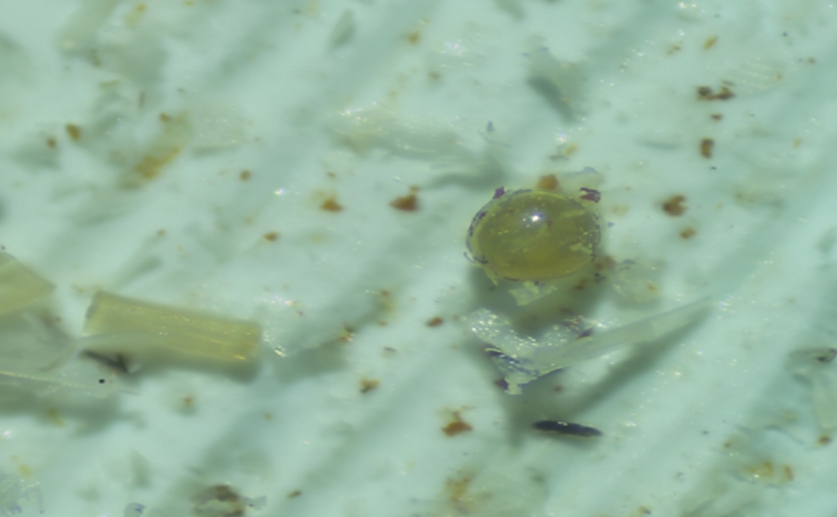
A tiny plastic bead found inside the stomach of an endangered Indus River dolphin, revealing a hidden pollution crisis.

Image adapted from: Ali et al. / CC BY (Source)

Key Findings

  • Indus River dolphins in Pakistan were found to have ingested an average of 286 microplastics, indicating widespread pollution exposure
  • Fibers were the most common type of microplastic found in the dolphins’ digestive systems, with PET being the dominant polymer
  • The small intestine contained a higher concentration of microplastics, likely due to its structure and length, and the study identified a medium to high ecological risk associated with these plastics
Microplastic pollution is a growing global problem, with plastic debris accumulating in ecosystems worldwide and posing potential risks to wildlife. As plastics break down, they form smaller pieces known as microplastics – generally defined as those less than 5mm in size – which can be ingested by a wide range of organisms. Cetaceans, such as whales and dolphins, are particularly vulnerable due to their position as top predators and their tendency to accumulate pollutants in their bodies. Recent research from Nanjing Normal University[1] investigated microplastic contamination in a critically endangered species, the Indus River dolphin (Platanista minor), to assess the extent of the problem and potential ecological risks. The study focused on five Indus River dolphins that had stranded along the Indus River between 2019 and 2022. Researchers examined the complete gastrointestinal tracts of these animals to identify and quantify the presence of microplastics. The findings revealed that microplastics were present in all five individuals, with an average of 286.4 microplastics per dolphin. This demonstrates that exposure to microplastic pollution is widespread within this population and likely occurs through multiple pathways, including the consumption of contaminated prey and accidental ingestion while feeding. The characteristics of the microplastics found were also analyzed. Fibers were the most common shape observed, with sizes ranging from 5mm down to 300µm. Polyethylene terephthalate (PET), a common plastic used in bottles and packaging, was the most frequently identified polymer type. Interestingly, the small intestine contained a higher concentration of microplastics compared to other parts of the digestive system, likely due to its length and structure which allows for greater retention of smaller particles. This research builds upon existing knowledge of microplastic pollution in aquatic environments. Studies have shown that rivers are a major pathway for plastic pollution into the ocean[2], with mismanaged waste being a primary source. While these studies often focus on macroplastics – larger plastic items – they also highlight the significant contribution of microplastics, particularly in regions with high sewage effluent[2]. The finding that PET is a dominant polymer in the Indus River dolphins’ digestive systems aligns with observations from other studies, indicating that commonly used plastics are a significant source of contamination. Furthermore, research on reservoir ecosystems has revealed that areas subject to fluctuating water levels, known as hydro-fluctuation belts, can act as both sinks and sources for microplastics[3]. This is because flooding can redistribute microplastics, concentrating them in certain areas but also potentially flushing them into the wider water body. While the study[3] focused on freshwater reservoirs, it demonstrates the complex dynamics of microplastic transport and accumulation, which are likely relevant to river systems like the Indus River as well. The Nanjing Normal University team went beyond simply identifying the presence of microplastics, conducting a polymer risk assessment to evaluate the potential ecological consequences for the Indus River dolphins. This assessment indicated a medium to high risk (Levels III and IV) associated with exposure to these specific microplastic polymers. The study represents a crucial baseline assessment of microplastic pollution impacting this endangered species, providing valuable data for conservation efforts. The researchers emphasize the need for further investigation into the ecotoxicological effects of microplastics on Indus River dolphins. Understanding how these particles interact with the dolphins’ physiology and immune system is critical for developing effective mitigation strategies. The observed ingestion of microplastics, and the resulting tissue abrasions reported in coral studies[4], suggests that these particles can cause physical damage and disrupt the gut microbiome, potentially leading to reduced feeding efficiency and increased susceptibility to disease. The work highlights the need to address plastic waste management and reduce plastic pollution at its source to protect this vulnerable species and other freshwater ecosystems.

EnvironmentWildlifeEcology

References

Main Study

1) First characterization and risk assessment of microplastics in the endangered Indus River dolphin (Platanista minor): Implications for conservation strategies

Published 24th September, 2025

https://doi.org/10.1371/journal.pone.0330253


Related Studies

2) River export of macro- and microplastics to seas by sources worldwide.

https://doi.org/10.1038/s41467-023-40501-9


3) Catchment-wide flooding significantly altered microplastics organization in the hydro-fluctuation belt of the reservoir.

https://doi.org/10.1016/j.isci.2022.104401


4) Multiple impacts of microplastics can threaten marine habitat-forming species.

https://doi.org/10.1038/s42003-021-01961-1


Related Articles

An unhandled error has occurred. Reload 🗙