Tamarind Seed Compounds May Help Regulate Blood Sugar Through Enzyme Inhibition

Greg Howard
30th September, 2025

Tamarind Seed Compounds May Help Regulate Blood Sugar Through Enzyme Inhibition

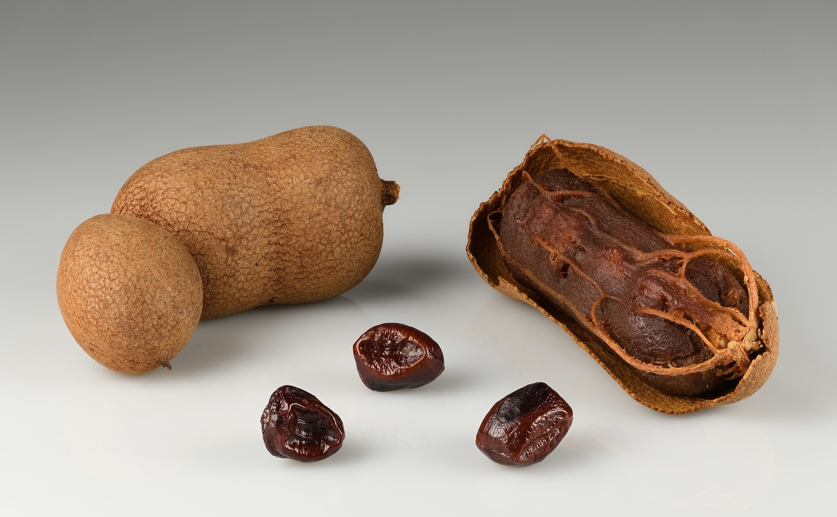
Tamarind fruits & seeds. Study suggests seeds may contain compounds to help manage blood sugar.

Key Findings

  • Researchers studied a trypsin inhibitor from tamarind seeds (TTI) in Brazil to find new ways to control blood sugar
  • TTI directly inhibited α-amylase, an enzyme that breaks down carbohydrates, by over 37% in lab tests
  • Computational modeling identified specific peptides within TTI, DTVHDTDGQVPL and TIAPACAPKPAR, that strongly bind to α-amylase and show potential for effective blood glucose control
Diabetes Mellitus, commonly known as diabetes, is a chronic metabolic disorder characterized by elevated blood glucose levels. Managing blood sugar is crucial for preventing complications, and current therapies often focus on enhancing insulin sensitivity or increasing insulin production. However, there's growing interest in targeting the enzymes responsible for breaking down carbohydrates in the digestive system as a complementary approach. Recent research from the Federal University of Rio Grande do Norte, Federal University of Recôncavo da Bahia, and Kwara State University[1] investigated the potential of a trypsin inhibitor extracted from tamarind seeds ( Tamarindus indica L.) to control blood glucose by inhibiting α-amylase, an enzyme key to carbohydrate digestion. The study began with the isolation and characterization of the trypsin inhibitor, named TTI, from tamarind seeds. Trypsin inhibitors, as the name suggests, block the activity of the enzyme trypsin. However, this research team discovered that TTI also possesses significant inhibitory activity against α-amylase. In vitro tests, meaning experiments conducted in a controlled laboratory setting outside of a living organism, demonstrated that TTI could inhibit α-amylase activity by over 37%. This finding is important because reducing α-amylase activity slows down the breakdown of carbohydrates, leading to a more gradual release of glucose into the bloodstream and potentially improving glycemic control. To understand how TTI interacts with α-amylase at a molecular level, the researchers employed computational modeling techniques called Docking and Molecular Dynamics. These methods allow scientists to predict how molecules bind to each other and how stable those interactions are. The team modeled the structure of TTI and five of its peptide fragments and then simulated their interaction with α-amylase. The simulations revealed strong binding between TTI and the enzyme, confirming the in vitro results. These interactions were quantified using Interaction Potential Energy (IPE), with lower (more negative) values indicating stronger binding. The peptides DTVHDTDGQVPL and TIAPACAPKPAR showed particularly strong interactions, with IPE values of -705.08 kJ/mol and -584.11 kJ/mol respectively. The stability of these complexes was further assessed using Root Mean Square Deviation (RMSD) and Root Mean Square Fluctuation (RMSF) analyses, which indicated good stability over time. The key interactions driving the binding were identified as electrostatic interactions, specifically salt bridges, between specific amino acids in the TTI peptides and α-amylase. This detailed understanding of the binding mechanism is crucial for optimizing the inhibitor’s effectiveness. This study builds upon prior knowledge of bioactive proteins and peptides found in food[2]. These substances, often hidden within larger protein molecules, can be released during digestion or food processing and exert various health effects. Milk proteins, for example, have been shown to have antihypertensive and osteoprotective properties[2]. The discovery that TTI, a protein from tamarind seeds, can inhibit α-amylase adds to the growing list of food-derived compounds with potential therapeutic benefits. Furthermore, the importance of proteases in protein function and regulation[3] is relevant here, as the breakdown of proteins (and subsequent release of peptides like those identified in this study) is crucial for their activity. Researchers also predicted the bioavailability of the identified peptides, assessing their stability and potential half-life in a simulated intestinal environment. Two candidates emerged with promising characteristics, suggesting they could remain active long enough to exert a significant effect in the body. The study is notable as it represents the first report of tamarind trypsin inhibitor, or its peptides, inhibiting α-amylase. The identification of the amino acid sequences DTVHDTDGQVPL and TIAPACAPKPAR as potential α-amylase inhibitors opens up new avenues for developing novel therapies for glycemic control.

MedicineNutritionBiochem

References

Main Study

1) In vitro and molecular modeling insights into α-amylase inhibition by tamarind seed-derived trypsin inhibitor: Implications for hyperglycemic control

Published 29th September, 2025

https://doi.org/10.1371/journal.pone.0333289


Related Studies

2) Bioactive peptides and proteins from foods: indication for health effects.

https://doi.org/10.1007/s00394-008-0710-2


3) Proteases: Pivot Points in Functional Proteomics.

https://doi.org/10.1007/978-1-4939-8814-3_20


Related Articles

An unhandled error has occurred. Reload 🗙