
Amylopectin Gel Detects Chromium and Tomato Spoilage Using Onion-Derived Dots
Jim Crocker
26th September, 2025


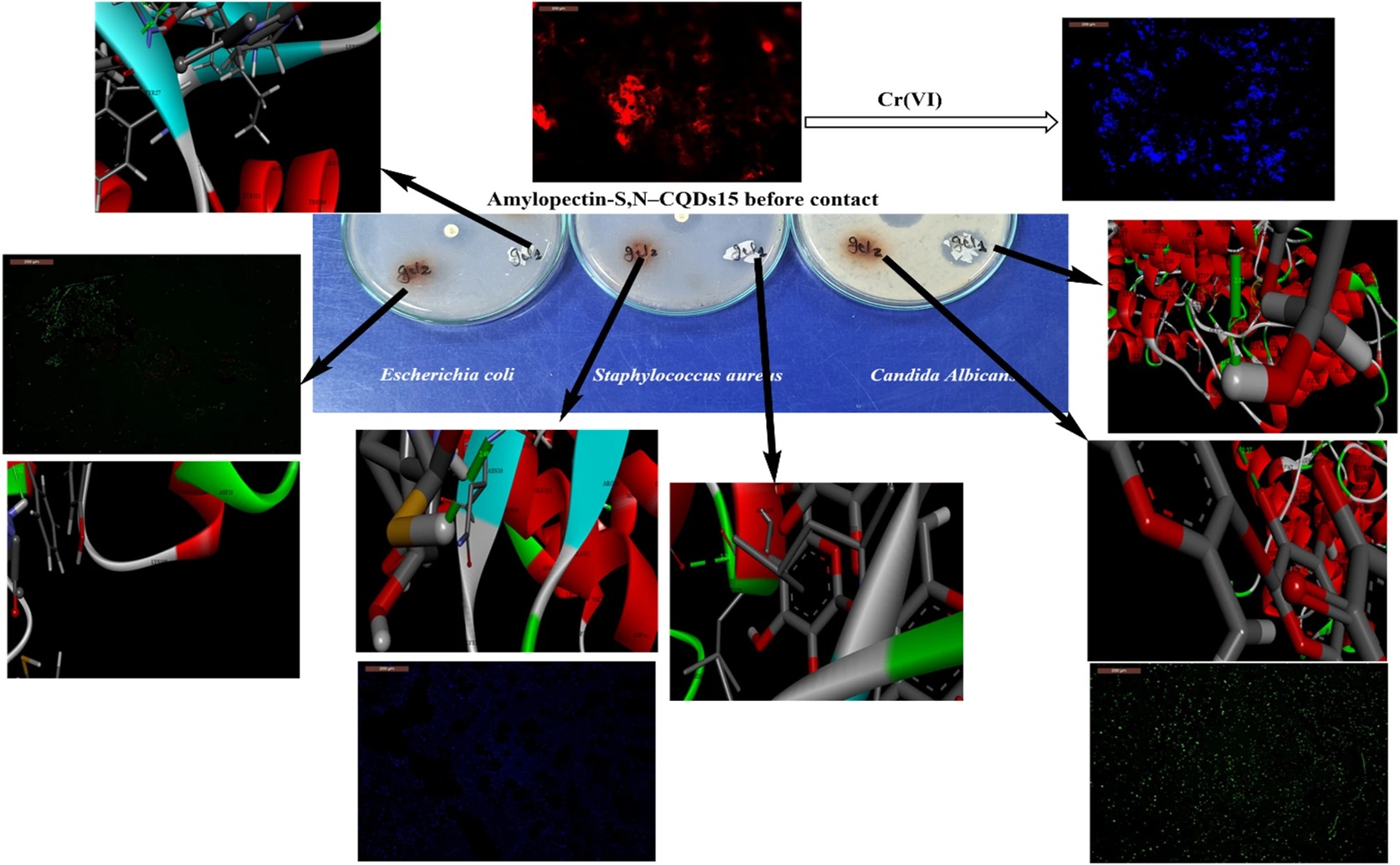
The amylopectin-S, N–CQDs15 xerogel demonstrates superior antimicrobial efficacy and strong molecular binding affinity against Escherichia coli, Staphylococcus aureus, and Candida albicans, while functioning as a selective biosensor through distinct fluorescence color changes upon exposure to these pathogens and Cr(VI).
Key Findings
- Researchers in Egypt developed a biodegradable film from corn starch and red onion peel waste to preserve food and detect contamination
- The film effectively inhibits the growth of common foodborne bacteria like E. coli, S. aureus, and C. albicans by up to 99%
- This film acts as a “smart sensor”, changing color to visually indicate bacterial spoilage and the presence of the heavy metal chromium
References
Main Study
1) Amylopectin xerogel with onion based sulfur nitrogen doped carbon quantum dots as a chemosensor for chromium and biosensor for microbial spoilage in tomatoes
Published 23rd September, 2025
https://doi.org/10.1038/s41598-025-19875-x
Related Studies
2) Novel intelligent naked-eye food packaging pH-sensitive and fluorescent sulfur, nitrogen-carbon dots biosensors for tomato spoilage detection including DFT and molecular docking characterization.
3) Novel colored hydroxypropyl methyl cellulose/ magnetite carbon dots films for beef packaging with DFT calculations and molecular docking study.
4) A Novel Natural Chromogenic Visual and Luminescent Sensor Platform for Multi-Target Analysis in Strawberries and Shape Memory Applications.
Related Articles
 30th August, 2025 | Jim Crocker