Plant Characteristics and DNA Analysis of Pigweed Varieties

Jenn Hoskins
24th September, 2025

Plant Characteristics and DNA Analysis of Pigweed Varieties

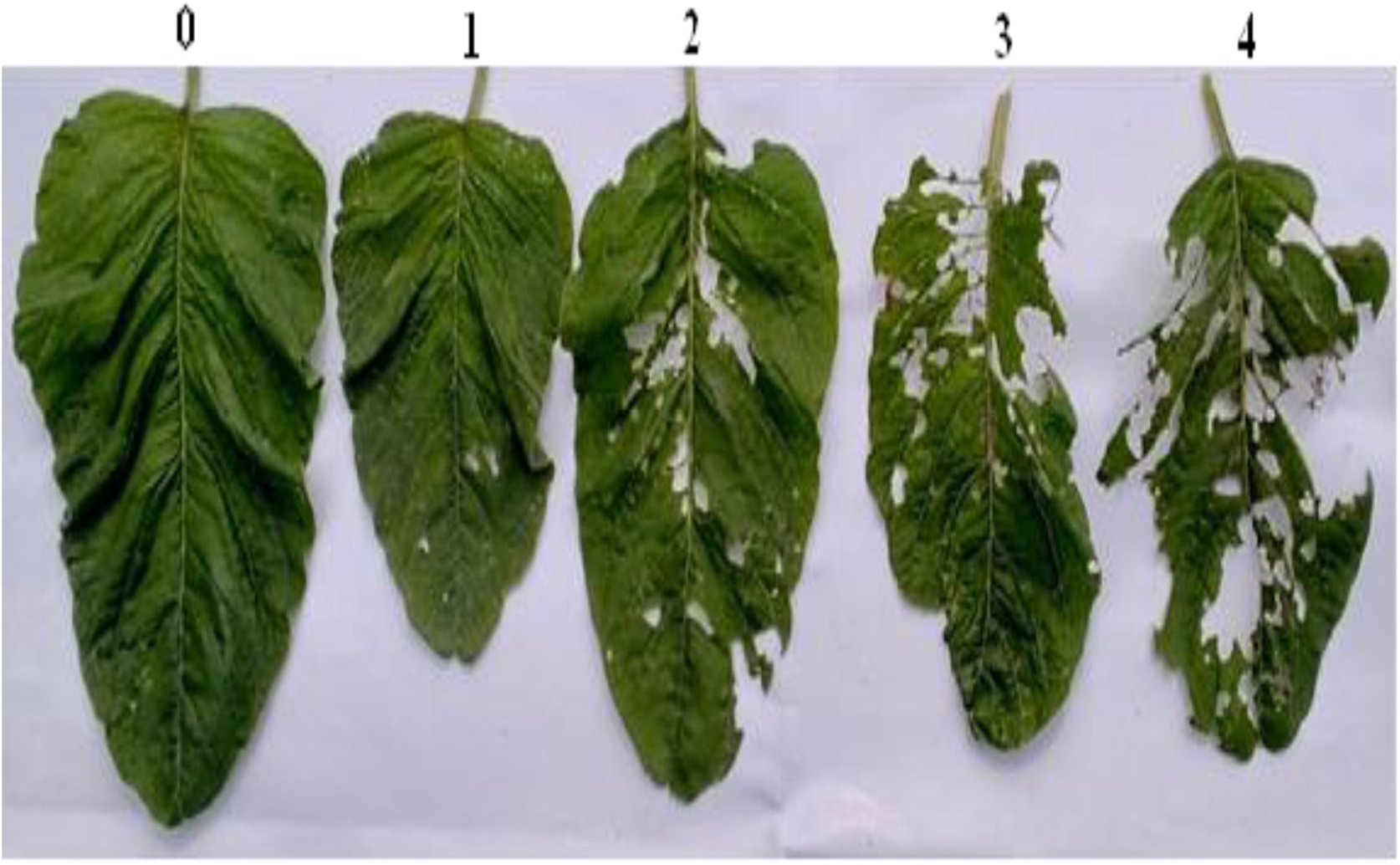
This visual grading scale (0–4) classifies the severity of insect pest damage on Amaranthus leaves, demonstrating that infestation levels exceeding 50% render the crop unmarketable and devoid of economic value.

Image adapted from: Siamey et al. / CC BY (Source)

Key Findings

  • In Ghana, researchers studied 21 amaranth varieties to find those best suited for breeding programs to improve food security
  • The amaranth varieties showed significant genetic diversity in physical traits like leaf shape and branching, indicating potential for breeding higher-yielding plants
  • Eleven varieties were identified as promising due to high leaf yield, numerous branches, and delayed flowering, which allows for greater leaf production
Amaranth, a leafy vegetable known for its resilience in challenging climates, is increasingly recognized as a potential contributor to global food security. Its nutritional profile – high in protein, essential amino acids, minerals, and vitamins – coupled with its ability to grow in poor soils and drought conditions, makes it a valuable crop. However, to fully utilize amaranth's potential, it’s crucial to understand the genetic diversity within the species to enable targeted breeding programs.[1] conducted by researchers at the Plant Genetic Resources Research Institute, University of Ghana, and the Nuclear Science and Technology Research Institute, aimed to characterize 21 different amaranth varieties (accessions) to identify those best suited for improvement through breeding. The study addressed the need for identifying superior amaranth genotypes, which are essentially distinct genetic lines, for developing higher-yielding and more nutritious varieties. Previous research has highlighted the importance of antioxidant properties in amaranth, attributing them to phytochemical compounds and, increasingly, to hydrolysates and bioactive peptides[2]. This focus on biochemical qualities complements the need for improved agronomic traits like yield and growth characteristics. Furthermore, studies on genetic diversity within amaranth populations, particularly in regions like the Indo-Gangetic plains, have demonstrated significant variation among species[3], emphasizing the potential for finding diverse parental lines for breeding programs. The research team evaluated the amaranth accessions at two different locations using a standardized experimental design (randomized complete block design) to minimize bias. They collected data on a range of physical characteristics (agro-morphological traits), such as the number of branches, leaf shape, and leaf color. In addition to these visual assessments, they employed molecular markers – specifically Simple Sequence Repeat (SSR) and Inter-Simple Sequence Repeat (ISSR) – to analyze the genetic makeup of each accession. SSR and ISSR markers work by identifying variations in specific DNA sequences. These markers are valuable because they provide a more detailed picture of genetic diversity than physical characteristics alone. The analysis revealed significant differences in most of the traits measured, indicating substantial variation among the accessions. Frequency distribution analysis showed that most varieties tended to have many branches, green leaves, lanceolate or elliptical leaf shapes, and smooth veins. A key finding was the grouping of the accessions into three distinct clusters based on their genetic similarity. This clustering is important because it suggests that the 21 accessions represent a diverse collection of genetic material. The SSR and ISSR markers confirmed this diversity, with gene diversity values averaging 0.579 and 0.711 respectively – higher values indicate greater genetic variation. Other metrics like heterozygosity (averaging 0.723 and 0.601) and polymorphism information content (averaging 0.512 and 0.665) further supported the presence of substantial genetic differences. The study also investigated correlations between different traits. A positive correlation was found between the number of primary branches and both the total number of leaves and the number of marketable leaves, suggesting that selecting for varieties with more branches could lead to higher yields. Importantly, the researchers identified eleven accessions with promising combinations of traits – specifically high leaf yield, numerous primary branches, and delayed flowering. Delayed flowering is desirable as it allows for a longer vegetative growth period, potentially increasing leaf production. The work builds on earlier research demonstrating the effectiveness of cluster analysis in identifying diverse strains for breeding purposes[4]. By combining agro-morphological data with molecular markers, provides a more comprehensive understanding of the genetic diversity within amaranth germplasm in Ghana. The identified promising genotypes can now be used in breeding programs to develop improved amaranth varieties, contributing to food and nutrition security.

AgricultureGeneticsPlant Science

References

Main Study

1) Agro-morphological and molecular characterization of Amaranthus genotypes

Published 23rd September, 2025

https://doi.org/10.1371/journal.pone.0328567


Related Studies

2) A Review of Recent Studies on the Antioxidant Activities of a Third-Millennium Food: Amaranthus spp.

https://doi.org/10.3390/antiox9121236


3) Genetic diversity of Amaranthus species from the Indo-Gangetic plains revealed by RAPD analysis leading to the development of ecotype-specific SCAR marker.

https://doi.org/10.1093/jhered/esn102


4) Diversity in phenotypic and nutritional traits in vegetable amaranth (Amaranthus tricolor), a nutritionally underutilised crop.

https://doi.org/10.1002/jsfa.3797


Related Articles

An unhandled error has occurred. Reload 🗙