Discovering Ancient Diets: Early Bronze Age People Ate Horse Meat

Greg Howard
1st September, 2025

Discovering Ancient Diets: Early Bronze Age People Ate Horse Meat

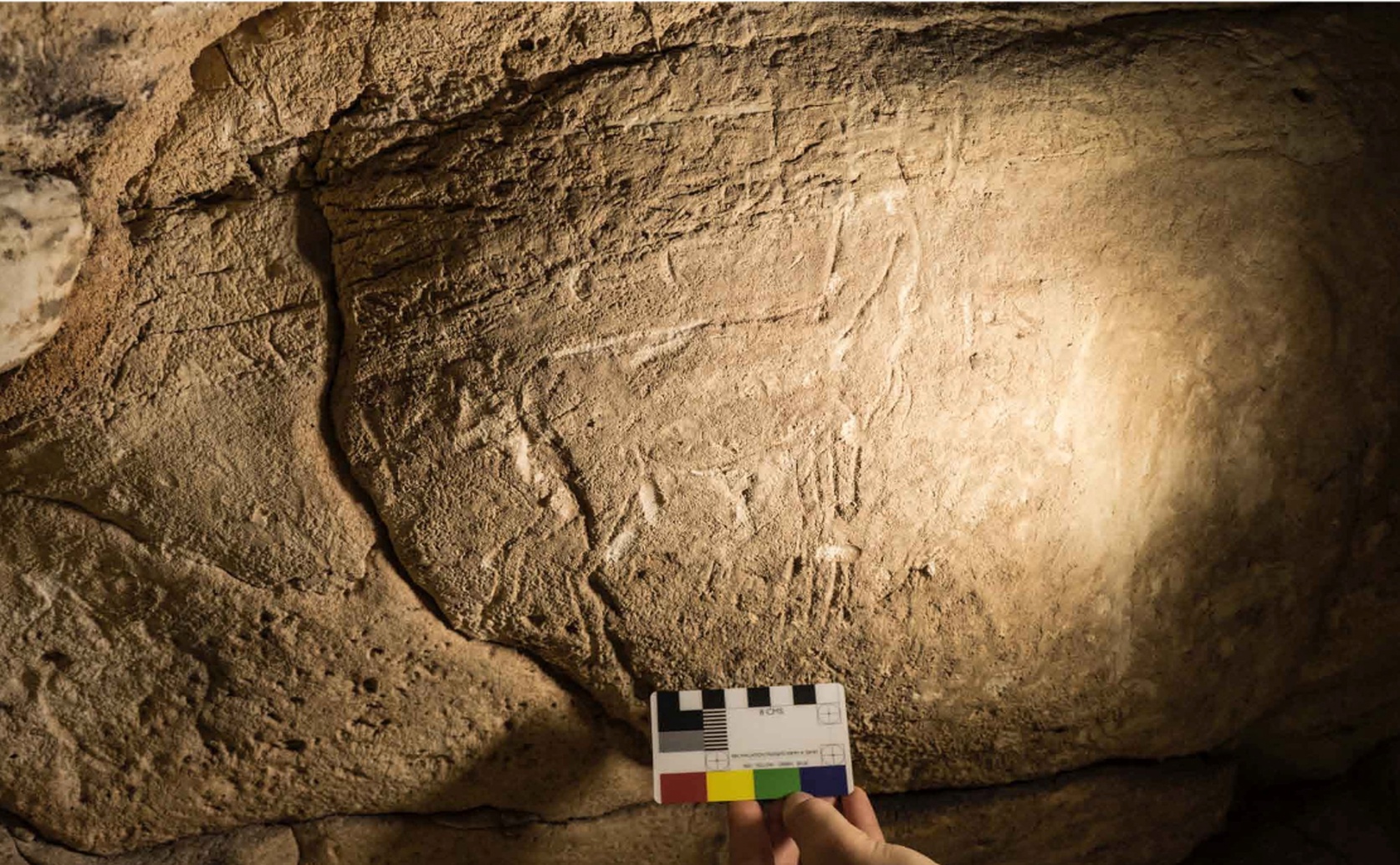
Characteristics of the equids’ representations in the artistic record of Late Glacial Sicily.

Image adapted from: Tanasi et al. / CC BY (Source)

Key Findings

  • This study, conducted in Sicily at Polizzello Mountain, provides the first direct evidence of horse meat or blood consumption during the Early Bronze Age
  • Proteomic analysis identified equine serum albumin in pottery fragments, confirming horses were processed or consumed around 4000 years ago
  • Combined with lipid residue analysis indicating animal fats, the findings suggest horses were used for both dietary and potentially ritual purposes in Early Bronze Age Sicilian communities
The understanding of ancient diets and animal use is constantly evolving with advances in scientific techniques. For a long time, archaeological evidence regarding the role of horses in prehistoric societies has been limited, particularly concerning their use as a food source. Traditional archaeological methods, relying on bone finds, often provide an incomplete picture due to poor preservation or alternative interpretations of skeletal remains. Recent research, however, is utilizing biomolecular archaeology – the analysis of ancient proteins and fats – to gain a more detailed understanding of past practices. A study conducted by researchers from the University of South Florida, University of Palermo, University of Trieste, Lower Saxony State Office, University of Tampa, Società Italiana di Medicina, Kyoto Institute of Technology, University of Bucharest, and University of South Florida[1] has presented the earliest documented evidence of horse meat consumption in Early Bronze Age Sicily. This discovery significantly alters previous assumptions about how horses were utilized on the island during this period. The research focused on ceramic vessels excavated from a Castelluccian settlement at Polizzello Mountain in Sicily. These vessels, dating back to the third millennium BCE, were analyzed using proteomics and lipidomics. Proteomics involves identifying proteins, the building blocks of life, while lipidomics focuses on analyzing fats and lipids. These techniques are increasingly valuable in archaeology, as demonstrated by previous work successfully identifying ancient proteins in materials like cheese[2] and pottery[3]. The challenge, as highlighted in the cheese study[2], lies in the degradation of these molecules over time and potential contamination. The team’s proteomic analysis unequivocally identified equine serum albumin – a protein found in horse blood – in multiple pottery fragments. This finding provides direct evidence that horses were being processed or consumed. Supporting this, lipid residue analysis revealed the presence of animal fats consistent with horse products, alongside vegetable-derived substances. This combination of evidence strongly suggests that these vessels were used in the preparation or consumption of horse meat, potentially within a ceremonial or dietary context. This discovery challenges the established view of horse domestication and utilization in prehistoric Sicily. Previously, it was believed that horses were primarily used for transport or prestige purposes, with limited evidence of their use as a food source. The findings from Polizzello Mountain suggest a far earlier and more complex relationship between humans and equids (the horse family) than previously understood. The application of these biomolecular techniques builds upon earlier successes in analyzing ancient food residues. For example, a study examining a ritual Bes-vase from Ptolemaic Egypt utilized similar methods – proteomics, metabolomics, and genetic analysis – to identify a complex concoction of psychoactive and medicinal substances[4]. The Sicilian study demonstrates the adaptability of these techniques to different archaeological contexts and materials. The ability to identify specific proteins, as seen in both the cheese[2] and horse meat studies, provides a level of detail previously unattainable through traditional archaeological methods. Furthermore, the research highlights the potential for biomolecular data to illuminate intercultural interactions and economic strategies in the ancient Mediterranean. The presence of horse meat consumption in Sicily during the Early Bronze Age could indicate trade or exchange with regions where horses were more prevalent, or a local adaptation to available resources. This study, like others employing proteomic approaches[3], underscores the importance of careful contamination control to ensure the accuracy of results.

NutritionAnimal Science

References

Main Study

1) Unearthing prehistoric diets: First evidence of horse meat consumption in Early Bronze Age Sicily

Published 29th August, 2025

https://doi.org/10.1371/journal.pone.0330772


Related Studies

2) Proteomic Analyses on an Ancient Egyptian Cheese and Biomolecular Evidence of Brucellosis.

https://doi.org/10.1021/acs.analchem.8b02535


3) Paleoproteomic profiling of organic residues on prehistoric pottery from Malta.

https://doi.org/10.1007/s00726-021-02946-4


4) Multianalytical investigation reveals psychotropic substances in a ptolemaic Egyptian vase.

https://doi.org/10.1038/s41598-024-78721-8


Related Articles

An unhandled error has occurred. Reload 🗙