
Hornet alarm signals reveal individual colony identity and worker differences
Jenn Hoskins
3rd February, 2026


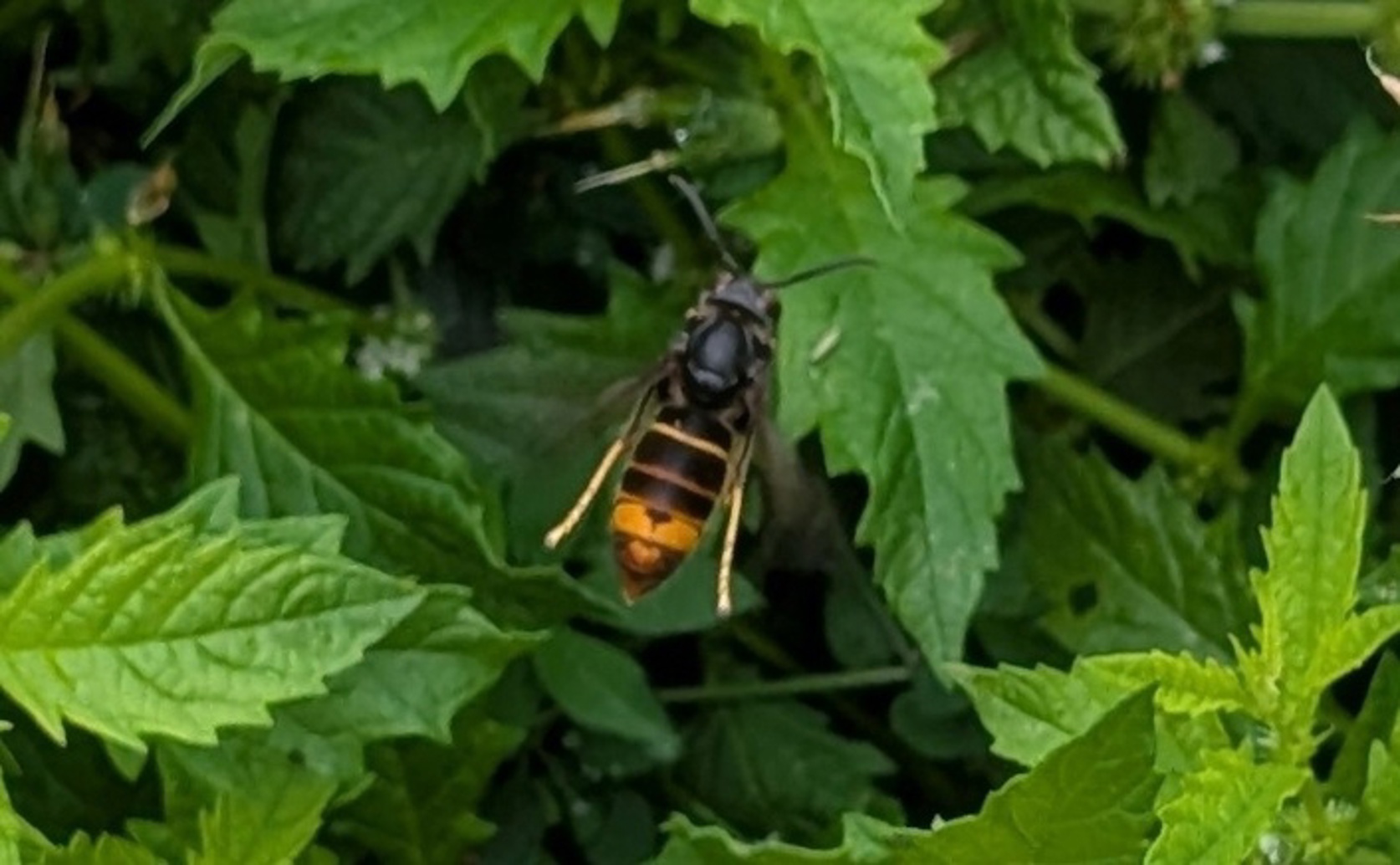
Yellow-legged hornet (Vespa velutina nigrithorax)
Key Findings
- This study, conducted in France on yellow-legged hornets, found variations in alarm pheromone chemicals between different hornet colonies
- Hornet workers exhibited unique alarm pheromone compositions based on their specific job within the colony—foraging, building, defending, or material gathering
- Five specific chemical compounds were identified as key markers, distinguishing animal foragers and builders from other worker types
References
Main Study
1) Colonial signature of the alarm pheromone and chemical differences between hornet workers
Published 2nd February, 2026
https://doi.org/10.1371/journal.pone.0336261
Related Studies
2) Trail communication regulated by two trail pheromone components in the fungus-growing termite Odontotermes formosanus (Shiraki).
3) The chemistry of social regulation: multicomponent signals in ant societies.
Journal: Proceedings of the National Academy of Sciences of the United States of America, Issue: Vol 92, Issue 1, Jan 1995
4) Bees eavesdrop upon informative and persistent signal compounds in alarm pheromones.
5) Poison and alarm: the Asian hornet Vespa velutina uses sting venom volatiles as an alarm pheromone.
Related Articles
 11th May, 2024 | Jenn Hoskins