How Vitamins Impact Honey Bee Health Throughout the Year

Greg Howard
29th August, 2025

How Vitamins Impact Honey Bee Health Throughout the Year

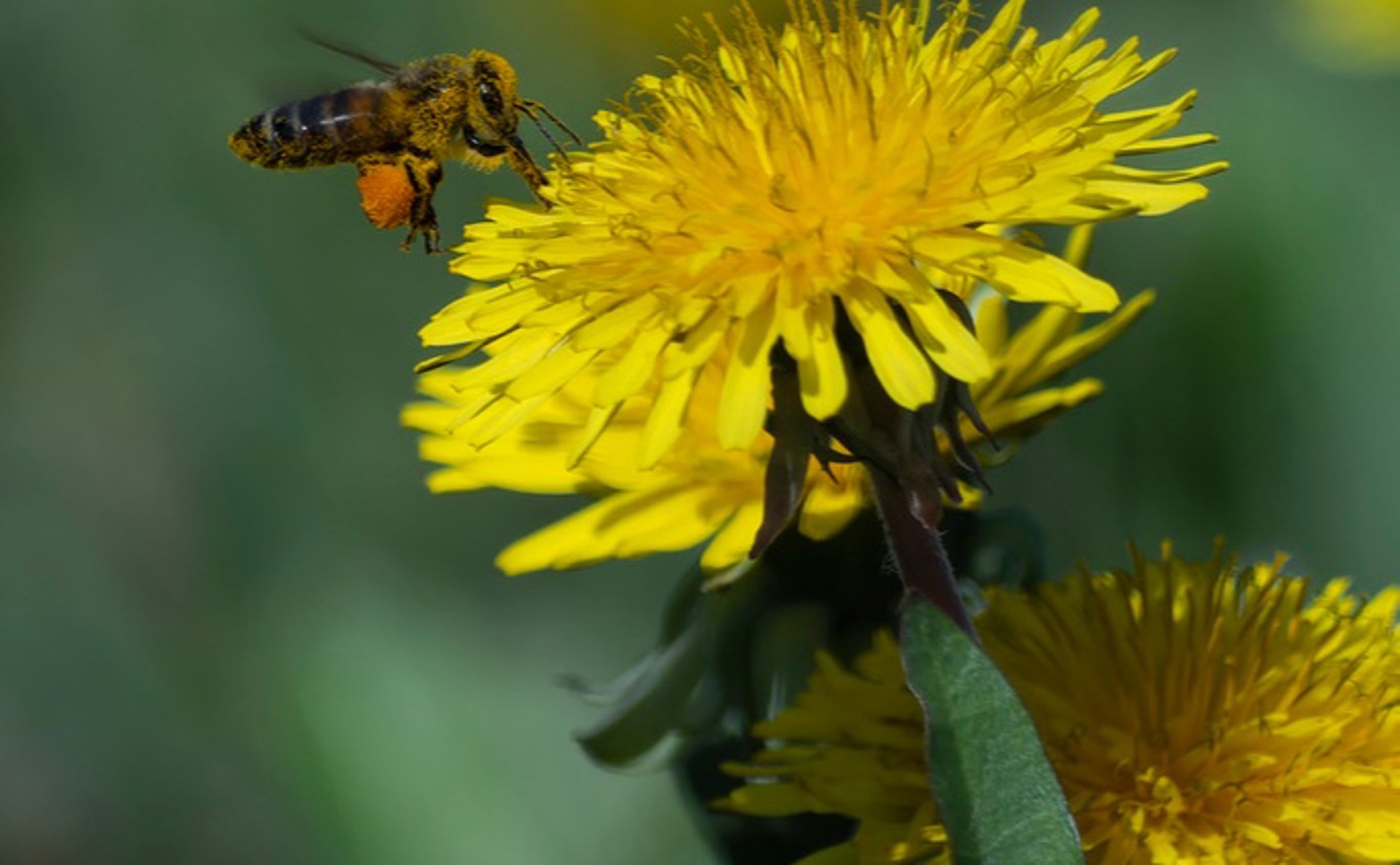
Western Honey Bee (Apis mellifera)

Photo adapted from: Ульяна Лалак / CC BY (Source)

Key Findings

  • This study, conducted in Switzerland, found that pollen significantly boosted honey bee weight and lifespan, more so than vitamin supplements
  • Surprisingly, summer and winter bees showed similar weight and longevity patterns in the lab, despite summer bees typically living longer in nature
  • Vitamin supplementation at the tested dosages did not improve bee weight or lifespan, highlighting pollen as the crucial dietary component
Honey bee colonies require a balanced diet to thrive, yet vitamin supplementation is often overlooked in standard feeding practices. Maintaining colony health is crucial, particularly given the various stressors bees face, including pathogens and nutritional deficiencies. Researchers at the University of Bern and Universidade de São Paulo[1] investigated the impact of multivitamin supplementation on honey bee worker longevity, food consumption, and body weight, comparing summer and winter bees to understand potential seasonal differences. The study involved a controlled laboratory experiment where honey bee workers were provided with different diets. These diets included sucrose (sugar) alone, sucrose with pollen, and sucrose combined with three different dosages of a multivitamin mixture containing vitamins A, D, E, K, C, and a range of B vitamins. The researchers monitored food consumption, worker lifespan, and dry weight – a measure of overall body mass – across both summer and winter bee populations. Contrary to expectations, the multivitamin supplementation did not significantly improve any of the measured parameters. Neither lifespan nor food consumption were noticeably affected by the different vitamin dosages. However, consistent access to pollen demonstrably increased both weight and lifespan, confirming its vital role in bee health. This aligns with previous research highlighting the importance of pollen quality and diversity in maintaining a healthy gut microbiome[2]. A dysbiotic microbiome – an imbalance of gut bacteria – can increase susceptibility to pathogens and impair development, as demonstrated in studies showing a link between aged pollen diets and reduced Snodgrassella alvi abundance, a bacterium associated with bee health[2]. Interestingly, the study revealed that summer and winter bees exhibited remarkably similar patterns of dry weight and longevity under laboratory conditions. Summer bees, however, still lived longer than winter bees, which was an unexpected finding. Typically, winter bees are physiologically adapted for longer lifespans to survive the colder months, a difference not replicated in the controlled laboratory environment. This suggests that factors present in the natural environment, such as temperature fluctuations, foraging demands, and social interactions, play a significant role in regulating bee lifespan. The findings also connect to the understanding of bee foraging behaviour[3]. While this study didn’t directly examine foraging, the importance of pollen reinforces the need for bees to efficiently collect and utilize this resource. Reduced foraging activity or impaired foraging performance, potentially due to environmental stressors, could exacerbate nutritional deficiencies, even with vitamin supplementation. Furthermore, the bee’s ability to store and utilize energy reserves is critical for survival, particularly during periods of limited food availability[4]. While this study didn’t directly measure energy reserves, the increased weight observed with pollen consumption suggests improved nutritional status and energy storage. Nutritional stress can weaken colonies, making them more vulnerable to pathogens like Nosema ceranae[5], and the lack of improvement from vitamin supplementation highlights the importance of addressing fundamental nutritional needs, such as adequate pollen intake. The researchers concluded that current laboratory settings may not fully replicate the complexities of a natural bee colony environment, and more biologically relevant experimental setups are needed to accurately assess the impact of nutritional interventions. This suggests that future research should focus on creating more realistic laboratory conditions to better understand how vitamins and other nutrients affect honey bee health and longevity.

NutritionPlant ScienceAnimal Science

References

Main Study

1) Towards holistic colony feeding: Effects of vitamin supplementation on summer and winter honey bee workers, Apis mellifera L

Published 28th August, 2025

https://doi.org/10.1371/journal.pone.0328626


Related Studies

2) Diet-related gut bacterial dysbiosis correlates with impaired development, increased mortality and Nosema disease in the honeybee (Apis mellifera).

https://doi.org/10.1111/mec.13862


3) Honey bees increase their foraging performance and frequency of pollen trips through experience.

https://doi.org/10.1038/s41598-019-42677-x


4) Insect fat body: energy, metabolism, and regulation.

https://doi.org/10.1146/annurev-ento-112408-085356


5) Plant-based supplement containing B-complex vitamins can improve bee health and increase colony performance.

https://doi.org/10.1016/j.prevetmed.2021.105322


Related Articles

An unhandled error has occurred. Reload 🗙