How Heat Affects the Nutrition in Chickpea Seeds

Jim Crocker
25th August, 2025

How Heat Affects the Nutrition in Chickpea Seeds

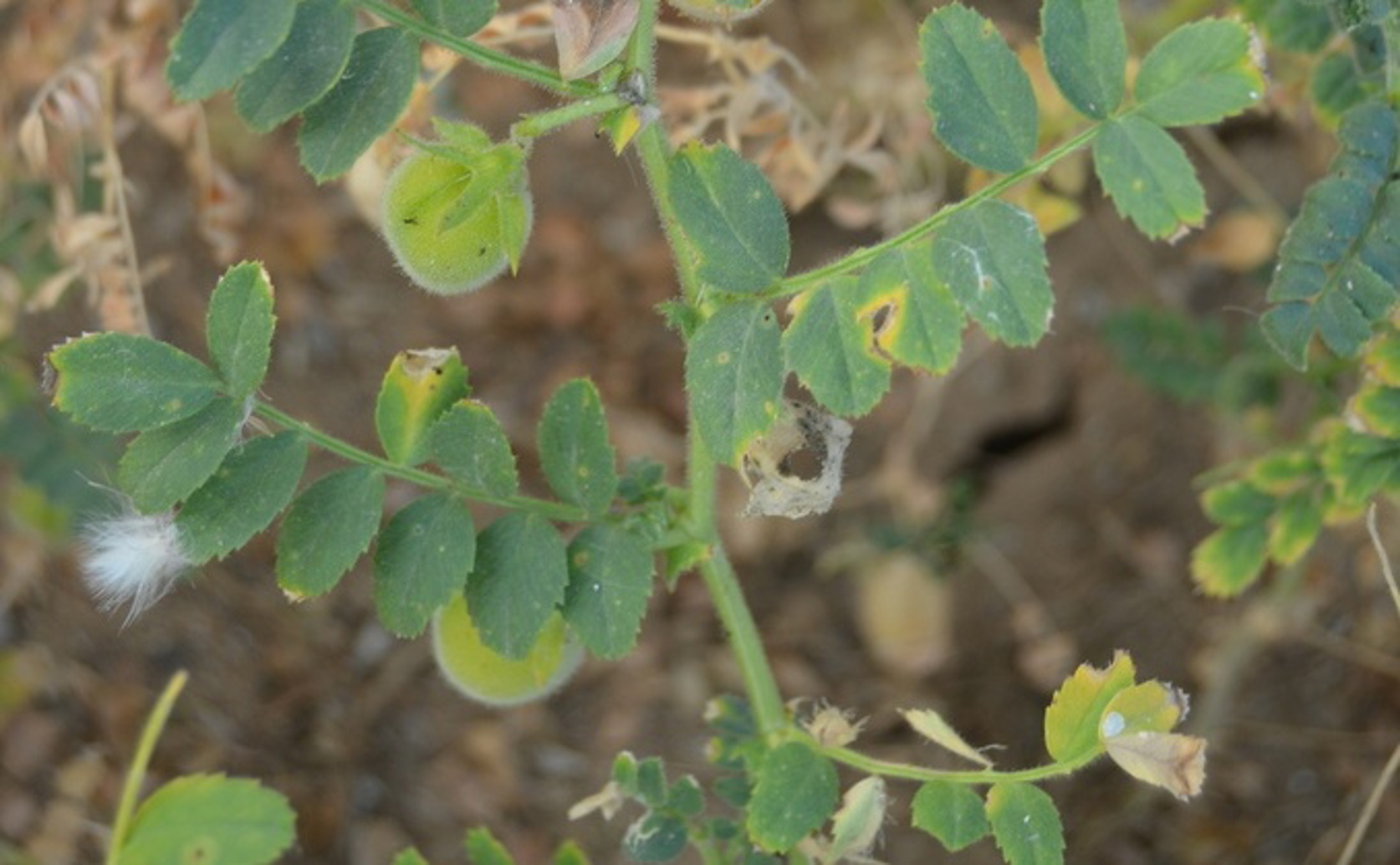
Chickpea (Cicer arietinum)

Photo adapted from: Nico Hernandez / CC BY (Source)

Key Findings

  • This study, conducted in Kansas, USA, found that heat stress reduces chickpea yield by 29 to 66 percent
  • Heat stress decreased carbon, calcium, copper, and iron levels in chickpea seeds, but protein and phosphorus levels remained stable or increased
  • Some chickpea varieties showed more resilience to heat stress than others, suggesting potential for breeding improved, nutrient-rich cultivars
Chickpea, a globally important legume and a key protein source, faces increasing challenges from heat stress due to climate change. While traditionally bred for faster maturity to avoid peak heat periods, a deeper understanding of how heat impacts the seed’s nutritional content is crucial for developing truly resilient varieties. A recent study conducted by researchers at ICAR-IIPR[1] investigated the effects of heat stress on the seed composition of eight different chickpea genotypes. The core problem this research addresses is the potential decline in seed quality when chickpeas are exposed to higher temperatures. Chickpea is already recognised as a valuable source of protein, carbohydrates, fats, fibre and micronutrients[2], however, heat stress can disrupt the plant’s ability to accumulate these vital compounds, potentially exacerbating malnutrition issues, especially in low-income countries where chickpea is a dietary staple. Previous research has highlighted the sensitivity of chickpea’s reproductive stage to heat, leading to reduced yields[3]. This new study expands on this by focusing specifically on the chemical composition of the seeds themselves, rather than just overall yield. The researchers grew eight chickpea varieties under two temperature regimes: a control group at 25/15°C (day/night) and a heat-stressed group at 35/20°C. They then measured the concentrations of several key elements within the seeds – carbon, protein, phosphorus, potassium, magnesium, sulfur, manganese, iron, zinc, and copper. The results showed significant genetic variation between the chickpea varieties in how their seed composition responded to heat stress. Some varieties were more affected than others, indicating a natural range of heat tolerance within the chickpea gene pool. Notably, the study found that heat stress didn’t significantly alter the concentrations of sulfur, iron, and zinc in the seeds. However, substantial differences were observed in carbon, protein, phosphorus, potassium, magnesium, and manganese levels. This suggests that heat stress primarily impacts the accumulation of these specific nutrients, rather than causing a blanket reduction in all seed components. The researchers also observed interactions between temperature and genotype for most traits, meaning that the effect of heat stress varied depending on the specific chickpea variety. Correlation analysis revealed interesting relationships between different nutrients. Under normal conditions, higher seed carbon content was linked to higher protein levels, and higher magnesium was associated with higher phosphorus. Similarly, protein content was positively correlated with sulfur. However, these relationships shifted under heat stress. The link between carbon and protein remained, but the correlations between magnesium and phosphorus, and protein and sulfur, became more pronounced. New negative correlations also emerged, specifically between calcium and potassium, and between iron and copper, suggesting that heat stress disrupts nutrient balance within the seed. These findings build upon earlier work demonstrating that heat stress inhibits key enzymes involved in sucrose metabolism within chickpea plants[3], potentially impacting the overall carbon allocation and nutrient distribution. The reduction in pod set and pollen function observed in heat-stressed plants[3][4] likely contributes to the altered seed composition seen in this study. Furthermore, the study highlights the potential for breeding chickpea varieties with improved thermotolerance, a goal supported by research into identifying key quantitative trait loci (QTLs) associated with stress tolerance[4][5]. The research, conducted in collaboration with Kansas State University and USDA ARS, underscores the need for continued investigation into the genetic basis of heat tolerance in chickpea. Identifying varieties with inherently stable seed composition under heat stress, and understanding the underlying cellular mechanisms involved, will be critical for developing climate-resilient chickpea cultivars capable of maintaining nutritional quality in a warming world. Researchers at Purdue University, University of Western Australia and NABI are also contributing to this understanding, exploring genetic variability and transcriptomic analysis to further improve chickpea production in extreme environments[4].

AgricultureNutritionPlant Science

References

Main Study

1) Influence of elevated temperature on the nutritional profile of Chickpea (Cicer arietinum L.) Seeds

Published 22nd August, 2025

https://doi.org/10.1371/journal.pone.0330230


Related Studies

2) Unlocking the nutritional potential of chickpea: strategies for biofortification and enhanced multinutrient quality.

https://doi.org/10.3389/fpls.2024.1391496


3) Heat-stress-induced reproductive failures in chickpea (Cicer arietinum) are associated with impaired sucrose metabolism in leaves and anthers.

https://doi.org/10.1071/FP13082


4) Developing Climate-Resilient Chickpea Involving Physiological and Molecular Approaches With a Focus on Temperature and Drought Stresses.

https://doi.org/10.3389/fpls.2019.01759


5) Chickpea tolerance to temperature stress: Status and opportunity for improvement.

https://doi.org/10.1016/j.jplph.2021.153555


Related Articles

An unhandled error has occurred. Reload 🗙