Plant Recovery Six Years After Dam Disaster: Effects on Species and Growth

Greg Howard
26th August, 2025

Plant Recovery Six Years After Dam Disaster: Effects on Species and Growth

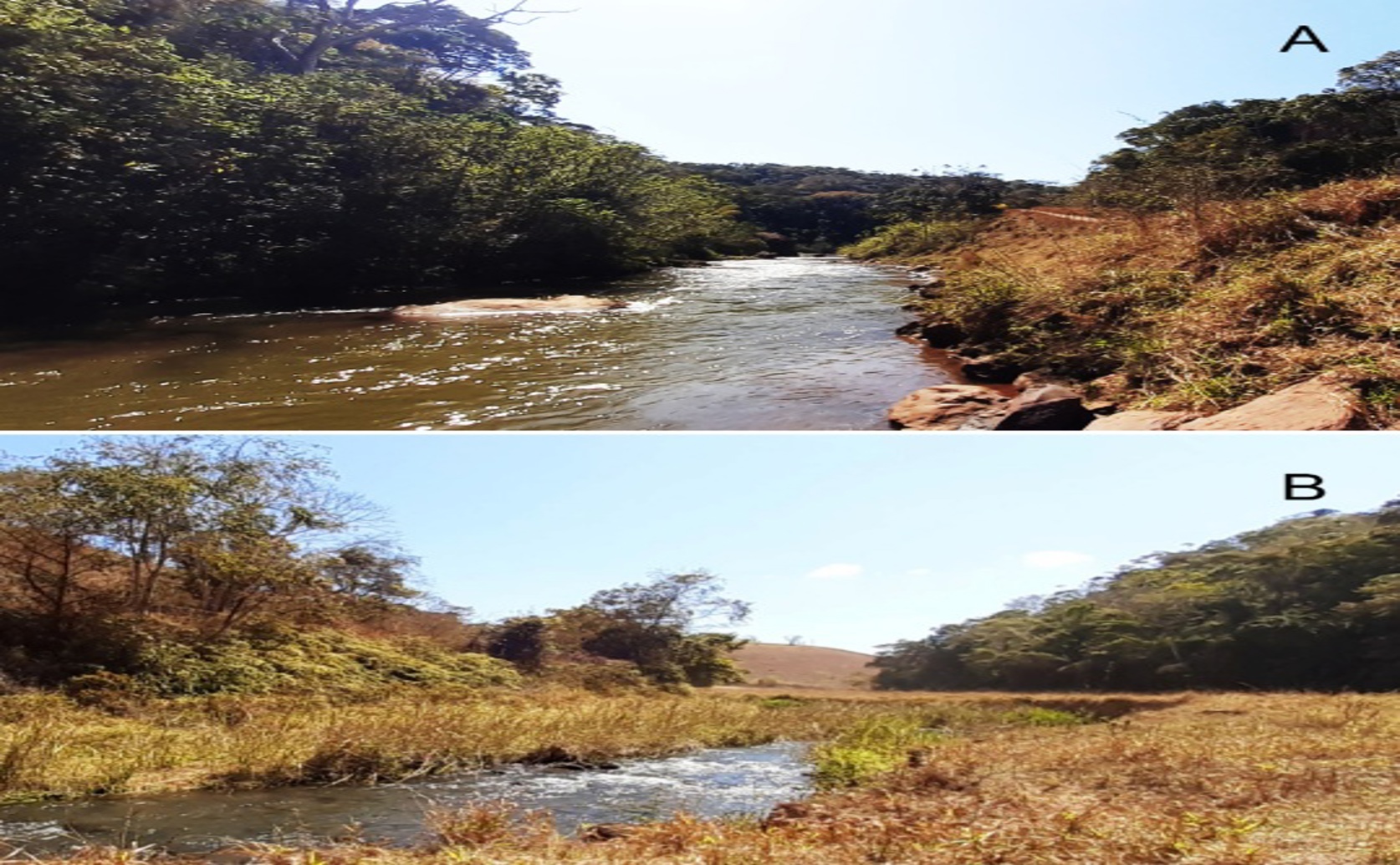
The marked environmental degradation in areas affected by the Fundão dam tailings (a) compared to unaffected tributaries (b) visually supports the study's findings of reduced soil fertility and a 35% loss in regional plant species richness.

Image adapted from: Paz et al. / CC BY (Source)

Key Findings

  • The 2015 dam collapse in Brazil significantly altered the landscape, impacting approximately 1469 hectares of natural vegetation along the Doce River basin
  • While plant recruitment wasn’t significantly different between affected and unaffected areas, overall plant species diversity remained 35% lower six years after the tailings deposition
  • Plants grown in soil affected by the tailings showed altered growth patterns, with reduced height in Ludwigia octovalvis and decreased root development in Marsypianthes chamaedrys
The 2015 dam collapse in Mariana, Brazil, released a vast amount of mining waste – known as tailings – into the Doce River basin, causing significant environmental damage. This event devastated riparian vegetation, the plant life along riverbanks which is vital for ecosystem health. Understanding the long-term effects of this disaster on plant recovery is crucial for effective restoration efforts. A recent study conducted by researchers at the Federal University of Viçosa (UFV), Karlsruhe Institute of Technology (KIT) & Universidade Federal de Minas Gerais[1] investigated whether plant life was still struggling to re-establish itself six years after the tailings were deposited. The research focused on comparing areas directly impacted by the tailings to those that remained unaffected. The primary goal was to determine if the chemical composition of the soil was still preventing plants from growing, and if the natural seed banks within the soil were still viable. The team collected soil samples from both types of areas and conducted experiments to assess the ability of seeds to germinate and grow under controlled conditions. They also focused on two of the most common plant species found in the region: Marsypianthes chamaedrys and Ludwigia octovalvis. Initial findings revealed that the soil in the affected areas had lower levels of fertility and organic matter compared to unaffected areas. Despite this, the number of seeds present and the initial success of germination didn’t differ significantly between the two locations. However, a key observation was a 35% reduction in the overall variety of plant species (gamma diversity) in the areas impacted by the tailings. This suggests that while some plants can grow, the diversity of the ecosystem is still significantly reduced. The three most abundant species – Marsypianthes chamaedrys, Ludwigia octovalvis, and Ageratum conyzoides – collectively made up over a third of all plants observed in both affected and unaffected areas, indicating a potential shift in species dominance. Further experiments involved growing the two focal plant species in both affected and unaffected soils. Plants grown in tailings-affected soil showed slower growth rates – reduced height and stem diameter in Ludwigia octovalvis – or altered growth patterns, with Marsypianthes chamaedrys allocating fewer resources to root development. These changes are likely a direct response to the poorer soil quality and increased density of plants. These findings build upon previous research highlighting the challenges of restoring ecosystems damaged by mining activity[2]. For example, a study evaluating restoration methods following the Fundão dam collapse also observed that soil properties, particularly depth and seasonality, were critical factors influencing plant growth. While that study didn't find significant differences between restoration treatments, it did emphasize the importance of understanding soil conditions for successful recovery[2]. The current study reinforces this idea, demonstrating that even six years after the initial disaster, the lingering effects of reduced soil fertility continue to hamper plant recruitment. Interestingly, the current study also connects to broader understanding of gene flow in Amazonian plant populations[3]. That research showed that seed dispersal mechanisms play a vital role in maintaining genetic diversity, and that even geographical barriers like rivers can be overcome by various dispersal methods. However, the reduced plant diversity observed in the tailings-affected areas in the current study could have implications for gene flow, potentially limiting the ability of plant populations to adapt and recover. The ability of the Rio Branco river to facilitate gene dispersal across plant species[3] is an interesting comparison, as the Doce River, impacted by the tailings, may now be acting as a barrier rather than a facilitator. The research from UFV, KIT & Universidade Federal de Minas Gerais underscores that the negative impacts of the tailings deposition are still evident years after the event, and that simply having seeds present isn’t enough for full ecosystem recovery. The altered growth patterns observed suggest that plants are struggling to adapt to the changed soil conditions, highlighting the need for continued restoration efforts focused on improving soil quality and promoting plant diversity.

EnvironmentEcologyPlant Science

References

Main Study

1) Plant recruitment six years after the Samarco’s tailings-dam disaster: Impacts on species richness and plant growth

Published 25th August, 2025

https://doi.org/10.1371/journal.pone.0315990


Related Studies

2) Forest restoration methods, seasonality, and penetration resistance does not influence aboveground biomass stock on mining tailings in Mariana, Brazil.

https://doi.org/10.1590/0001-3765202120201209


3) By Animal, Water, or Wind: Can Dispersal Mode Predict Genetic Connectivity in Riverine Plant Species?

https://doi.org/10.3389/fpls.2021.626405


Related Articles

An unhandled error has occurred. Reload 🗙