How UV Light Affects Helpful Microbes in a Common Plant

Jim Crocker
16th May, 2025

How UV Light Affects Helpful Microbes in a Common Plant

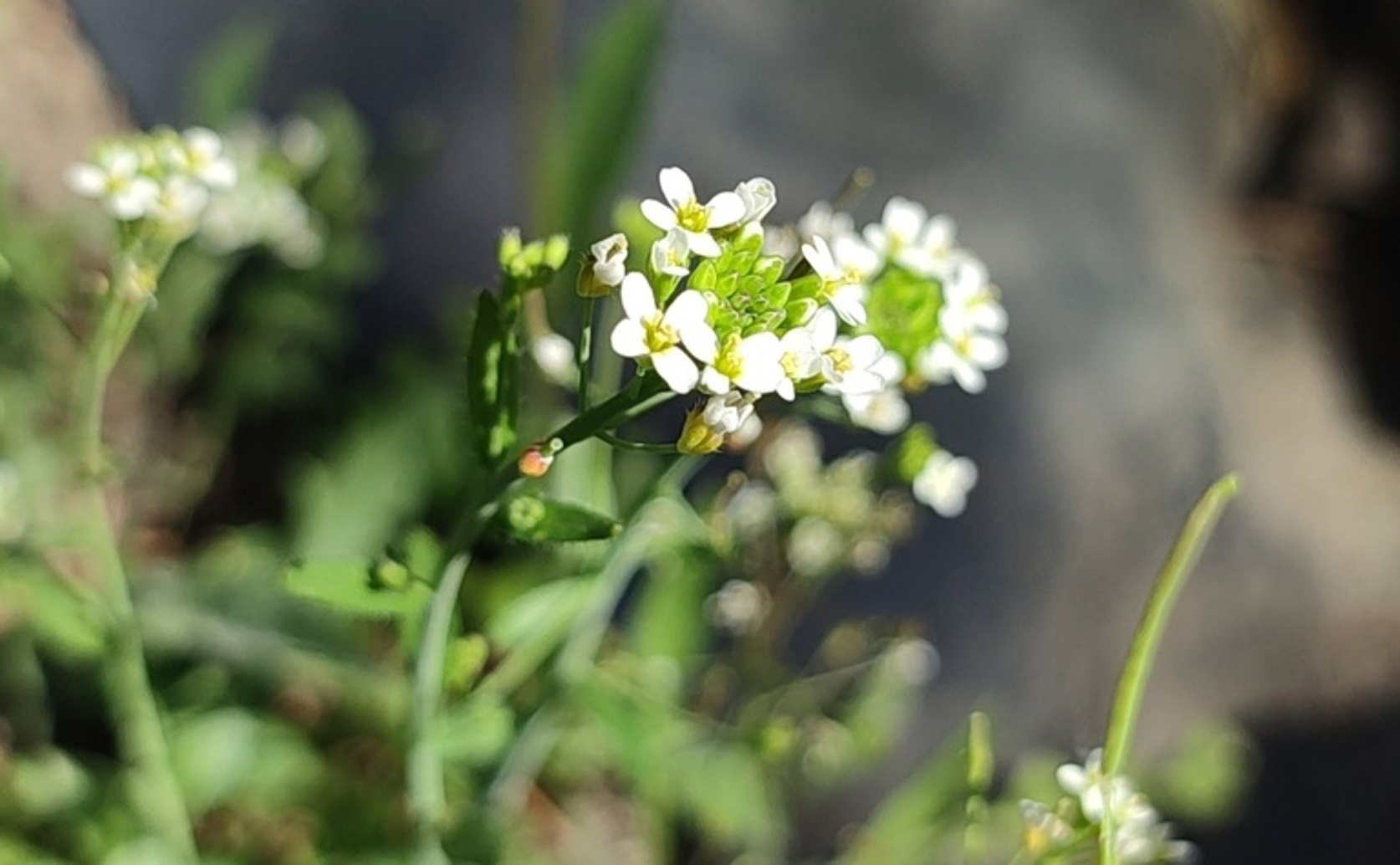
Mouse-ear cress (Arabidopsis thaliana)

Photo adapted from: Igor Balashov / CC BY (Source)

Key Findings

  • *Jagiellonian University found that UV-A1 light does not significantly change how beneficial fungi colonize Arabidopsis plants.*
  • *Exposure to UV-A1 boosts the plants' defense gene activity, enhancing their ability to protect against stresses.*
  • *These results suggest UV-A1 can strengthen plant defenses without disrupting beneficial microbes, aiding crop resilience.*
Understanding how plants interact with their environment is crucial for improving crop resilience and nutritional quality. Light, a fundamental energy source for plants, not only drives photosynthesis but also serves as a key signal that influences various plant responses to both abiotic and biotic stresses[2]. Among the different wavelengths of light, ultraviolet A (UV-A) radiation, ranging from 350 to 400 nm, plays a significant role in plant development and stress modulation. While previous research has extensively explored the effects of light quality and quantity on plant health[2][3][4], the specific impact of UV-A on plant-endophyte interactions has remained underinvestigated. A recent study conducted by researchers at Jagiellonian University[1] delves into this very aspect, examining how UV-A1 waveband influences the relationship between plants and fungal endophytes. Endophytes are microorganisms that live within plant tissues without causing harm, often providing benefits such as enhanced stress tolerance and disease resistance. The study focused on several endophytic fungi, including Paraphoma chrysanthemicola, Phomopsis columnaris, Diaporthe eres, Mucor sp., and the yeast Sporobolomyces ruberrimus, to assess how UV-A exposure affects their colonization of plant shoots and roots. The researchers exposed Arabidopsis plants to physiologically relevant levels of UV-A1 and monitored the colonization patterns of the endophytes. Surprisingly, UV-A exposure did not significantly alter the extent to which these microorganisms colonized the plant tissues. This finding suggests that, unlike other stressors such as excessive light or pathogens, UV-A may not disrupt the beneficial relationships between plants and their endophytic partners[2]. However, the study uncovered more nuanced effects of UV-A on plant physiology. Specifically, exposure to UV-A led to the upregulation of genes associated with the establishment of symbiosis. For instance, the expression of the gene PDF1.2, which plays a role in plant defense mechanisms, was notably affected by Paraphoma chrysanthemicola and Sporobolomyces ruberrimus under UV-A conditions. Additionally, genes ICS1 and PAL1, crucial for plant responses to various stress factors, saw increased mRNA levels when plants were exposed to UV-A and inoculated with certain endophytes. This indicates that while UV-A may not impede endophyte colonization, it does enhance the plant's defensive capabilities. These findings align with earlier research that highlights the multifaceted role of light in plant stress responses. For example, short day or shady environments have been shown to improve drought stress tolerance and enhance cold acclimation in plants[2]. Similarly, supplemental blue and UV-A light have been found to increase the growth and healthy compound content in pak-choi, a leafy vegetable, with specific wavelengths like 430 nm blue light and 400 nm UV-A light proving particularly effective[3]. Additionally, UV radiation has been utilized to boost the levels of health-promoting compounds such as glucosinolates and phenolics in broccoli sprouts, enhancing their nutritional value[4]. By investigating the interplay between UV-A light and endophytic colonization, the Jagiellonian University study provides valuable insights into how specific light wavelengths can modulate plant defense mechanisms without disrupting beneficial microbial relationships. The upregulation of defense-related genes under UV-A exposure suggests that plants can better prepare themselves against potential threats when exposed to this light spectrum, potentially reducing the need for trade-offs between growth and defense that are commonly seen under other stress conditions[2]. The methodology employed in the study involved controlled UV-A exposure and the introduction of various endophytes to the Arabidopsis plants. By analyzing gene expression levels and assessing physiological parameters such as plant fresh weight and root architecture, the researchers were able to discern the specific effects of UV-A on plant-endophyte interactions. Notably, while UV-A enhanced the expression of certain defense genes, it did not significantly impact other physiological traits, indicating a targeted rather than a systemic influence of UV-A on plant biology. This research contributes to a growing body of knowledge that seeks to harness light as a tool for optimizing plant health and performance. Understanding how different wavelengths affect plant interactions with their environment, including beneficial microbes, can inform breeding strategies aimed at enhancing crop resilience and nutritional quality. For instance, leveraging UV-A to boost plant defense mechanisms without compromising growth could lead to crops that are both robust and rich in health-promoting compounds[2][3][4]. In conclusion, the study from Jagiellonian University advances our understanding of the specific role that UV-A light plays in plant biology, particularly in the context of symbiotic relationships with endophytes. By demonstrating that UV-A can enhance plant defense gene expression without adversely affecting beneficial microbial colonization, this research opens up new avenues for developing light-based strategies to improve crop resilience and nutritional quality.

EnvironmentEcologyPlant Science

References

Main Study

1) Effect of UV-A on endophyte colonisation of Arabidopsis thaliana

Published 15th May, 2025

https://doi.org/10.1371/journal.pone.0323576


Related Studies

2) Light acts as a stressor and influences abiotic and biotic stress responses in plants.

https://doi.org/10.1111/pce.13948


3) Blue and UV-A light wavelengths positively affected accumulation profiles of healthy compounds in pak-choi.

https://doi.org/10.1002/jsfa.10788


4) UVA, UVB Light Doses and Harvesting Time Differentially Tailor Glucosinolate and Phenolic Profiles in Broccoli Sprouts.

https://doi.org/10.3390/molecules22071065


Related Articles

An unhandled error has occurred. Reload 🗙