Dominant and Rare Tree Species in Tropical Savannas

Jenn Hoskins
6th May, 2025

Dominant and Rare Tree Species in Tropical Savannas

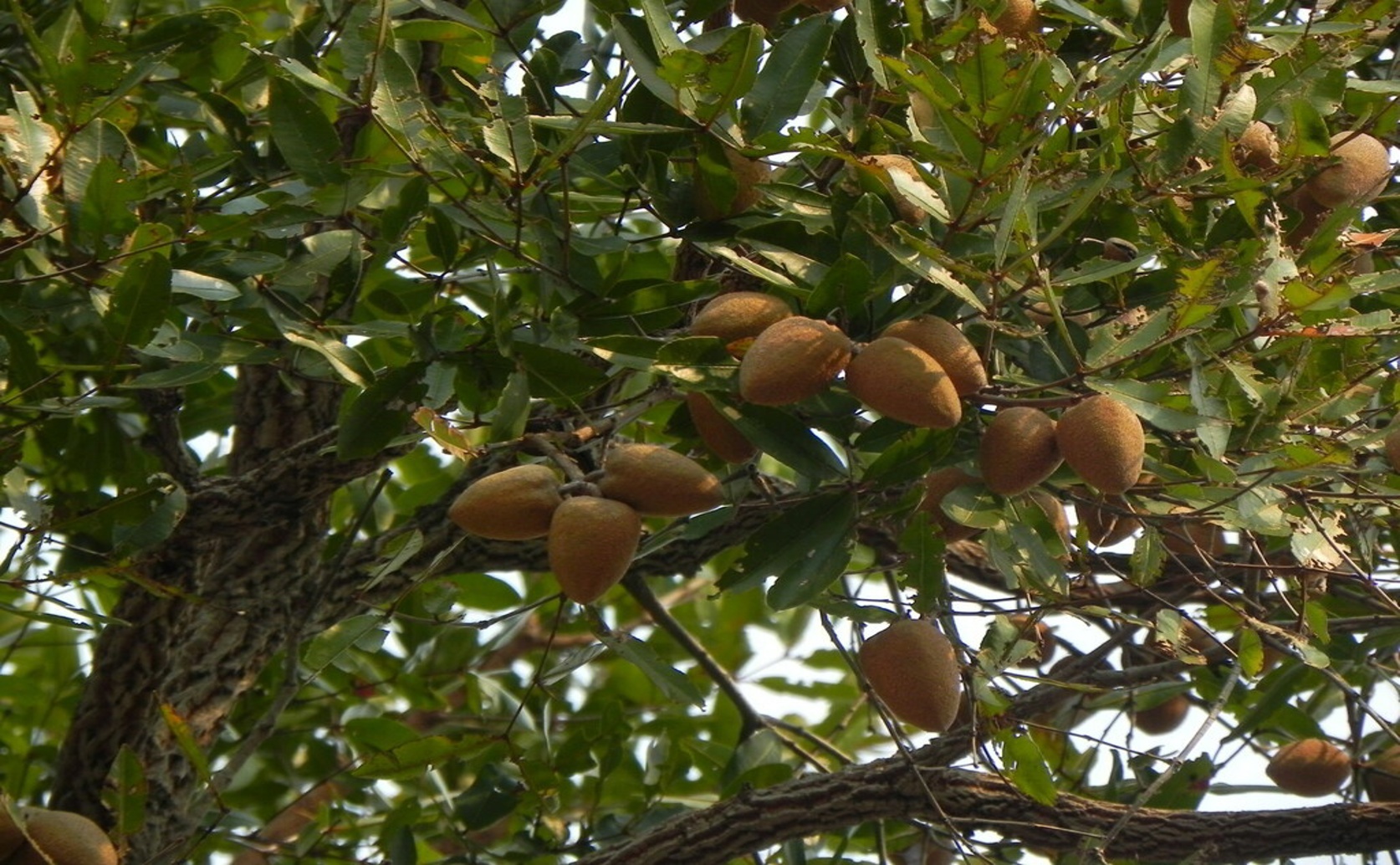
Qualea parviflora

Photo adapted from: Thomaz Ricardo Favreto Sinani / CC BY (Source)

Key Findings

  • In Brazil's Cerrado, researchers identified around 1,605 tree species, but only 30 types make up half of all trees
  • Since 1985, the Cerrado has lost approximately 24 billion trees due to deforestation, endangering many species
  • Up to 800 additional tree species may still be undiscovered and could disappear without urgent conservation efforts
Estimating the number of tree species in the world's diverse ecosystems is a complex challenge due to logistical, financial, and taxonomic hurdles[2]. The Brazilian Cerrado, recognized as the largest savanna in the Americas and the most tree-biodiverse region globally, exemplifies this uncertainty. Despite being critically endangered—with only 8% of its area protected and over half deforested—the full extent of its tree diversity and abundance has remained largely uncharted. A recent study conducted by researchers at Universidade do Estado de Mato Grosso[1] addresses this gap by providing a comprehensive estimate of tree species in the Cerrado. Utilizing an extensive eco-floristic dataset encompassing 222 one-hectare plots, the study estimates that the Cerrado hosts approximately 1,605 tree species. This remarkable diversity is accompanied by a phenomenon known as hyperdominance, where a small fraction of species disproportionately represents the total tree population. Specifically, fewer than 2% of the species—around 30 in number—account for half of all trees in the region. Notably, the Vochysiaceae family alone constitutes 17% of all trees, and the most abundant species, Qualea parviflora, makes up about one in every fourteen trees. In stark contrast, 63% of the tree species are classified as rare, with fewer than 100 individuals recorded across all surveyed plots. The study also highlights the significant loss of tree populations in the Cerrado. Through remote sensing and spatial modeling, the researchers estimate that approximately 24 billion trees have been lost since 1985. This number is staggering, equating to three times the current human population on Earth. Moreover, the study suggests that up to 800 tree species may still remain undetected within Cerrado ecosystems. These undiscovered species face imminent extinction threats due to ongoing deforestation, projecting a potential loss within the next few decades. These findings resonate with earlier research on global tree species diversity[2], which estimated around 73,000 tree species worldwide and identified South America as a hotspot for undiscovered species. The Cerrado's estimated 1,605 species contribute significantly to this global diversity, with the potential discovery of 800 additional species underscoring the region's rich yet vulnerable biodiversity. Furthermore, the high proportion of rare species in the Cerrado aligns with the global pattern where many undiscovered species tend to have low populations and limited distributions, often located in remote or specialized habitats[2]. Historical processes also play a crucial role in shaping the species richness of the Cerrado. Previous studies have shown that the plant diversity in the Cerrado is a result of recent and frequent adaptive shifts, particularly adaptations to fire[3]. The Cerrado's formation was driven by in situ diversification, where lineages adapted to resist fire, rather than by the dispersal of already fire-adapted species from other regions. This adaptive flexibility has contributed to the Cerrado's high species richness, as it allowed for the coexistence of a diverse array of species in a dynamic and challenging environment. Climate change poses an additional threat to the Cerrado's biodiversity. Research from Universidade do Estado de Mato Grosso[4] indicates significant changes in temperature and humidity over recent decades. Between 1961 and 2019, maximum temperatures increased by 2.2-4.0°C, and minimum temperatures rose by 2.4-2.8°C. These temperature increases have led to a higher vapor pressure deficit and a reduction in relative humidity by approximately 15%. Such climatic shifts affect nocturnal dewfall, which is a critical water source for many Cerrado plants and animals during the dry season. The diminishing dew point depression suggests that nightly cooling will become insufficient to produce dew, potentially leading to reduced water availability and increased stress on biodiversity. The current study builds on these insights by quantifying the tree diversity and highlighting the extent of deforestation's impact on the Cerrado. By combining field data with remote sensing and spatial modeling, the researchers provide a robust estimate of tree species richness and the scale of tree loss. The identification of hyperdominance within the Cerrado mirrors similar patterns observed in Amazonian forests, where a few species dominate the landscape while a large number of species remain rare. This parallel underscores the broader risks both biomes face from fragmentation, deforestation, and land-use changes, which threaten to disrupt ecological balances and lead to significant species loss. The urgent need for conservation efforts in the Cerrado is evident from the study's findings. With a substantial portion of its trees already lost and many species at risk of extinction, the region's biodiversity is under significant threat. Protecting and restoring the Cerrado is not only vital for preserving its unique tree diversity but also for maintaining the broader ecological functions it supports. The study emphasizes that without immediate and effective conservation measures, the Cerrado could experience irreversible losses, diminishing its role in global biodiversity and disrupting the ecological services it provides. In conclusion, the research from Universidade do Estado de Mato Grosso offers a critical assessment of the Cerrado's tree diversity and the severe impacts of deforestation. By integrating previous findings on global tree diversity[2], the adaptive history of Cerrado species[3], and the effects of climate change[4], the study provides a comprehensive understanding of the challenges facing this vital biome. The alarming rate of tree loss and the potential extinction of numerous species call for urgent conservation actions to protect the Cerrado's invaluable biodiversity and ensure its resilience in the face of ongoing environmental changes.

EnvironmentEcologyPlant Science

References

Main Study

1) Tree species hyperdominance and rarity in the South American Cerrado

Published 3rd May, 2025

https://doi.org/10.1038/s42003-025-07623-w


Related Studies

2) The number of tree species on Earth.

https://doi.org/10.1073/pnas.2115329119


3) Recent assembly of the Cerrado, a neotropical plant diversity hotspot, by in situ evolution of adaptations to fire.

https://doi.org/10.1073/pnas.0903410106


4) The Brazilian Cerrado is becoming hotter and drier.

https://doi.org/10.1111/gcb.15712


Related Articles

An unhandled error has occurred. Reload 🗙