
Regeneration Challenges for Sea Buckthorn After Spreading on the Tibetan Plateau
Greg Howard
25th December, 2024


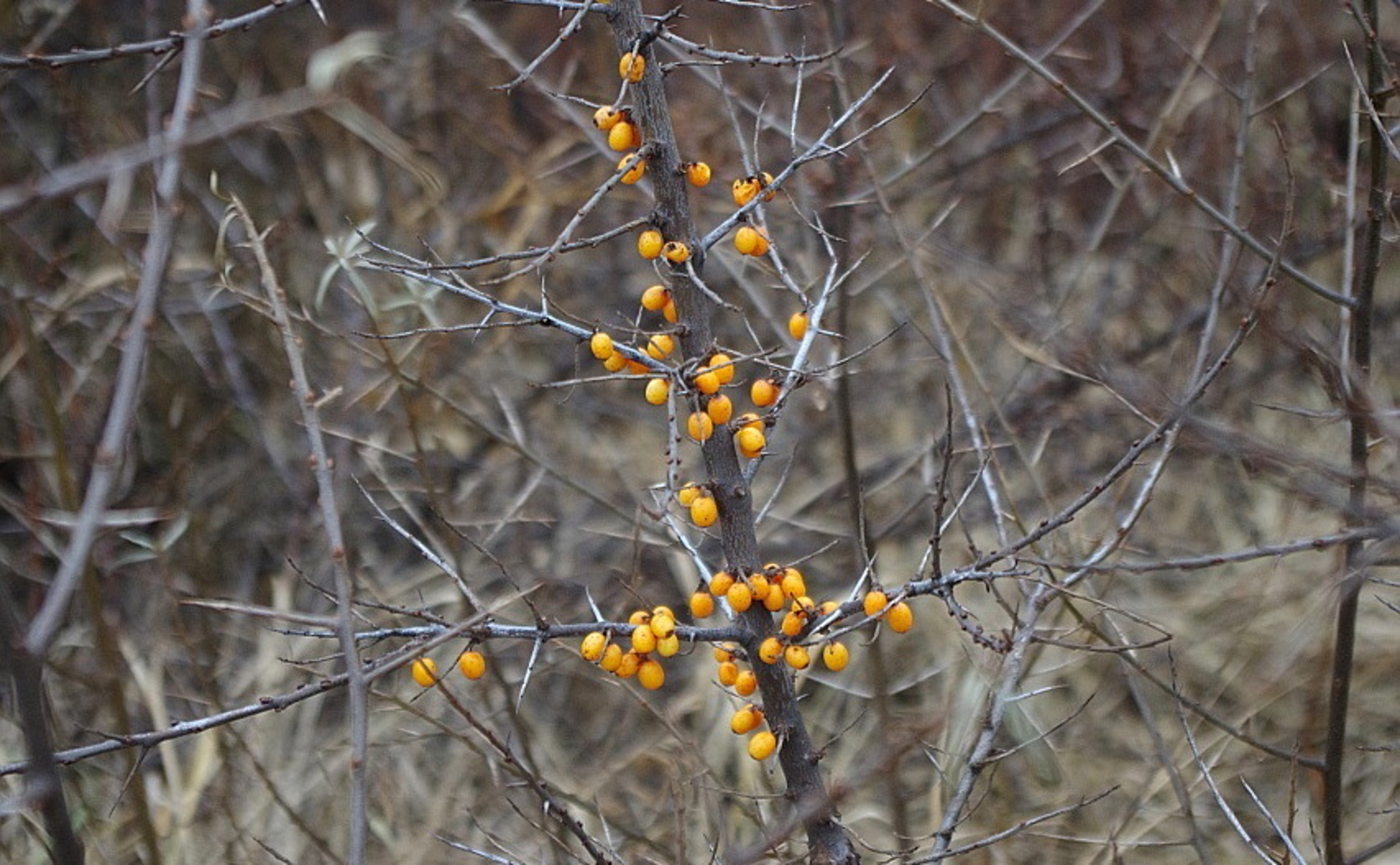
Sea-buckthorn (Hippophae rhamnoides)
Key Findings
- The study focused on the alpine grasslands of the Qinghai-Tibetan Plateau, where the shrub H. rhamnoides is encroaching on grasslands
- H. rhamnoides initially spreads through seeds and then uses clonal reproduction to capture resources, followed by increased sexual reproduction to boost genetic diversity
- Seed production and storage by H. rhamnoides are sufficient, and seedling formation is facilitated by high seed vigor and effective water transport channels
- The main limitations to H. rhamnoides regeneration are microhabitats, particularly light availability and feeding pressure, which affect seedling survival rates
EnvironmentEcologyPlant Science
References
Main Study
1) Regeneration Limitations of Hippophae rhamnoides Population After Successfully Encroached on the Qinghai-Tibetan Plateau.
Published 24th December, 2024
https://doi.org/10.1002/ece3.70684
Related Studies
2) Shrub invasion decreases diversity and alters community stability in northern Chihuahuan Desert plant communities.
Related Articles
 2nd August, 2024 | Jenn Hoskins