Watering And Feeding Tomatoes: Effects On Soil Health

Jenn Hoskins
20th August, 2025

Watering And Feeding Tomatoes: Effects On Soil Health

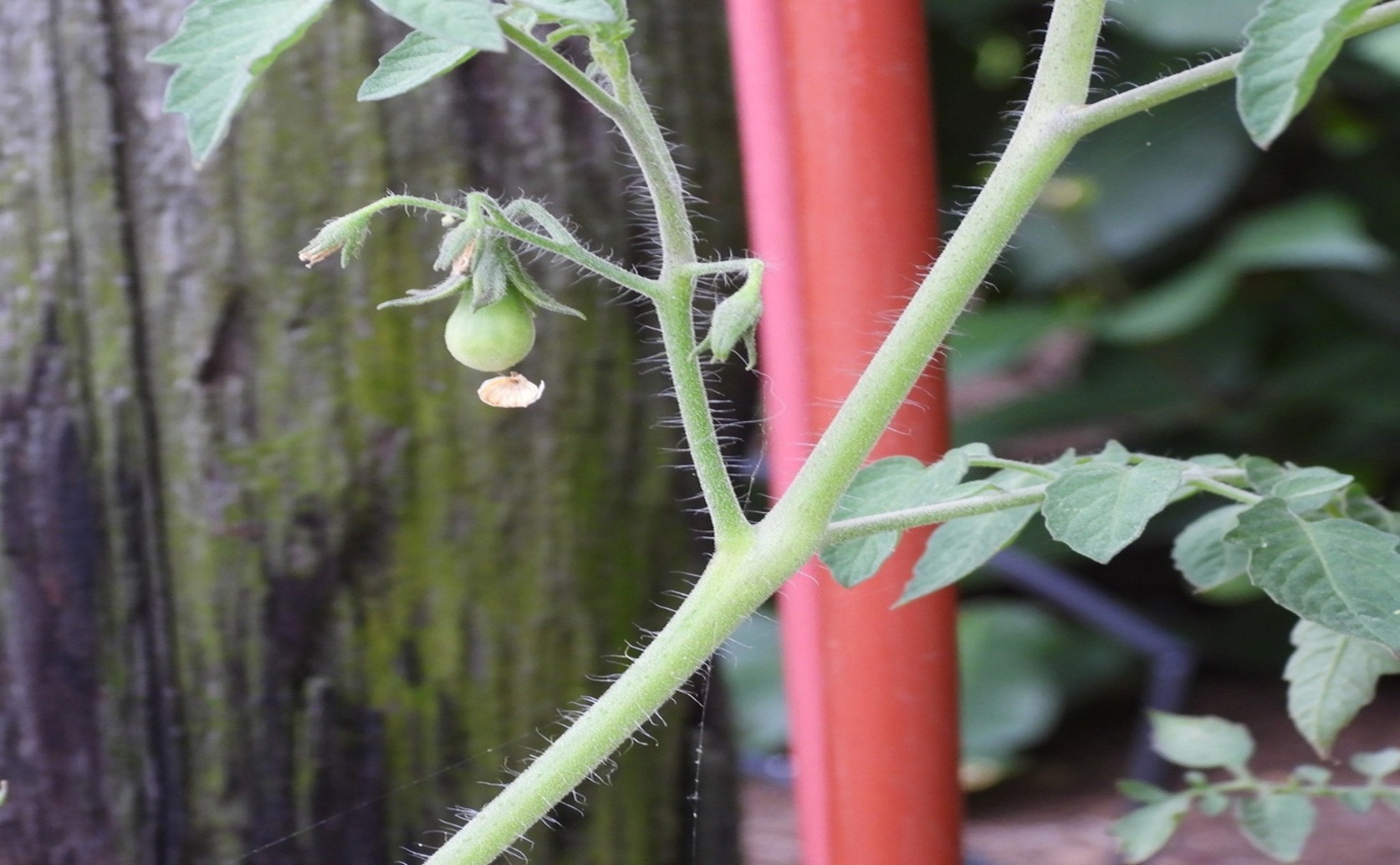
Tomato (Solanum lycopersicum)

Photo adapted from: Peter Burka / CC BY SA (Source)

Key Findings

  • A study in northern China's greenhouses found that combining organic and chemical fertilizers with slight water deficit greatly boosts beneficial soil microbes and enzyme activity
  • This sustainable method enhances soil health, improves nutrient cycling, and reduces water and chemical use, leading to better crop productivity and less environmental pollution
Growing vegetables in arid and semi-arid regions presents significant challenges, particularly concerning the efficient use of water and fertilizers. For instance, in northern China, conventional practices for greenhouse tomato production often involve excessive nitrogen (N) fertilizer and flood irrigation. This leads to low nutrient use efficiency and considerable environmental harm, as nitrate (NO3-) and dissolved organic nitrogen (DON) can leach into groundwater, contaminating it[2]. Such practices highlight an urgent need for sustainable strategies that can maintain crop yields while minimizing environmental impact and conserving resources. A recent study conducted by researchers from Yuncheng University, Universiti Sains Malaysia, and Universidade de Coimbra, PORTUGAL, delved into how different irrigation levels and fertilizer types influence soil microbial communities and tomato health in greenhouse settings[1]. The research aimed to identify optimal water and fertilizer management strategies that could enhance microbial activity and nutrient cycling, thereby improving the overall sustainability of tomato production in water-stressed areas. The study utilized a controlled pot experiment in a greenhouse. Tomato plants were subjected to three irrigation levels: I1 (optimal water), I2 (slight water deficit), and I3 (severe water deficit). Alongside these, four distinct fertilization modes were tested: C1 (a combination of soluble organic and inorganic fertilizers), C2 (solely soluble inorganic fertilizer), C3 (a mix of sheep manure and inorganic fertilizer), and C4 (solely soluble organic fertilizer). The scientists then analyzed various aspects of the soil, including the diversity and composition of bacterial communities using advanced genetic sequencing techniques that identify amplicon sequence variants (ASVs) – a precise measure used to differentiate bacterial types within a sample. They also measured the activity of key soil enzymes and assessed plant growth and physiological responses. The findings revealed that both irrigation levels and fertilizer types significantly influenced the richness and diversity of bacterial communities in the soil. Notably, the C1 treatment, which combined soluble organic and inorganic fertilizers, resulted in the highest bacterial alpha diversity, as measured by the Shannon index. Alpha diversity indicates the variety and evenness of species within a single sample. This suggests that a balanced approach to fertilization, integrating both organic and inorganic sources, creates a more hospitable environment for a wider range of beneficial soil microbes. This contrasts with some earlier research, such as a study on terrestrial ecosystems, which found that elevated nitrogen inputs primarily shifted microbial community composition without significantly affecting overall bacterial diversity[3]. The current study, by exploring different forms of nitrogen and their interaction with water stress, demonstrates that the type and combination of fertilizers can indeed play a crucial role in enhancing microbial diversity. Beyond diversity, the C1 treatment also led to the most distinct community structures, particularly under severe water deficit (I3), as shown by beta diversity analysis. Beta diversity compares the microbial community structure between different samples, indicating how different treatments shape unique microbial populations. Interestingly, under slight deficit irrigation (I2), microbial communities showed greater similarity across different fertilizer treatments, suggesting that moderate water stress might promote a balance between microbial community stability and their functional specialization. A key aspect of the study was the measurement of soil enzyme activities. Soil enzymes are crucial for breaking down organic materials and making nutrients available to plants. As highlighted by previous research, soil enzyme activity is a reliable indicator of soil properties and an efficient way to evaluate soil fertility, reflecting the intensity of biochemical reactions in the soil that drive nutrient cycling and enhance microbial activities[4]. The current study found that the C1 treatment significantly boosted the activity of important enzymes like phosphatase and catalase. Phosphatase is vital for making phosphorus available to plants, while catalase helps protect cells from oxidative damage. The strong positive correlations observed between these enzyme activities and microbial diversity indices (like ASVs and Shannon index) underscore the interconnectedness of a diverse microbial community and enhanced nutrient cycling. Regarding irrigation, the study showed that severe deficit irrigation (I3) generally decreased bacterial diversity. However, slight deficit irrigation (I2) managed to sustain higher microbial abundance compared to severe deficit conditions. Furthermore, I2 elevated soil pH, available phosphorus, and soil nitrate nitrogen, indicating improved nutrient availability under moderate water stress. This suggests that a carefully managed slight water deficit can optimize soil conditions for microbial activity and nutrient uptake, which aligns with the goals of sustainable agriculture. This approach complements findings from other studies, such as one on tomato plants where specific plant growth-promoting rhizobacteria (PGPR) were inoculated under deficit irrigation to optimize water use[5]. While that study focused on introducing specific beneficial bacteria, the current research explores how general fertilizer and irrigation management can foster a naturally robust and diverse microbial community, achieving similar benefits through broader ecosystem management. The dominant bacterial groups identified in the study included Actinobacteriota, Proteobacteria, Chloroflexi, and Acidobacteriota. Proteobacteria, in particular, are often associated with high nutrient availability and are considered "copiotrophic" taxa, meaning they thrive in nutrient-rich environments[3]. The presence and activity of these groups, especially under the optimized C1 and I2 conditions, indicate a shift towards a more active microbial community capable of efficient nutrient cycling. In conclusion, this research from Yuncheng University, Universiti Sains Malaysia, and Universidade de Coimbra provides valuable insights into how combining specific fertilizer types with water-saving irrigation strategies can optimize soil microbial activity and nutrient cycling in greenhouse tomato production. By demonstrating that a soluble organic-inorganic fertilizer combination under slight deficit irrigation fosters a diverse and active microbial community, the study offers practical pathways for precision management of agroecosystems in water-constrained regions. This approach directly addresses the environmental concerns of excessive N and water use highlighted in previous studies[2], offering a sustainable solution that enhances both soil health and crop productivity.

AgricultureEcologyPlant Science

References

Main Study

1) Effects of water and fertilizer management on soil bacterial communities, enzyme activities, and nutrient availability in greenhouse tomatoes

Published 19th August, 2025

https://doi.org/10.1371/journal.pone.0328793


Related Studies

2) Drip fertigation significantly reduces nitrogen leaching in solar greenhouse vegetable production system.

https://doi.org/10.1016/j.envpol.2018.11.042


3) Comparative metagenomic, phylogenetic and physiological analyses of soil microbial communities across nitrogen gradients.

https://doi.org/10.1038/ismej.2011.159


4) Using enzyme activities as an indicator of soil fertility in grassland - an academic dilemma.

https://doi.org/10.3389/fpls.2023.1175946


5) The Interactive Effects of Deficit Irrigation and Bacillus pumilus Inoculation on Growth and Physiology of Tomato Plant.

https://doi.org/10.3390/plants12030670


Related Articles

An unhandled error has occurred. Reload 🗙