Analyzing Bacterial Diversity in Potato Root Soil for Pest Control

Jenn Hoskins
12th May, 2025

Analyzing Bacterial Diversity in Potato Root Soil for Pest Control

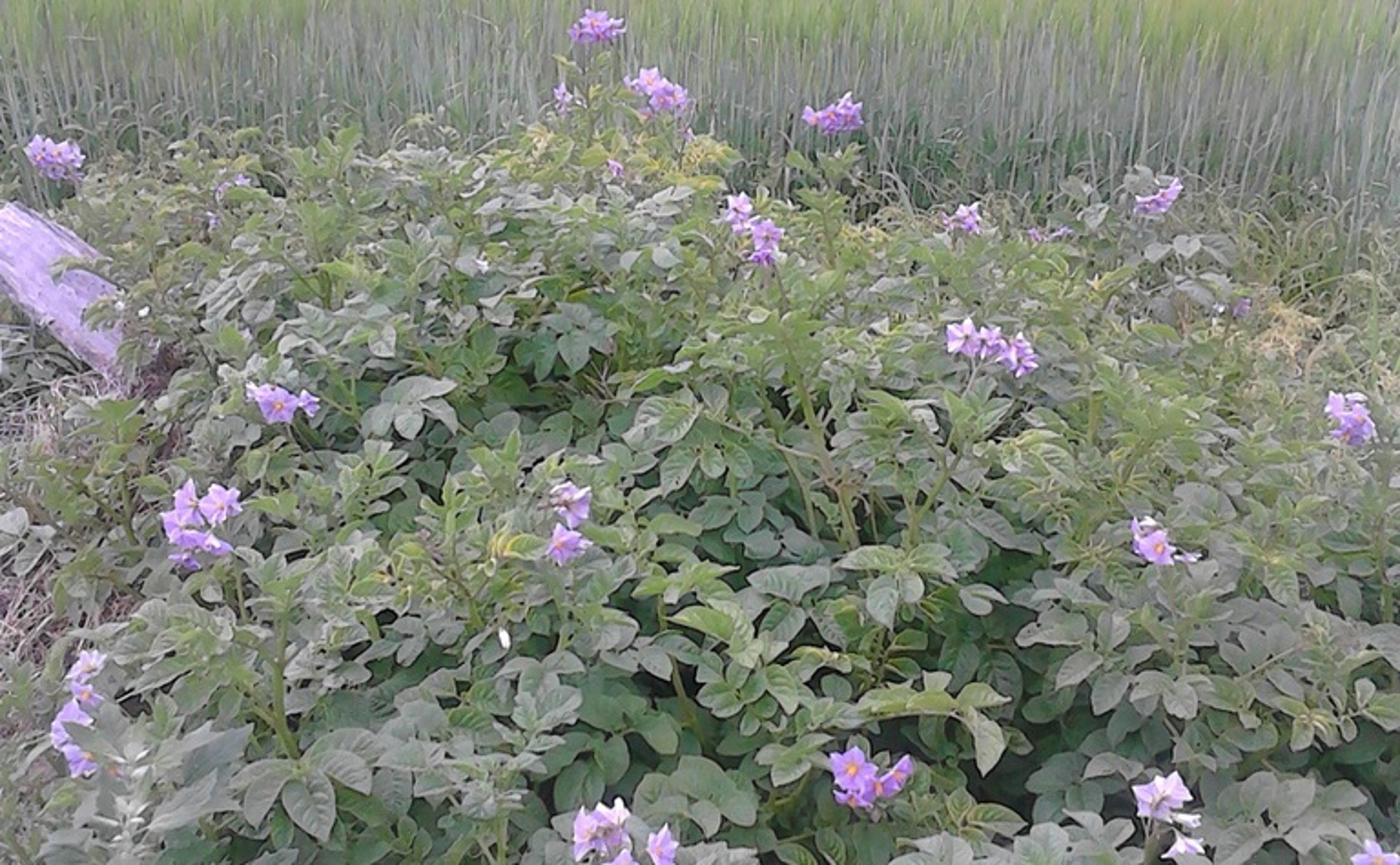
Potato (Solanum tuberosum)

Photo adapted from: Joe Potter Butler / CC BY (Source)

Key Findings

  • In Kenya, researchers found that specific soil bacteria naturally help protect potato crops from harmful pests like Potato Cyst Nematodes (PCN)
  • The dominant bacteria, Enterobacter and Pseudomonas, promote plant growth and suppress pests, potentially reducing the need for chemical pesticides
  • Utilizing these beneficial microbes offers a sustainable way to improve soil health, enhance potato yields, and support farmers' livelihoods
Potato farming is a vital agricultural activity in Kenya, providing essential nutrition and income for many farmers. However, the productivity of potato crops is significantly threatened by Potato Cyst Nematodes (PCN), particularly species like Globodera rostochiensis and Globodera pallida. These pests cause considerable yield losses and economic strain, undermining the country's food security[2]. Understanding the complex interactions between potato plants and the microorganisms in the soil is crucial for developing sustainable strategies to manage PCN and enhance soil health. The microbial communities surrounding plant roots, known as the rhizosphere microbiome, play a significant role in plant health by promoting growth and suppressing soil-borne pathogens[3]. Recent research has emphasized the potential of these microbial communities to naturally control diseases, suggesting that harnessing beneficial bacteria could be an effective approach to managing PCN infestations[4]. A recent study conducted by researchers at Karatina University in Kenya delves into this promising area of research[1]. This study aimed to explore the bacterial communities present in the rhizosphere of potato plants affected by PCN compared to those that are not. By analyzing 180 soil samples from two major potato-producing counties, the researchers employed shotgun metagenomics—a method that sequences all the genetic material in a sample—to identify and characterize the bacteria present. The analysis revealed that two bacterial families, Enterobacteriaceae and Pseudomonadaceae, were the most dominant in the soil samples. Within these families, the genera Pseudomonas and Enterobacter were particularly abundant. These bacteria are well-known for their plant growth-promoting properties, including the ability to control soil pathogens and enhance nutrient availability to plants. Such traits make them valuable allies in the fight against PCN, as they can potentially reduce the reliance on chemical pesticides and promote healthier crop growth. Furthermore, the study conducted functional analyses using databases like KEGG and Pfam to identify genes and metabolic pathways that contribute to soil and plant health. The findings highlighted an abundance of genes related to nutrient cycling, transport systems, and metabolic functions. Notably, genes involved in iron acquisition and chemotaxis were prevalent, suggesting that these bacteria are well-equipped to thrive in the soil environment and support plant health by mobilizing essential nutrients and responding to plant signals. This research not only provides the first comprehensive report on the bacterial ecology of PCN-infested potato rhizospheres in Kenya but also builds on previous findings about the importance of microbial communities in plant health and disease suppression[3][4]. By identifying specific bacterial families and their functional roles, the study lays the groundwork for developing biological control strategies that leverage these natural microbial allies to manage PCN populations effectively. Moreover, the study aligns with earlier research highlighting the prevalence and distribution of PCN in Kenya's potato-growing regions[2]. With Nyandarua County identified as having the highest incidence of PCN, understanding the microbial dynamics in this area is particularly valuable. The insights gained from this study could inform targeted interventions, such as introducing or promoting beneficial bacteria in high-risk areas, to mitigate the impact of PCN and improve overall soil health. Incorporating these beneficial microorganisms into agricultural practices offers a sustainable and environmentally friendly alternative to conventional pest control methods. By enhancing the natural suppressiveness of the soil against PCN, farmers can achieve better crop yields and reduce economic losses without relying heavily on chemical inputs. This approach not only supports the immediate needs of potato farmers but also contributes to long-term soil fertility and ecosystem health. The findings from Karatina University's study represent a significant step forward in agricultural research in Kenya. By bridging the gap between microbial ecology and practical pest management, this research provides actionable insights that can help secure potato production against the persistent threat of PCN. Future studies may build on this work by exploring the specific interactions between identified bacterial genera and PCN, as well as by testing the efficacy of introducing beneficial microbes in field conditions. Overall, the integration of microbial community analysis with pest management strategies holds great promise for enhancing the resilience and sustainability of potato farming in Kenya. As research continues to uncover the intricate relationships between plants and their associated microbes, farmers and scientists alike can work together to develop innovative solutions that ensure food security and economic stability in the face of agricultural challenges.

AgricultureEcologyPlant Science

References

Main Study

1) Metagenomic characterization of bacterial abundance and diversity in potato cyst nematode suppressive and conducive potato rhizosphere

Published 9th May, 2025

https://doi.org/10.1371/journal.pone.0323382


Related Studies

2) Potato Cyst Nematodes: A New Threat to Potato Production in East Africa.

https://doi.org/10.3389/fpls.2020.00670


3) The rhizosphere microbiome and plant health.

https://doi.org/10.1016/j.tplants.2012.04.001


4) Mechanisms of natural soil suppressiveness to soilborne diseases.

Journal: Antonie van Leeuwenhoek, Issue: Vol 81, Issue 1-4, Aug 2002


Related Articles

An unhandled error has occurred. Reload 🗙