Young Corn Plants Affect Soil Bacteria More Than Farming Methods

Jim Crocker
2nd May, 2025

Young Corn Plants Affect Soil Bacteria More Than Farming Methods

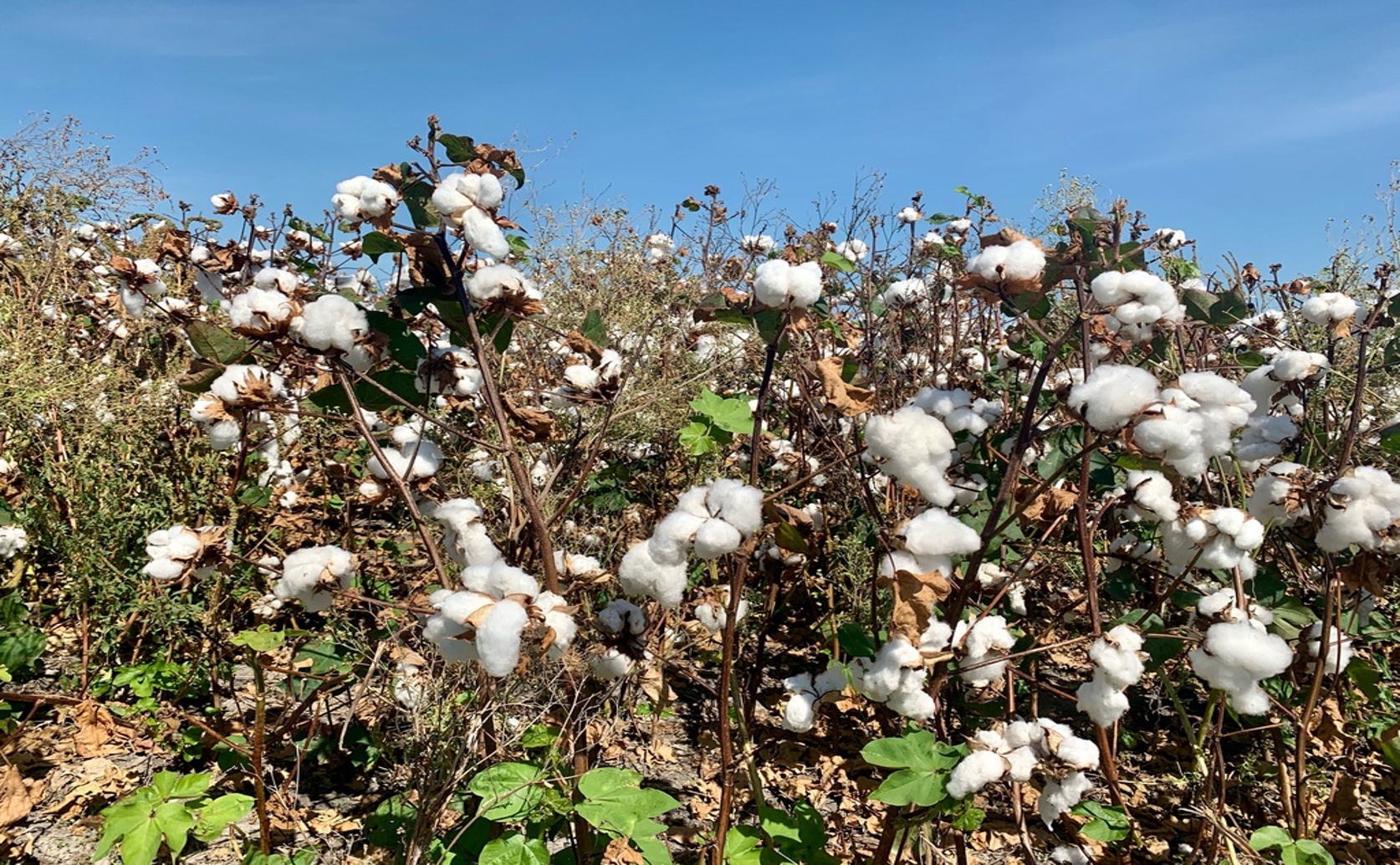
Upland Cotton (Gossypium hirsutum), one of the species mentioned.

Photo adapted from: Jane Weeden / CC BY (Source)

Key Findings

  • A study in Mexico found that rotating wheat with cotton farming increases soil carbon levels by 1.4 times compared to traditional cotton methods
  • Adding young maize plants or their fibers to the soil significantly improves beneficial bacteria, unlike using urea fertilizer
  • These organic practices enhance soil health by boosting bacteria that recycle nutrients and support plant growth
Soil health is crucial for sustainable agriculture, as it supports plant growth and maintains ecosystem balance. Farming practices, such as tillage and crop rotation, can significantly influence the structure of soil bacterial communities, which play vital roles in nutrient cycling and organic matter decomposition. Understanding how these practices impact beneficial bacteria can help farmers adopt methods that enhance soil fertility and productivity. A recent study conducted by scientists at Cinvestav, Mexico[1] explored how different farming practices affect soil bacterial communities in an Australian Vertisol, a type of clay-rich soil. The researchers focused on whether bacterial groups responsible for breaking down organic material are similarly impacted by these practices. They investigated the effects of applying young maize plants, their neutral detergent fibre fraction (a component of plant material), or urea (a common nitrogen fertilizer) to the soil. The soil was managed using three different farming systems: conventional tillage with continuous cotton, minimum tillage with continuous cotton, and a wheat-cotton rotation. The study found that the wheat-cotton rotation system had 1.4 times higher soil organic carbon (SOC) compared to the conventional tillage with continuous cotton. Organic carbon is essential for maintaining soil structure and fertility, as it serves as a primary energy source for soil microorganisms. In this study, about 41.6% of the added organic carbon came from young maize plants, while 13.1% of the neutral detergent fibre was broken down after 28 days. These findings align with previous research showing that practices like reduced tillage and crop residue retention can improve soil bacterial diversity and carbon content[2][3]. Using advanced genetic sequencing techniques, the researchers analyzed changes in the bacterial community by sequencing the 16S rRNA gene, a marker commonly used to identify and classify bacteria. They discovered that applying young maize plants and the neutral detergent fibre fraction significantly altered both the composition and the metabolic functions of the bacterial community. In contrast, applying urea did not produce similar changes. This suggests that organic materials from plants have a more substantial impact on soil bacteria than inorganic fertilizers like urea. The application of organic materials enriched several bacterial groups, including Streptomyces, Nocardioides, and Kribbella. These bacteria are known for their ability to decompose complex organic substances, contributing to nutrient cycling and soil health. The enhancement of these groups supports findings from earlier studies that show how residue retention practices favor beneficial bacteria[2][4]. Additionally, the study indicated that the different cotton farming systems had limited effects on the overall bacterial community. Instead, the introduction of maize plants or their fibre had a more pronounced impact, highlighting the importance of crop residues in shaping soil microbial communities. Further analysis revealed that the presence of organic material favored copiotrophic bacteria—those that thrive in nutrient-rich environments. This is consistent with previous research classifying certain bacterial phyla into copiotrophic and oligotrophic categories based on their nutrient preferences[5]. Copiotrophic bacteria, such as Proteobacteria and Bacteroidetes, respond positively to increased nutrient availability, while oligotrophic bacteria like Acidobacteria prefer nutrient-poor conditions[3][5]. The study by Cinvestav, Mexico supports this classification, showing that organic amendments specifically boosted copiotrophic groups. The study also examined the metabolic functions of the bacterial communities, finding that those involved in carbon and nitrogen cycling were particularly influenced by the application of organic materials. This suggests that organic amendments not only increase bacterial diversity but also enhance the soil’s ability to process and recycle essential nutrients. Such improvements are vital for maintaining soil fertility and reducing the need for chemical fertilizers, which can have negative environmental impacts. Interestingly, the application of urea did not significantly alter the bacterial community or its metabolic functions. This finding contrasts with practices that rely heavily on chemical fertilizers, which may not support the same level of microbial diversity and functional capacity as organic amendments[3]. It underscores the potential benefits of integrating organic materials into farming systems to promote a more resilient and productive soil microbiome. Overall, the study demonstrates that farming practices incorporating organic materials, such as crop residues, have a more substantial and beneficial impact on soil bacterial communities than conventional chemical fertilizers. By enhancing both the diversity and functional capabilities of soil bacteria, these practices can improve soil health, support sustainable agriculture, and contribute to long-term ecosystem stability. These findings build upon earlier research that highlighted the importance of bacterial diversity in soil health and nutrient cycling[2][3][4][5]. By providing concrete evidence of how specific farming practices influence bacterial communities, the study by Cinvestav, Mexico offers valuable insights for developing agricultural strategies that optimize soil microbiomes for better crop yields and environmental sustainability.

AgricultureEcologyPlant Science

References

Main Study

1) Young maize plants impact the bacterial community in Australian cotton‐sown vertisol more than agricultural practices

Published 30th April, 2025

https://doi.org/10.1111/1758-2229.13322


Related Studies

2) Phylogenetic and multivariate analyses to determine the effects of different tillage and residue management practices on soil bacterial communities.

https://doi.org/10.1128/AEM.02726-09


3) Investigating the effects of organic amendments on soil microbial composition and its linkage to soil organic carbon: A global meta-analysis.

https://doi.org/10.1016/j.scitotenv.2023.164899


4) Soil Bacterial Diversity Is Positively Correlated with Decomposition Rates during Early Phases of Maize Litter Decomposition.

https://doi.org/10.3390/microorganisms9020357


5) Toward an ecological classification of soil bacteria.

Journal: Ecology, Issue: Vol 88, Issue 6, Jun 2007


Related Articles

An unhandled error has occurred. Reload 🗙