Choosing Plants for Between Vine Rows Needs Local Conditions

Jim Crocker
24th March, 2025

Choosing Plants for Between Vine Rows Needs Local Conditions

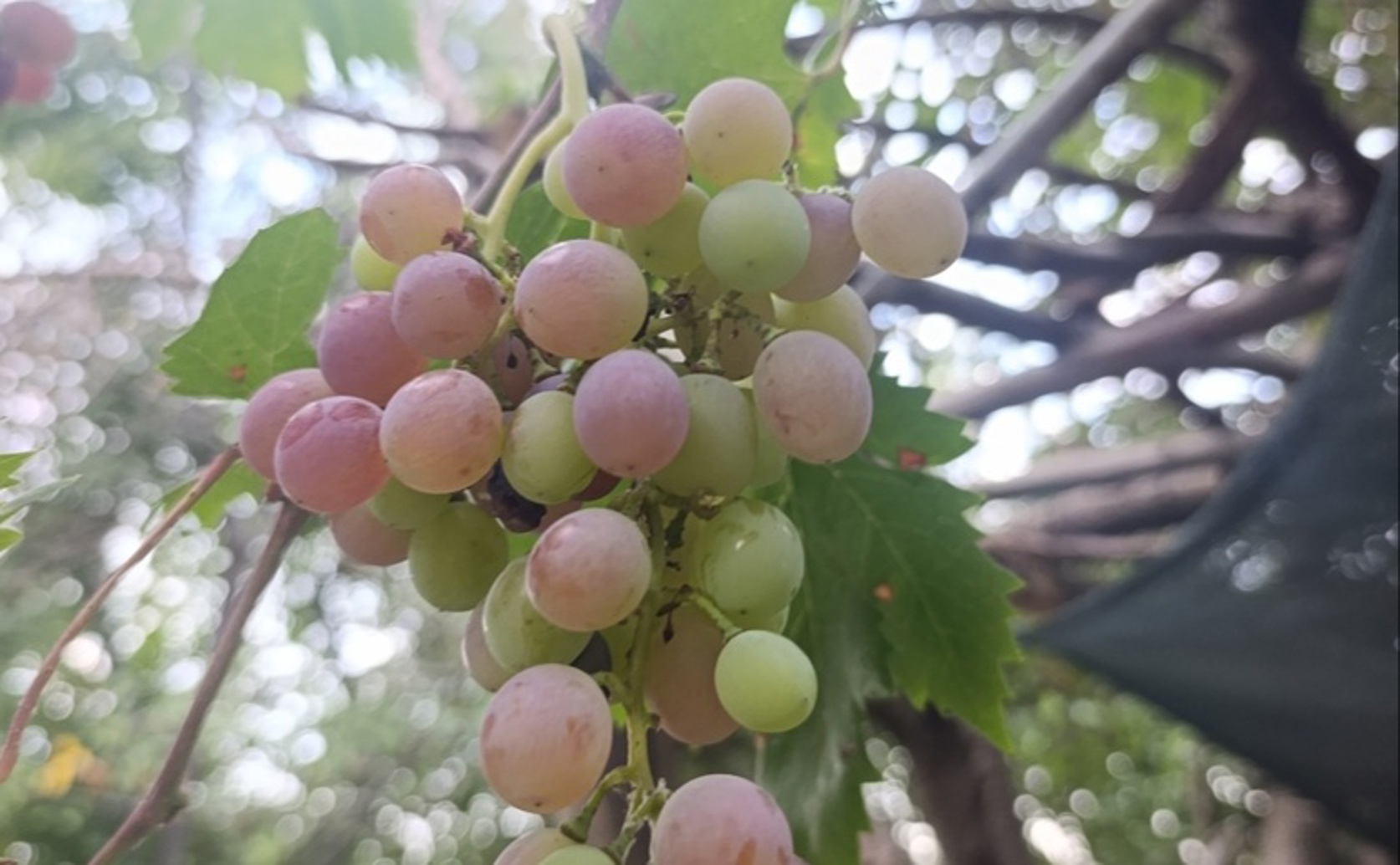
Wine grape (Vitis vinifera), one of the species mentioned.

Photographer: Batuhan Öztürk

Key Findings

  • *In an Italian vineyard, planting Shedonorus arundinaceus kept ground cover stable and prevented weed growth, supporting a healthy ecosystem.*
  • *Having dense plant coverage reduced soil erosion and compaction, no matter which plant species were used.*
  • *Using mulch didn’t significantly impact soil health, showing that simply maintaining vegetation is most important.*
Vegetation between vineyard rows plays a crucial role in maintaining healthy ecosystems. These inter-row plants, often referred to as service crops, provide various benefits such as reducing soil erosion, improving soil structure, and supporting biodiversity. However, the effectiveness of these benefits largely depends on the types of species or mixtures chosen for planting. A recent study conducted by researchers at the University of Padua[1] explored how different vegetation compositions in vineyard inter-rows affect the microenvironment and overall vineyard health. The study was performed in an organically managed Cabernet Sauvignon vineyard in north-eastern Italy. Researchers tested three blends of grass species—Shedonorus arundinaceus, Lolium perenne, and Festuca rubra—and two grass-legume mixtures. These were compared against spontaneous vegetation and regularly tilled bare soil. Additionally, each vegetation type, including the natural resident vegetation, was subjected to mulching and non-mulching treatments to assess their impact. The primary goal was to evaluate how these different vegetation types respond to varying microenvironmental conditions and how they influence factors such as soil compaction, temperature, moisture, and ultimately, vine performance. Over two years, the study monitored the persistence of the sown vegetation, changes in vine growth, grape composition, and soil health indicators like compaction and erosion. One significant finding was that weed invasion altered the botanical composition of all vegetation types except for the Shedonorus arundinaceus blend, which remained stable throughout the study period. This stability is crucial as it ensures consistent ecosystem services without the need for frequent reseeding. Additionally, the study found that vine health parameters were not significantly affected by the type of inter-row vegetation. This aligns with earlier research that highlighted the importance of vegetation management in maintaining vineyard health without necessarily impacting vine growth negatively[2]. Soil compaction and erosion were more closely related to the overall percentage of vegetation cover rather than the specific type of vegetation. This suggests that having a robust ground cover is essential for protecting the soil, regardless of the particular species used. Interestingly, mulching did not have a significant effect on the measured parameters, indicating that the presence of vegetation itself is more critical than additional ground treatments. The study also revealed that certain species thrived under specific microenvironmental conditions. For instance, Lolium perenne was more abundant in areas with greater soil compaction, such as the southwest and northeast sections of the inter-row. This adaptability is similar to findings in previous studies where plant species showed varying abundances based on soil conditions and management practices[3]. Weed species like Cynodon dactylon, Setaria italica, and Plantago lanceolata were found to benefit from higher soil moisture and temperatures, highlighting the importance of selecting species that can thrive under the specific microclimatic conditions of a vineyard. Moreover, the research emphasized that microenvironmental adaptability should be a primary consideration when selecting species for vineyard inter-row cover. This approach ensures that the chosen vegetation can maintain its ecological functions under varying environmental conditions, thereby providing consistent benefits such as soil protection and biodiversity support. Integrating these findings with earlier studies, it becomes evident that managing inter-row vegetation is a balance between selecting resilient species and maintaining biodiversity. For example, previous research showed that diverse vegetation covers support a higher abundance of beneficial arthropods, which are essential for pest control and pollination in vineyards[3][4]. By choosing species like Shedonorus arundinaceus, which remains stable and provides soil protection, vineyards can enhance their ecological sustainability without compromising vine performance. In conclusion, the study from the University of Padua provides valuable insights into the management of inter-row vegetation in vineyards. By focusing on species adaptability to microenvironmental conditions, vineyards can optimize the benefits of ground cover, such as reducing soil erosion and supporting biodiversity, while maintaining healthy vine growth. This research builds on previous findings, reinforcing the importance of thoughtful vegetation management in sustainable agriculture.

AgricultureEcologyPlant Science

References

Main Study

1) Selecting species for vineyard inter-row vegetation cover requires consideration of microenvironmental conditions

Published 21st March, 2025

https://doi.org/10.1371/journal.pone.0319848


Related Studies

2) Selection of inter-row herbaceous covers in a sloping, organic, non-irrigated vineyard.

https://doi.org/10.1371/journal.pone.0279759


3) Vegetation increases abundances of ground and canopy arthropods in Mediterranean vineyards.

https://doi.org/10.1038/s41598-022-07529-1


4) Influence of Vineyard Inter-Row Groundcover Vegetation Management on Arthropod Assemblages in the Vineyards of North-Eastern Italy.

https://doi.org/10.3390/insects12040349


Related Articles

An unhandled error has occurred. Reload 🗙