Growth and Yield in Mixed Grass Lawns with Kentucky Bluegrass

Greg Howard
20th May, 2025

Growth and Yield in Mixed Grass Lawns with Kentucky Bluegrass

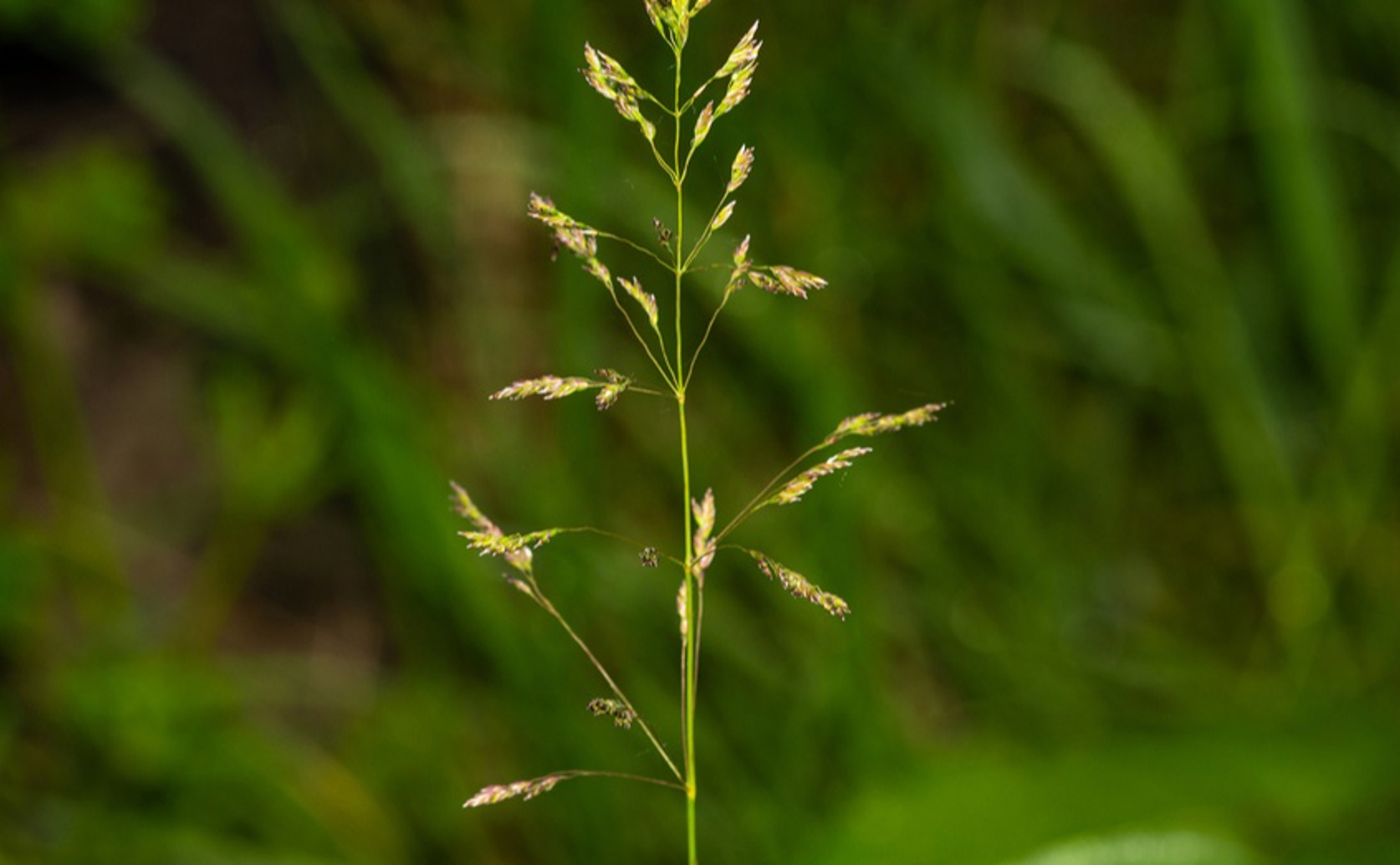
Smooth Meadow-grass (Poa pratensis)

Photo adapted from: Andrew Skotnicki / CC BY (Source)

Key Findings

  • In the Qinghai-Tibet Plateau, mixing Kentucky bluegrass with other species boosted forage production by up to 323% compared to single-species planting
  • The combination of Poa pratensis and Puccinellia tenuiflora provided the most stable and resilient yields over six years
  • These mixed grasslands also improved soil health, supporting sustainable livestock farming in the region’s harsh climate
Ecological restoration in the Qinghai-Tibet Plateau faces significant challenges due to harsh environmental conditions such as high altitude, low temperatures, and arid climates. Traditional monocultures of Kentucky bluegrass (Poa pratensis L.), despite their high growth rate and adaptability, often suffer from rapid degradation and low productivity, limiting their effectiveness for animal husbandry[1]. To address these issues, researchers at Qinghai University and the Chinese Academy of Forestry conducted a six-year field experiment. The study evaluated the production performance and interspecific relationships of different mixed-sown grasslands compared to monocultures. Specifically, the research tested three mixed-sown treatments: Poa pratensis combined with Siberian wildrye (Elymus sibiricus L.), Chinese fescue (Festuca sinensis Engler ex S.L.Lu), and alkali grass (Puccinellia tenuiflora). Each mixture was compared against its respective monoculture to determine the optimal cultivation strategy for the region. The study utilized advanced statistical methods, including Least Absolute Shrinkage and Selection Operator Regression (LASSO regression) and Receiver Operating Characteristic Curve Analysis (ROC curve analysis), to identify key factors influencing forage yield and overall grassland performance. These methods helped isolate the most significant variables contributing to productivity and stability in the grasslands. Findings revealed that the mixed-sown grassland of Elymus sibiricus and Poa pratensis significantly increased forage yield by 216.88% to 323.06% compared to monoculture Poa pratensis. Additionally, the comprehensive evaluation index, which combined forage yield and nutritional quality, was 16.41% higher for this mixture than for the monoculture. This substantial improvement indicates that diversifying species in grasslands can effectively mitigate the low productivity issues associated with monocultures. Furthermore, the study found that the mixture of Puccinellia tenuiflora and Poa pratensis outperformed other combinations in terms of yield stability and interspecific compatibility. From the third to the sixth year, the relative total yield (RTY) of this mixture consistently exceeded 1.0, demonstrating stable productivity over time. The Poa pratensis and Puccinellia tenuiflora combination achieved the highest stability value of 3.12, suggesting superior long-term resilience and compatibility between the species. These results build on previous research that highlighted the benefits of mixed cultivation in challenging environments. Study[2] demonstrated that mixed grasslands of Poa pratensis and Puccinellia tenuiflora enhanced soil enzyme activity and improved soil microbial communities, leading to increased soil nutrient levels and better nitrogen fixation. These improvements in soil health are crucial for sustaining high productivity and preventing degradation in high-altitude grasslands. Additionally, research in study[3] showed that plant species diversity positively affects ecosystem multifunctionality, including forage production and nitrogen cycling, without causing trade-offs among different functions. High species diversity in grasslands not only boosts productivity but also enhances environmental sustainability by maintaining multiple ecosystem functions simultaneously. The current study reinforces these findings by showing that mixed-sown grasslands can achieve higher productivity and stability compared to monocultures, aligning with the principles of sustainable ecosystem management[3]. By combining the insights from these studies, the current research provides a comprehensive strategy for grassland restoration in the Qinghai-Tibet Plateau. The mixed-sown approach, particularly with Poa pratensis and Puccinellia tenuiflora, offers a viable solution to enhance forage yield and ensure long-term stability. This strategy leverages the complementary strengths of different grass species to create a more resilient and productive ecosystem. The implications of this study are significant for sustainable agriculture and livestock management in high-altitude regions. Implementing mixed-sown grasslands can improve forage availability for livestock, reduce the risk of land degradation, and enhance soil health. These benefits contribute to the overall goal of sustainable intensification of agriculture, ensuring that ecological restoration efforts are both productive and environmentally sustainable. In conclusion, the research conducted by Qinghai University and the Chinese Academy of Forestry provides valuable insights into optimizing grassland cultivation in the Qinghai-Tibet Plateau. By promoting species diversity and utilizing mixed-sown grasslands, it is possible to achieve higher productivity and greater stability, addressing the limitations of traditional monocultures. This approach not only improves forage yield for animal husbandry but also enhances soil health and ecosystem multifunctionality, paving the way for sustainable agricultural practices in challenging environments.

AgricultureEcologyPlant Science

References

Main Study

1) Production performance in cultivated mixed-sown grasslands combining Poa pratensis L. and various Poaceae forage grasses

Published 19th May, 2025

https://doi.org/10.1371/journal.pone.0324084


Related Studies

2) The impact of mixed planting of Poaceae species in the Qinghai-Tibet plateau region on forage yield, soil nutrients, and soil microbial communities.

https://doi.org/10.3389/fpls.2024.1370593


3) Multispecies for multifunctions: combining four complementary species enhances multifunctionality of sown grassland.

https://doi.org/10.1038/s41598-021-82162-y


Related Articles

An unhandled error has occurred. Reload 🗙