Microbe Fats Boost Growth and Immunity for Aquaculture

Jenn Hoskins
1st August, 2025

Microbe Fats Boost Growth and Immunity for Aquaculture

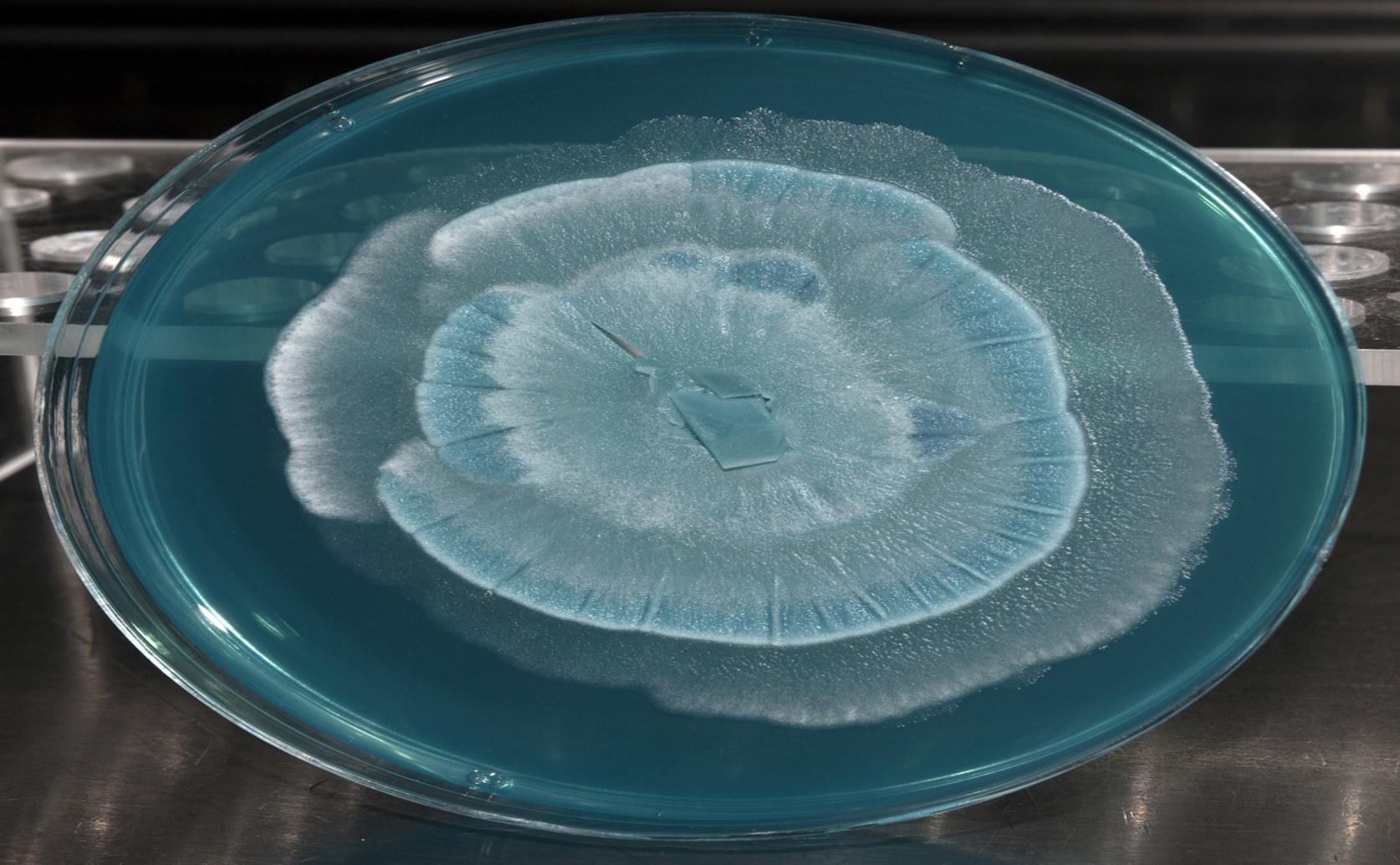
Mortierella

Photo adapted from: Alan Rockefeller / CC BY (Source)

Key Findings

  • Researchers in Thailand and Malaysia found that microbial oils from Aurantiochytrium limacinum and Mortierella sp. are sustainable alternatives to fish oil for feeding Pacific white shrimp
  • Diets rich in DHA boosted shrimp growth, while those with more ARA enhanced specific immune responses and reduced White Spot Syndrome Virus levels
  • The study showed that different DHA-ARA ratios can be strategically used to either promote shrimp growth or strengthen their immunity against viral diseases
The global aquaculture industry is growing rapidly, leading to an increasing demand for feed ingredients. Traditionally, fishmeal and fish oil have been essential components of aquaculture feeds, particularly as sources of crucial nutrients known as long-chain polyunsaturated fatty acids (LC-PUFAs). These fatty acids are vital for the growth, development, and immune health of farmed aquatic species, especially during their early life stages. However, the reliance on wild-caught fish to produce fishmeal and fish oil is unsustainable, contributing to overfishing and environmental concerns. This creates an urgent need to find alternative, sustainable sources of LC-PUFAs to support the continued expansion of aquaculture without further straining marine ecosystems. Addressing this challenge, a recent study conducted by researchers from NSTDA and Universiti Malaysia Kelantan[1] investigated the potential of two microbial sources—Aurantiochytrium limacinum BCC52274 (AL) and oil extracted from Mortierella sp. (ARASCO)—as sustainable alternatives for providing LC-PUFAs to Pacific white shrimp (Litopenaeus vannamei) post-larvae (PLs). These microorganisms produce what are known as single cell oils (SCOs)[2], which are already used commercially as dietary supplements, for example, in infant formulas, due to their rich content of essential fatty acids like arachidonic acid (ARA) and docosahexaenoic acid (DHA)[2]. Mortierella sp., specifically, is well-known for its ability to produce various polyunsaturated fatty acids, including DHA and ARA, and has been identified as a promising candidate for the economical commercial production of these omega-3 fatty acids[3]. The study’s approach involved using Artemia (brine shrimp), a common live feed in aquaculture, as a carrier to deliver the LC-PUFAs to the shrimp larvae. The Artemia were first enriched with different combinations of AL and ARASCO oils, creating five distinct dietary groups (A, B, C, D, E) with varying ratios of DHA to ARA, ranging from 100% DHA to 100% ARA. A control group (R) received unenriched Artemia. Young shrimp larvae (PL1) were then fed these enriched Artemia for 18 days. The findings revealed that the specific ratio of DHA and ARA in the diet had different impacts on shrimp growth and immunity. Shrimp larvae fed with Artemia enriched predominantly with DHA (Group A) showed the highest overall biomass and average body weight. This suggests that DHA is particularly beneficial for promoting growth in the early stages of shrimp development. Beyond growth, the study also examined the impact of these alternative LC-PUFA sources on the shrimp’s immune system. Previous research has already demonstrated that substituting fish-based ingredients with single-celled microorganism meals rich in DHA and ARA can lead to improved immune parameters in Pacific white shrimp[4]. Building on this, the current study found that diets with higher proportions of ARA were more beneficial for certain aspects of shrimp immunity. Specifically, the shrimp in Group D, which received a 25% DHA to 75% ARA ratio, exhibited the highest levels of prophenoloxidase II transcripts. Prophenoloxidase is a key enzyme in the shrimp's immune defense system, and higher transcript levels indicate a stronger potential immune response. Furthermore, increasing the amount of ARA in the Artemia enrichment led to higher levels of anti-inflammatory eicosanoids, such as 15-deoxy-Δ12,14-prostaglandin J2, 11-hydroxyeicosatetraenoic acid (11-HETE), and 12-HETE. Eicosanoids are signaling molecules derived from PUFAs that play crucial roles in regulating inflammation and immune responses in animals. Their production is part of the prostanoid pathway, a biochemical process known to exist in crustaceans like shrimp, where PUFAs are converted into these bioactive mediators that influence immune and reproductive functions[5]. The presence of these anti-inflammatory eicosanoids suggests that ARA contributes to modulating the shrimp's immune system to better manage inflammatory responses. To assess the practical implications for disease resistance, the shrimp larvae were challenged with two significant pathogens: White Spot Syndrome Virus (WSSV) and Vibrio harveyi. The results showed that shrimp fed with LC-PUFA-supplemented diets (Groups A, C, D, and E) had significantly lower WSSV copy numbers compared to the control group (R) after infection. This indicates that dietary supplementation with LC-PUFAs from AL and ARASCO strengthened the shrimp's immunity against this devastating viral infection. However, when challenged with Vibrio harveyi, a common bacterial pathogen, there was no significant difference in the survival rates among any of the feed groups. This contrasts with earlier findings where thraustochytrid-derived meals did show increased survival rates against Vibrio harveyi in shrimp[4], suggesting that the specific formulation or life stage might influence the outcome of bacterial challenges. Overall, the findings of the study by NSTDA and Universiti Malaysia Kelantan indicate that Aurantiochytrium limacinum and oil from Mortierella sp. are viable and sustainable alternative sources of essential fatty acids for Pacific white shrimp aquaculture. These microbial oils can be strategically used to enhance both the growth and immune capabilities of shrimp larvae, offering a promising step towards reducing the aquaculture industry's reliance on finite fish resources.

AgricultureNutritionMarine Biology

References

Main Study

1) Effects of microbial-derived long-chain polyunsaturated fatty acids from Aurantiochytrium limacinum BCC52274 and Mortierella sp. on growth and immunity in Litopenaeus vannamei post-larvae

Published 31st July, 2025

https://doi.org/10.1371/journal.pone.0329358


Related Studies

2) Fatty acid biosynthesis in microorganisms being used for Single Cell Oil production.

Journal: Biochimie, Issue: Vol 86, Issue 11, Nov 2004


3) Production and enhancement of omega-3 fatty acid from Mortierella alpina CFR-GV15: its food and therapeutic application.

https://doi.org/10.1155/2014/657414


4) Growth, nonspecific immune characteristics, and survival upon challenge with Vibrio harveyi in Pacific white shrimp (Litopenaeus vannamei) raised on diets containing algal meal.

https://doi.org/10.1016/j.fsi.2010.04.009


5) Insights into the prostanoid pathway in the ovary development of the penaeid shrimp Penaeus monodon.

https://doi.org/10.1371/journal.pone.0076934


Related Articles

An unhandled error has occurred. Reload 🗙