
Balancing Food For Salty Water Growing
Jim Crocker
19th June, 2025


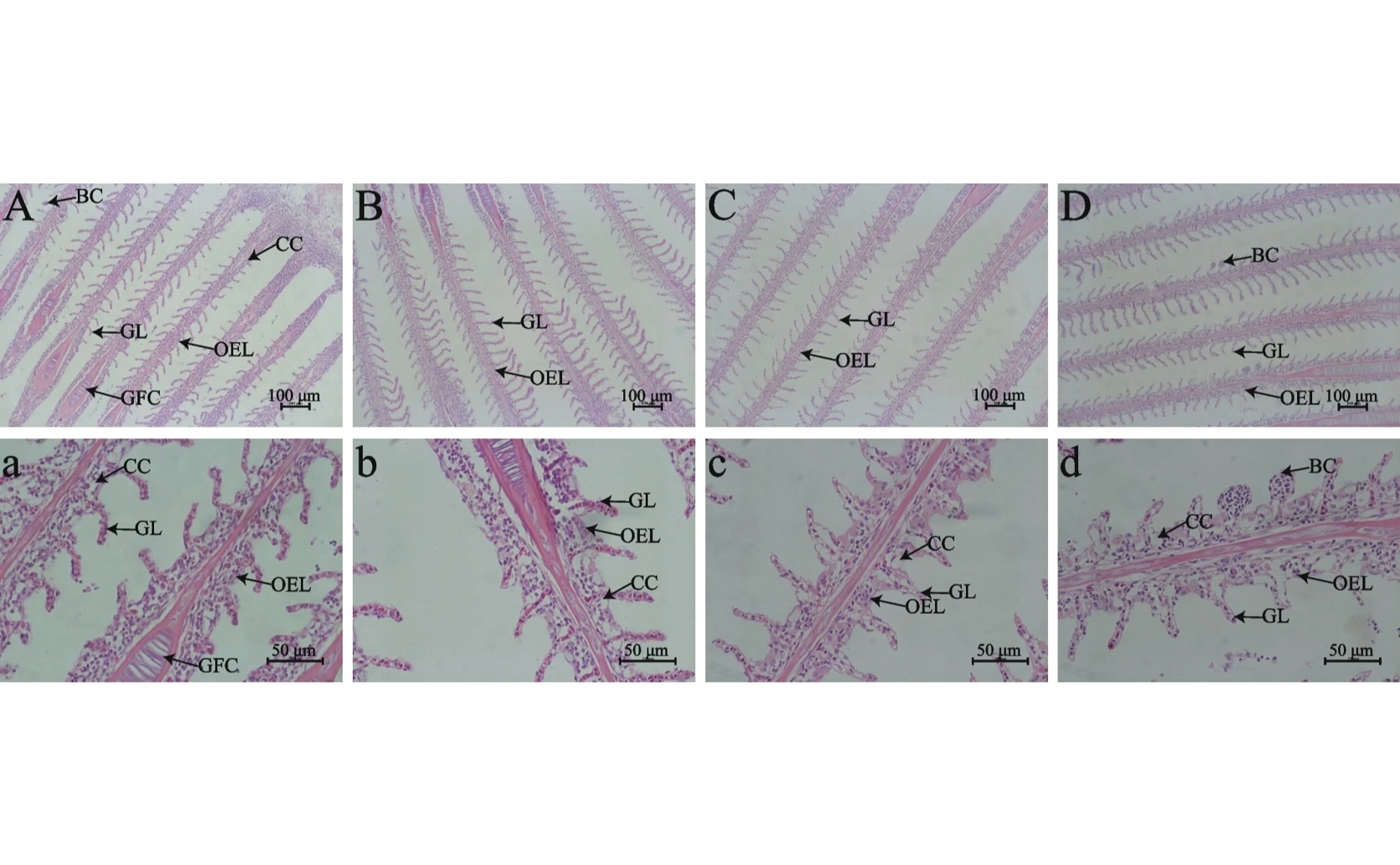
Compared to freshwater controls (A, a, B, b), saline-alkaline stress induced significant gill damage in Nile tilapia (Oreochromis niloticus), an effect that was visibly exacerbated in fish fed a high-protein diet, which showed severe red blood cell aggregation (D, d).
Key Findings
- Research from East China Normal University shows that harsh saline-alkaline waters severely stress Nile tilapia, damaging organs, increasing energy needs, and hindering growth
- Feeding tilapia a diet with 27% protein and 35% carbohydrates significantly improved their growth and reduced stress in these challenging conditions
- This optimal diet boosted beneficial gut bacteria and energy use, helping fish cope with stress and excrete ammonia more effectively
AgricultureNutritionAnimal Science
References
Main Study
1) Nutritional strategies for Nile tilapia: protein and carbohydrate balances in saline-alkaline aquaculture
Published 17th June, 2025
https://doi.org/10.1186/s40104-025-01215-8
Related Studies
2) Physiological mechanisms used by fish to cope with salinity stress.
3) Metabolism responses in the intestine of Oreochromis mossambicus exposed to salinity, alkalinity and salt-alkalinity stress using LC-MS/MS-based metabolomics.
4) Transcriptomic profiles of Japanese medaka (Oryzias latipes) in response to alkalinity stress.
5) Comparative transcriptome analysis of Nile tilapia (Oreochromis niloticus) in response to alkalinity stress.
Related Articles
 13th July, 2024 | Jenn Hoskins