Sweet Potato Leaves in Chicken Feed: Impact on Growth, Cost, Health, and Meat

Jenn Hoskins
11th February, 2025

Sweet Potato Leaves in Chicken Feed: Impact on Growth, Cost, Health, and Meat
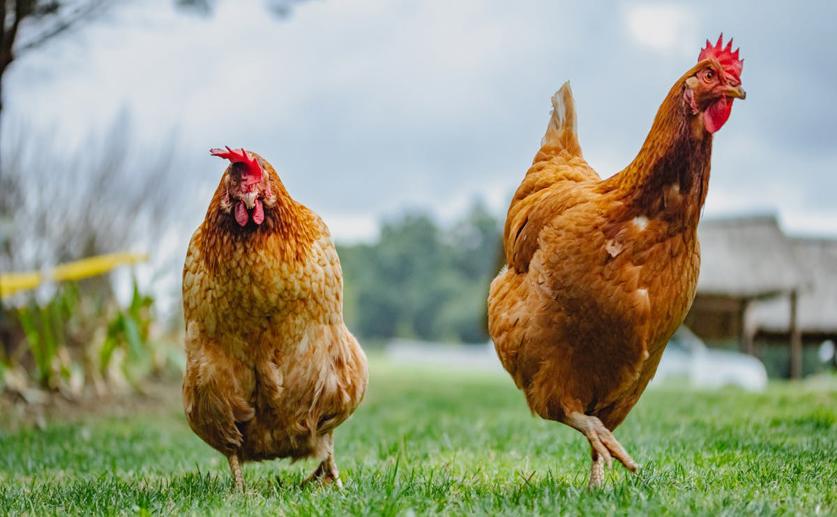
Image Source: Ryan Lansdown (photographer)

Key Findings

  • Researchers in Nigeria found that replacing corn with sweet potato leaf meal (SPLM) in chicken feed can reduce production costs
  • Chickens fed with SPLM, especially at a 7.5% level, showed better growth and higher quality meat
  • SPLM improved the chickens' health by boosting their antioxidant levels without causing any internal organ damage
The rising cost and unpredictability of corn production have prompted researchers to explore alternative feed sources for poultry. Corn is a primary ingredient in poultry diets, but its increased use in ethanol production has driven up prices, affecting both feed costs and chicken product prices[2]. In response, a recent study conducted by Dennis Osadebay University in Nigeria investigated the use of sweet potato leaf meal (SPLM) as a substitute for corn in broiler chicken diets[1]. The study involved a feed trial with 720-day-old Cobb-500 broilers, divided into five treatment groups. The control group received a diet with 0% SPLM, while the other groups received diets containing 3.75%, 7.5%, 11.25%, and 15% SPLM. Over the course of the experiment, various performance metrics, blood indices, carcass characteristics, and histopathological changes were monitored and analyzed. One of the key findings was that the inclusion of SPLM significantly affected the birds' weight gain, feed conversion ratio (FCR), and overall production costs. Specifically, the group receiving 7.5% SPLM (Treatment 3) exhibited superior carcass values compared to the other groups, indicating better growth performance and meat quality. Additionally, higher inclusion levels of SPLM, up to 15%, were associated with lower production costs and reduced serum cholesterol levels in the chickens. These results align with previous research exploring alternative feed sources, such as sweet potato root meal, which also showed promising outcomes in terms of performance and meat nutrient content[2]. Beyond growth performance, the study examined the antioxidant status of the broilers, a critical factor in managing oxidative stress—a condition where reactive species exceed the antioxidant capacity of cells, leading to potential cellular damage[3]. The findings revealed that SPLM supplementation enhanced the activity of superoxide dismutase (SOD), an important antioxidant enzyme, while it decreased the levels of glutathione peroxidase (GSH-Px) at higher SPLM levels. These changes suggest that SPLM can help mitigate oxidative stress in poultry, supporting overall health and productivity. This is particularly relevant in the context of earlier studies that have highlighted the role of natural phytochemicals in enhancing antioxidant defenses in broilers under stress conditions[3][4]. Histopathological analysis showed no tissue damage in key organs such as the heart and liver, even at the highest SPLM inclusion level of 15%. This indicates that SPLM is a safe feed ingredient that does not adversely affect the internal health of the chickens. Maintaining organ health is crucial for optimal growth and meat quality, and this study's results are consistent with findings from other research where dietary supplements like alpha-lipoic acid and squalene improved antioxidant status without causing tissue damage[4][5]. The cost-effectiveness of SPLM as a feed ingredient is another significant advantage highlighted by the study. With higher levels of SPLM leading to lower production costs, poultry farmers can potentially achieve better economic outcomes without compromising on the quality of their products. This economic benefit is supported by the improved feed conversion ratio observed in the SPLM-treated groups, meaning that chickens were able to convert feed into body weight more efficiently compared to the control group[2]. Blood analysis provided further insights into the health status of the broilers. Birds fed with SPLM showed significant improvements in various blood indices, including white blood cell count (WBC), mean corpuscular hemoglobin (MCH), mean corpuscular volume (MCV), glucose, and total cholesterol levels. These indicators suggest better overall health and metabolic efficiency in chickens consuming SPLM, which is crucial for maintaining robust growth and immune function. Incorporating SPLM into broiler diets also had positive effects on carcass characteristics. Live weight, plucked weight, eviscerated carcass weight, and dressed carcass weight were all significantly improved in the SPLM groups, particularly at the 7.5% inclusion level. Improved carcass yield is a desirable outcome for poultry producers, as it directly translates to higher marketable meat and better profitability. Overall, the study from Dennis Osadebay University demonstrates that sweet potato leaf meal is a viable and beneficial alternative to corn in broiler diets. By enhancing growth performance, reducing production costs, and improving antioxidant status, SPLM offers a multifaceted solution to the challenges posed by fluctuating corn prices and the need for sustainable poultry production practices. These findings build on previous research that underscores the importance of alternative feed ingredients and antioxidant strategies in optimizing poultry health and productivity[2][3][4][5].

AgricultureNutritionAnimal Science

References

Main Study

1) Antioxidant and antinutritional potentials of sweet potato (Ipomoea batatas) leaf meal on the growth performance, economics of production, blood indices, carcass characteristics and histopathology of broiler chickens.

Published 10th February, 2025

https://doi.org/10.1007/s11250-025-04299-6


Related Studies

2) Inclusion levels of sweet potato root meal in the diet of broilers I. Effect on performance, organ weights, and carcass quality.

https://doi.org/10.3382/ps/pev090


3) Association between heat stress and oxidative stress in poultry; mitochondrial dysfunction and dietary interventions with phytochemicals.

https://doi.org/10.1186/s40104-016-0097-5


4) Effects of graded levels of dietary squalene supplementation on the growth performance, plasma biochemical parameters, antioxidant capacity, and meat quality in broiler chickens.

https://doi.org/10.1016/j.psj.2020.08.042


5) Effect of stocking density and alpha-lipoic acid on the growth performance, physiological and oxidative stress and immune response of broilers.

https://doi.org/10.5713/ajas.18.0939


Related Articles

An unhandled error has occurred. Reload 🗙