Mineral Deficiency in Dairy Cows and Nutrient Content in Feed and Supplements

Jenn Hoskins
13th July, 2024

Mineral Deficiency in Dairy Cows and Nutrient Content in Feed and Supplements
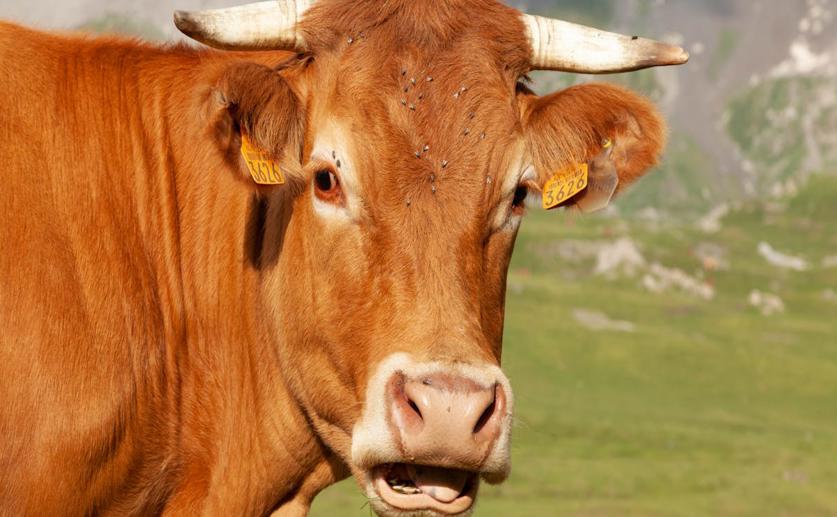
Image Source: PHILIPPE SERRAND (photographer)

Key Findings

  • The study in Northern and Northwestern Sri Lanka found all cross-bred dairy cows were deficient in iodine and cobalt
  • Hair samples were not reliable indicators of the cows' mineral status, unlike milk and blood samples
  • Local forages generally met dietary requirements, with Sarana grass offering the best nutritional profile
The study conducted by the University of Surrey aimed to assess the elemental status of cross-bred dairy cows in smallholder farms in Northern and Northwestern Sri Lanka, establishing an elemental baseline and identifying potential deficiencies[1]. Researchers collected 458 samples of milk, hair, serum, and whole blood from 120 cows across four regions: Vavuniya, Mannar, Jaffna, and Kurunegala. Additionally, 257 feed samples, including local fodder and 79 supplement materials, were analyzed. The concentrations of 17 elements, including essential and toxic ones, were determined using inductively coupled plasma mass spectrometry (ICP-MS). The study revealed that all cows were deficient in iodine (I) and cobalt (Co), with serum levels ranging from 18.6 to 78.5 µg L−1 for I and 0.06 to 0.65 µg L−1 for Co, compared to the deficiency upper boundary levels of 50 µg L−1 for I and 0.70 µg L−1 for Co. This deficiency is concerning as these elements play crucial roles in metabolic processes and overall health. Poor correlations were found between the compositions of milk or blood with hair, suggesting that hair is not a reliable indicator of mineral status. The findings align with earlier studies that highlighted the importance of trace elements in cattle health. For instance, a previous study assessed selenium (Se) levels in cattle from five districts in Sri Lanka, using glutathione peroxidase (GSH-Px) activity as an indicator[2]. It found significant regional variations in Se levels, with some areas showing insufficient levels in a considerable number of cattle. This variability was attributed to differences in nutrient supply, age, species of cattle, and lactation stage. Similarly, the current study identified regional differences in elemental composition, particularly in the concentrations of non-essential or toxic elements like cadmium (Cd) and lead (Pb) in nutritional supplements. Another relevant study focused on the trace elements in cow milk from different agro-climatic regions of Sri Lanka, highlighting the dependency of milk's elemental content on feed[3]. It found that while arsenic (As) levels in milk were below permissible limits, 15% of samples had Pb levels exceeding safe limits. The current study's findings are consistent with these results, as the principal component analysis (PCA) showed that nutritional supplements had higher concentrations of non-essential or toxic elements, such as Cd and Pb. The study by the University of Surrey also used PCA to assess differences in the elemental composition of diverse feed types and regional variability. This analysis revealed clear distinctions between forage, concentrates, and nutritional supplements, with Sarana grass offering the greatest nutritional profile among local fodders. This finding is critical as it provides farmers with actionable insights into which local fodders are most beneficial for their cattle. In conclusion, the study underscores the importance of monitoring and managing the elemental intake of dairy cows to ensure their health and productivity. The identification of I and Co deficiencies across all regions studied highlights a significant area for intervention. Additionally, the variability in elemental composition between different feed types and regions suggests that a tailored approach to supplementation could be beneficial. These findings build on earlier research, reinforcing the need for ongoing monitoring and targeted nutritional strategies to address deficiencies and mitigate the intake of toxic elements.

AgricultureNutritionAnimal Science

References

Main Study

1) Assessment of Elemental Deficiency of Crossbred Dairy Cows and Mineral Composition in Natural Feed and Nutritional Supplements in the Northern and Northwestern Provinces in Sri Lanka

Published 12th July, 2024

https://doi.org/10.1007/s12011-024-04299-x


Related Studies

2) Bioavailability of selenium (Se) in cattle population in Sri Lanka based on qualitative determination of glutathione peroxidase (GSH-Px) activities.

https://doi.org/10.1007/s10653-019-00395-3


3) Comprehensive Assessment of Essential and Potentially Toxic Trace Elements in Bovine Milk and Their Feeds in Different Agro-climatic Zones of Sri Lanka.

https://doi.org/10.1007/s12011-020-02242-4


Related Articles

An unhandled error has occurred. Reload 🗙