First Link Helps Genes Turn On Fast

Jenn Hoskins
17th June, 2025

First Link Helps Genes Turn On Fast

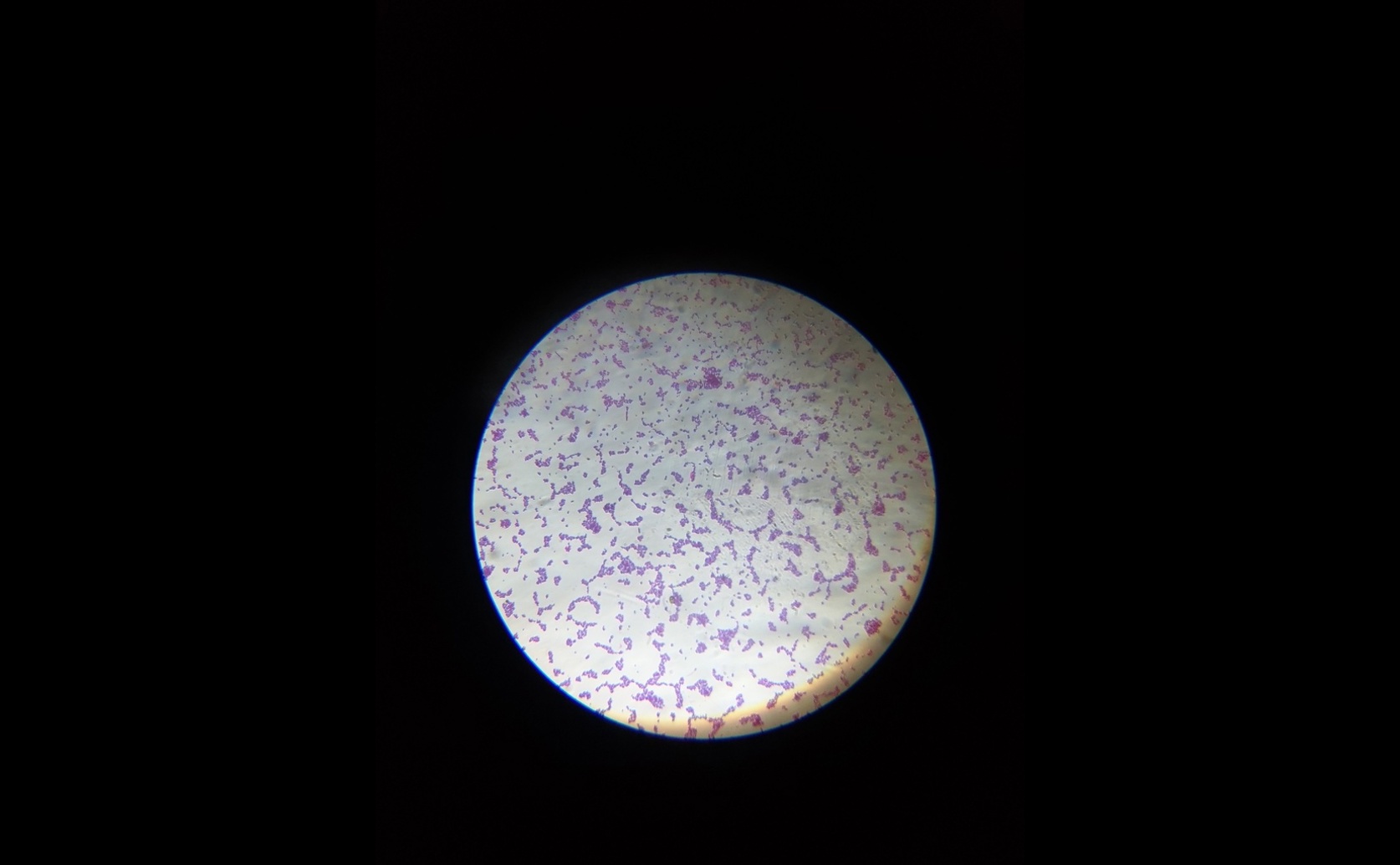
Baker's yeast (Saccharomyces cerevisiae)

Photo adapted from: Mitul and Vijul Singh / CC BY (Source)

Key Findings

  • Scientists studying yeast mating found that a protein called Ste12 controls when and how much genes are turned on by binding to specific DNA regions called promoters
  • The amount and speed of gene activation depend on how strongly Ste12 binds to DNA, the arrangement and distance of its binding sites, and if these sites are easily accessible on the DNA
  • DNA packaging around nucleosomes affects gene activation speed, as open DNA regions allow faster Ste12 binding, which then signals through a "Mediator" complex to turn genes on
Cells are constantly receiving signals from their environment, and their ability to respond appropriately is fundamental to life. This involves intricate control over which genes are active, when, and to what extent. This process, known as gene expression, dictates the production of specific proteins that carry out cellular functions. A key challenge in biology is understanding how cells achieve such precise control over gene expression, ensuring that hundreds of genes are switched on or off at the right time and level in response to a signal. Errors in this regulation can lead to serious conditions, including developmental diseases and cancer. Recent research, conducted by scientists from institutions including Lausanne, Pompeu Fabra, Buenos Aires, and IRB Barcelona[1], has shed light on this complex process by studying the mating pathway in yeast (Saccharomyces cerevisiae). This pathway is controlled by a signaling cascade called the Mitogen-Activated Protein Kinase (MAPK) pathway. This pathway acts like a chain of command, relaying external signals from the cell surface to the cell's nucleus, where genes are stored. In the yeast mating pathway, a crucial protein called Ste12 acts as a transcription factor. Transcription factors are proteins that bind to specific DNA sequences near genes, thereby controlling the process of transcription – the first step in gene expression where genetic information from DNA is copied into RNA. Ste12 is responsible for orchestrating the exact timing of gene activation necessary for two yeast cells to fuse. The problem this study aimed to solve was to decipher the underlying rules that dictate how Ste12 precisely controls gene induction. Natural genes have complex regulatory regions, making it difficult to isolate the effects of individual components. To overcome this, the researchers engineered synthetic, simplified versions of these gene control regions, called promoters. A promoter is a specific DNA sequence located near a gene that acts as a start signal for transcription. By designing these artificial promoters, they could systematically vary elements and observe their impact on gene expression. The study revealed several key findings about how Ste12 exerts its control. They identified specific arrangements of Ste12 binding sites, known as PRE dimers, that are particularly effective at promoting gene expression. These PREs are the specific DNA sequences that Ste12 recognizes and binds to. The researchers found that the strength with which Ste12 binds to these PRE sites directly influences the level of gene activation. Stronger binding generally leads to higher levels of gene product. Furthermore, the distance of these binding sites from the core promoter, the very beginning of the gene where the transcription machinery assembles, also played a role in modulating the level of gene induction. Beyond the level of expression, the speed of gene activation is also critical. The study found that rapid activation is achieved by favoring a pre-existing, or "basal," association of Ste12 with its binding sites. This is facilitated by placing strong PRE dimers in regions of the DNA that are naturally more accessible. DNA in our cells is tightly packaged around proteins called histones, forming structures called nucleosomes. Regions of DNA that are "nucleosome depleted" are less tightly wrapped, making them more open and accessible for transcription factors like Ste12 to bind quickly. This pre-positioned Ste12 allows for a faster response when the cell receives a signal. These findings provide a deeper understanding of how transcription activators, like Ste12, communicate with the cellular machinery responsible for gene expression. This communication is not a direct interaction between the activator and the enzyme that copies DNA into RNA, RNA polymerase II. Instead, it involves a crucial intermediary known as the Mediator complex[2]. The Mediator is a large, multi-component protein complex found in all eukaryotes, which are organisms whose cells have a nucleus. Its primary role is to act as a bridge, relaying signals from transcription activators (like Ste12, which binds to specific DNA regions) to the RNA polymerase II and other components that form the preinitiation complex (PIC). The PIC is the complete set of proteins that assembles at the promoter to initiate transcription. The detailed mechanisms uncovered in the recent study regarding Ste12's binding strength, the arrangement of its binding sites, and their proximity to the core promoter, directly influence the signals that the Mediator complex[2] then transduces. For instance, the identified optimal configurations of PRE dimers and their placement in nucleosome-depleted regions would allow Ste12 to efficiently recruit or interact with the Mediator complex. This interaction is crucial for the Mediator to then assist in the assembly of the PIC, thereby controlling the initiation of transcription. Earlier studies using structural biology and functional genomics have already provided insights into how Mediator is recruited to gene regulatory regions and how it interacts with PIC components[2]. The new research provides specific examples of how an activator's precise positioning and binding characteristics contribute to the efficiency of this signal transduction. The importance of the Mediator complex[2] extends beyond basic gene regulation. Its subunits have been clearly linked to various diseases, including developmental disorders and cancer, as well as fungal infections. Understanding the precise mechanisms by which transcription activators like Ste12 interact with DNA and subsequently influence the Mediator complex, as detailed in the new study, can offer valuable insights. This knowledge could potentially inform strategies for targeting the Mediator complex as a therapeutic approach, by understanding how its function is modulated by specific activators and their DNA binding characteristics. By detailing the "rules" of gene induction for a specific activator, this research contributes to the broader understanding of how cells achieve precise and timely control over their genetic programs, a process fundamental to health and disease.

GeneticsBiochem

References

Main Study

1) Basal association of a transcription factor favors early gene expression

Published 16th June, 2025

https://doi.org/10.1371/journal.pgen.1011710


Related Studies

2) Transcription regulation by the Mediator complex.

https://doi.org/10.1038/nrm.2017.115


Related Articles

An unhandled error has occurred. Reload 🗙