DNA Methylation Controls Gene Stability After DNA Doubling in Bok Choy

Jim Crocker
8th April, 2025

DNA Methylation Controls Gene Stability After DNA Doubling in Bok Choy

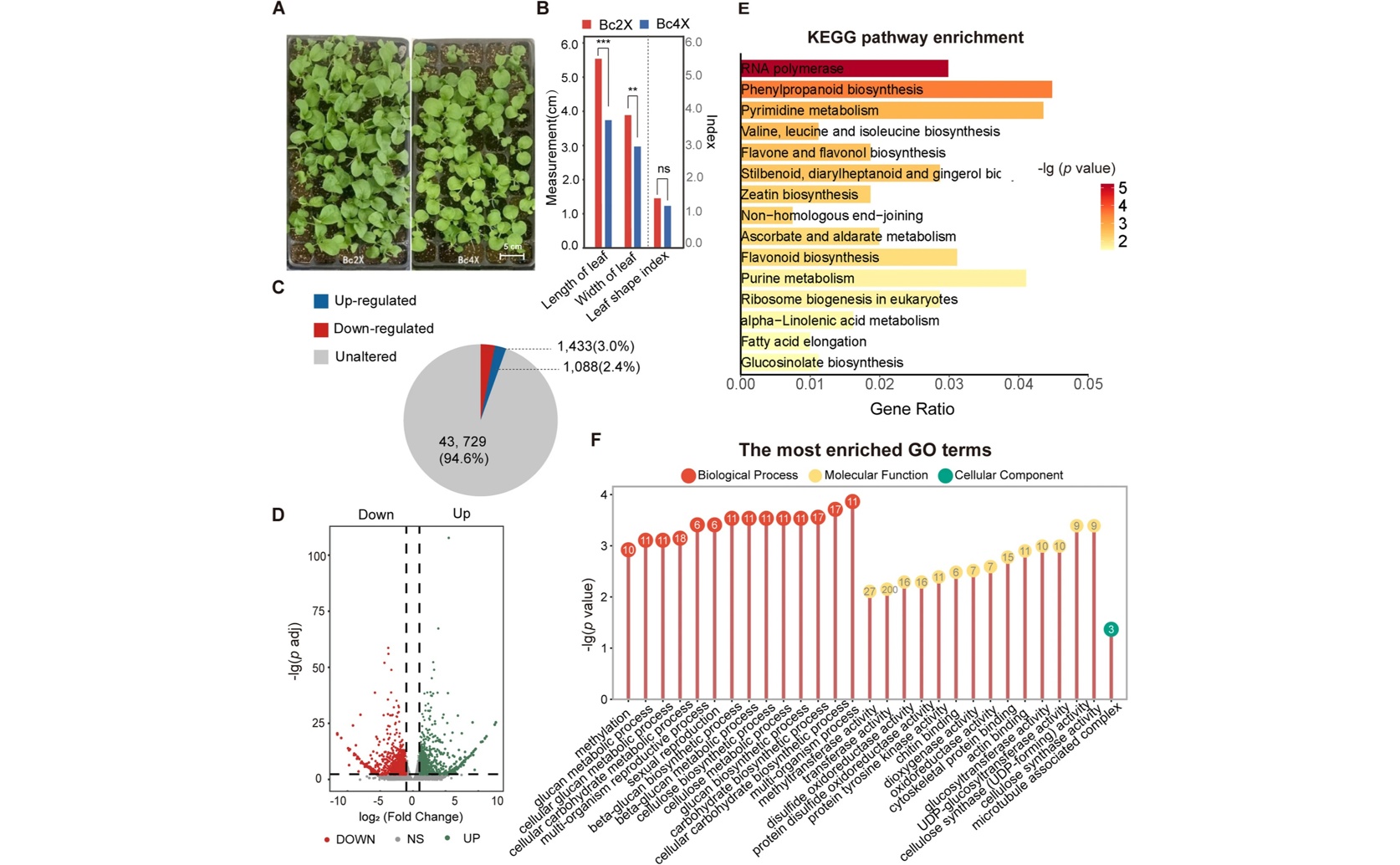
Genome duplication in pak choi (Brassica rapa ssp. chinensis) alters leaf morphology (a, b) but induces relatively few gene expression changes, which are biased toward downregulation (c, d) and are functionally enriched in methylation-related processes (f), indicating a mechanism for maintaining transcriptional homeostasis.

Image adapted from: Ma et al. / CC BY (Source)

Key Findings

  • Researchers at Shanghai Jiao Tong University found that pak choi plants with doubled genomes have fewer active genes compared to regular plants
  • These polyploid plants increase a natural gene-silencing process to stabilize their extra genetic material after duplication
  • This adjustment helps the doubled-genome pak choi grow better and maintain stability despite having additional chromosomes
Polyploidy, the condition of having more than two complete sets of chromosomes, is a common occurrence in plants and plays a significant role in their evolution and improvement through breeding. However, the process of doubling the genome presents challenges, including changes in gene expression and cellular structure. Understanding how polyploid plants adapt and thrive despite these challenges is crucial for both evolutionary biology and agricultural applications. A recent study conducted by researchers at Shanghai Jiao Tong University[1] investigates how polyploidy affects gene expression and DNA methylation in pak choi, a type of cruciferous vegetable. By comparing 21-day-old diploid (two sets of chromosomes) and autotetraploid (four sets of chromosomes) pak choi seedlings, the study sheds light on the molecular mechanisms that enable polyploid plants to manage the "genome shock" caused by genome doubling. The researchers found that there are relatively few differentially expressed genes (DEGs) between diploid and autotetraploid pak choi. Interestingly, a larger proportion of these DEGs were downregulated in the polyploids. This suggests that genome duplication may lead to a reduction in the activity of certain genes. To understand the underlying causes of these changes in gene expression, the study examined genome-wide DNA methylation patterns. DNA methylation is an epigenetic modification that typically represses gene activity. The analysis revealed a significant increase in DNA methylation in the autotetraploid pak choi, particularly in transposable elements (TEs) and the regions surrounding genes. Transposable elements are sequences of DNA that can move around to different positions within the genome, and their regulation is crucial for maintaining genome stability. The increase in methylation in these regions indicates that polyploid plants may enhance the suppression of TEs to maintain genomic integrity after duplication. Further investigation showed that there are 12,857 genes with increased methylation (hypermethylated) and 8,451 genes with decreased methylation (hypomethylated) in autotetraploid pak choi compared to their diploid counterparts. The study found a negative correlation between DEG expression and differential methylation, meaning that genes with increased methylation were generally less active, and those with decreased methylation were more active. Notably, the methylation of TEs increased more significantly around genes that did not show differential expression, suggesting a protective mechanism to prevent unwanted gene activation. This study builds on earlier research that highlights the importance of whole-genome duplications (WGDs) in plant evolution[2]. Ancient WGDs have been linked to the diversification of regulatory genes, which are essential for the development of seeds and flowers, ultimately contributing to the success of seed plants and angiosperms. Additionally, polyploidization has been shown to affect various aspects of plant physiology and composition[3], such as increasing biomass yield and altering cell wall components, which can enhance the suitability of crops for biomass production. Moreover, research suggests that polyploid plants may have greater adaptability and resilience, helping them survive mass extinction events by providing a larger pool of genes for selection and adaptation[4]. The findings from Shanghai Jiao Tong University add to this body of knowledge by demonstrating how increased DNA methylation in polyploids helps regulate gene expression and stabilize the genome following duplication. This regulatory adjustment is crucial for polyploids to cope with the immediate challenges of genome doubling and to facilitate long-term evolutionary success. The methods used in this study involved comprehensive transcriptome and DNA methylation analyses. By sequencing and comparing the expressed genes and methylation patterns between diploid and autotetraploid seedlings, the researchers were able to identify specific changes associated with polyploidy. This approach provides a detailed view of the molecular adjustments that underpin the ability of polyploid plants to thrive despite the complexities introduced by having additional genome copies. Understanding these mechanisms is not only important for evolutionary biology but also has practical implications for agriculture. Polyploid crops often exhibit desirable traits such as larger size, increased yield, and greater stress tolerance. By elucidating the role of DNA methylation in managing genome duplication, this research can inform breeding strategies aimed at developing improved crop varieties. For instance, manipulating methylation patterns could potentially enhance desirable traits or mitigate negative effects associated with polyploidy. In summary, the study by Shanghai Jiao Tong University provides valuable insights into how polyploid plants like pak choi regulate gene expression and maintain genome stability through increased DNA methylation. These findings contribute to our understanding of plant evolution and offer practical avenues for crop improvement, highlighting the intricate balance polyploids achieve to harness the benefits of genome duplication while overcoming its challenges.

GeneticsBiochemPlant Science

References

Main Study

1) Regulation of transcriptional homeostasis by DNA methylation upon genome duplication in pak choi

Published 5th April, 2025

https://doi.org/10.1186/s43897-025-00145-3


Related Studies

2) Ancestral polyploidy in seed plants and angiosperms.

https://doi.org/10.1038/nature09916


3) Polyploidy Affects Plant Growth and Alters Cell Wall Composition.

https://doi.org/10.1104/pp.18.00967


4) Plants with double genomes might have had a better chance to survive the Cretaceous-Tertiary extinction event.

https://doi.org/10.1073/pnas.0900906106


Related Articles

An unhandled error has occurred. Reload 🗙