Boosting Ice and Snow Tourism Competitiveness: Insights from Big Data Analysis

Greg Howard
22nd March, 2025

Boosting Ice and Snow Tourism Competitiveness: Insights from Big Data Analysis

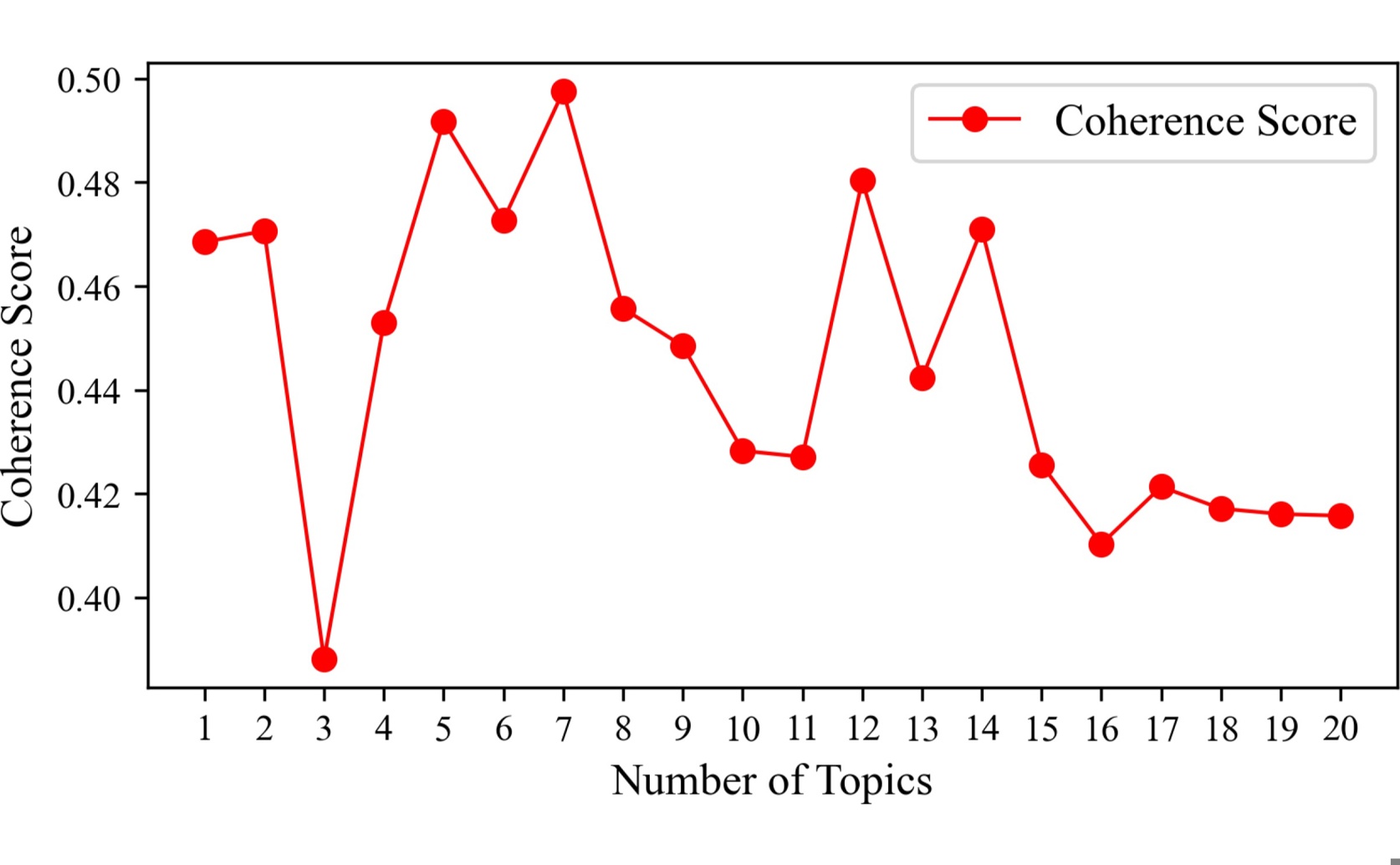
The LDA topic model achieved optimal coherence at seven topics, identifying tourist activities, environment, resources, history and culture, cost-performance, service, and experience as the key thematic dimensions underlying Harbin ice and snow tourism destination competitiveness.

Image adapted from: Jiang et al. / CC BY (Source)

Key Findings

  • Researchers in China analyzed over 48,000 tourist reviews from Harbin to understand what makes its ice and snow tourism popular
  • They found that a wide variety of fun activities attracts visitors, but improvements are needed in resources and the environment
  • Overall, tourists feel positively about Harbin’s winter attractions, but enhancing resources and environmental care can boost its appeal even more
The ice and snow tourism industry in China has been experiencing rapid growth alongside fierce competition. Understanding what drives the competitiveness of these destinations is crucial for maintaining a leading position in the market. A recent study conducted by researchers at Shihezi University[1] delves into the factors that influence the competitiveness of ice and snow tourism destinations, focusing on Harbin, one of China's premier winter attractions. The study addresses the challenge of identifying the key elements that make a tourism destination attractive to visitors. By analyzing a substantial amount of data—48,420 tourist reviews from ten well-known ice and snow tourist spots in Harbin—the researchers aimed to uncover the main drivers of competitiveness from the tourists' perspective. This approach differs from traditional methods that often focus solely on supply-side factors such as infrastructure and marketing. To achieve this, the researchers employed several analytical techniques. They used Term Frequency-Inverse Document Frequency (TF-IDF) to extract significant text features from the reviews, which helps in identifying the most frequently mentioned terms while reducing the weight of common words. Following this, the Latent Dirichlet Allocation (LDA) topic model was applied to categorize the reviews into key themes. This method allows for the discovery of underlying topics within large sets of text data. Additionally, sentiment analysis was conducted using SnowNLP to gauge the emotional tone of the reviews, providing insights into tourists' overall satisfaction and feelings towards their experiences. The Importance-Performance Analysis (IPA) model was then utilized to assess the strengths and weaknesses of Harbin's ice and snow tourism competitiveness. This model helps in identifying which factors are performing well and which need improvement based on their importance to tourists. The findings of the study revealed seven main themes that drive competitiveness: tourist activities, environment, resources, historical and cultural aspects, cost-performance, service, and overall experience. Among these, tourist activities were highlighted as a significant advantage, indicating that the variety and quality of activities available play a crucial role in attracting visitors. On the other hand, resources and the environment were identified as areas needing enhancement to boost competitiveness further. Tourists generally expressed positive emotions and high levels of approval for Harbin's ice and snow attractions. The competitiveness score for Harbin was calculated at 0.64, reflecting a strong position in the market. However, the study also emphasized the need for continuous improvement in areas related to resources and environmental management to sustain and enhance this competitiveness. This research builds upon earlier studies that have explored various aspects of tourism competitiveness. For instance, a study analyzing the image perceptions of ice and snow tourism destinations in China found that the overall image is positive, although the 2022 Winter Olympics did not significantly impact these perceptions[2]. This aligns with the current study's finding that while tourist activities are a strength, other areas like resources and environment require more attention to maintain a positive image. Another relevant study focused on the broader evaluation of tourism competitiveness in Xinjiang, highlighting the importance of factors such as socio-economic conditions, tourism resources, infrastructure, and cultural influence[3]. The current research complements these findings by specifically addressing how tourist sentiment and experience contribute to the competitiveness of ice and snow destinations, adding a nuanced layer to the understanding of what drives tourism success. Furthermore, a study on outbound travel experiences emphasized the importance of both motivational factors, such as cultural elements and emotional experiences, and hygiene factors like infrastructure and security[4]. Similarly, the Harbin study underscores that while motivational factors like tourist activities and experiences are crucial for attracting visitors, hygiene factors related to resources and the environment are essential for preventing dissatisfaction and ensuring repeat visits. By integrating sentiment analysis into the evaluation framework, the Harbin study offers a more comprehensive understanding of tourist preferences and experiences. This innovative approach allows policymakers and tourism managers to tailor their strategies more effectively, addressing both the strengths and areas needing improvement. For example, enhancing environmental sustainability and resource management can lead to better tourist experiences and higher competitiveness. The study also provides practical recommendations for enhancing the competitiveness of ice and snow tourism destinations. These include improving infrastructure, elevating service quality, and enriching cultural and historical offerings. By focusing on these areas, destinations like Harbin can not only attract more tourists but also ensure their experiences are positive and memorable, fostering long-term growth and success. In conclusion, the research by Shihezi University offers valuable insights into the multifaceted nature of tourism competitiveness. By leveraging large-scale data analysis and incorporating tourist sentiment, the study presents a robust framework for evaluating and enhancing the competitive edge of ice and snow tourism destinations. These findings are instrumental for policymakers, industry professionals, and destination managers aiming to achieve high-quality development and sustained growth in the competitive tourism landscape.

EnvironmentSustainability

References

Main Study

1) Enhancement of Harbin ice and snow tourism destination competitiveness: A large-scale data study based on sentiment analysis and Latent Dirichlet Allocation

Published 21st March, 2025

https://doi.org/10.1371/journal.pone.0319435


Related Studies

2) Image perception of ice and snow tourism in China and the impact of the Winter Olympics.

https://doi.org/10.1371/journal.pone.0287530


3) Evaluation of tourism competitiveness and mechanisms of spatial differentiation in Xinjiang, China.

https://doi.org/10.1371/journal.pone.0263229


4) Investigating tourism experiences and attention allocation of outbound tourists through the lens of the two-factor theory: A grounded theory analysis of Chinese tourists' travelogues in Malaysia.

https://doi.org/10.1016/j.heliyon.2023.e17896


Related Articles

An unhandled error has occurred. Reload 🗙